
Rome Metro: Knorr-Bremse’s Advanced Rail Tech
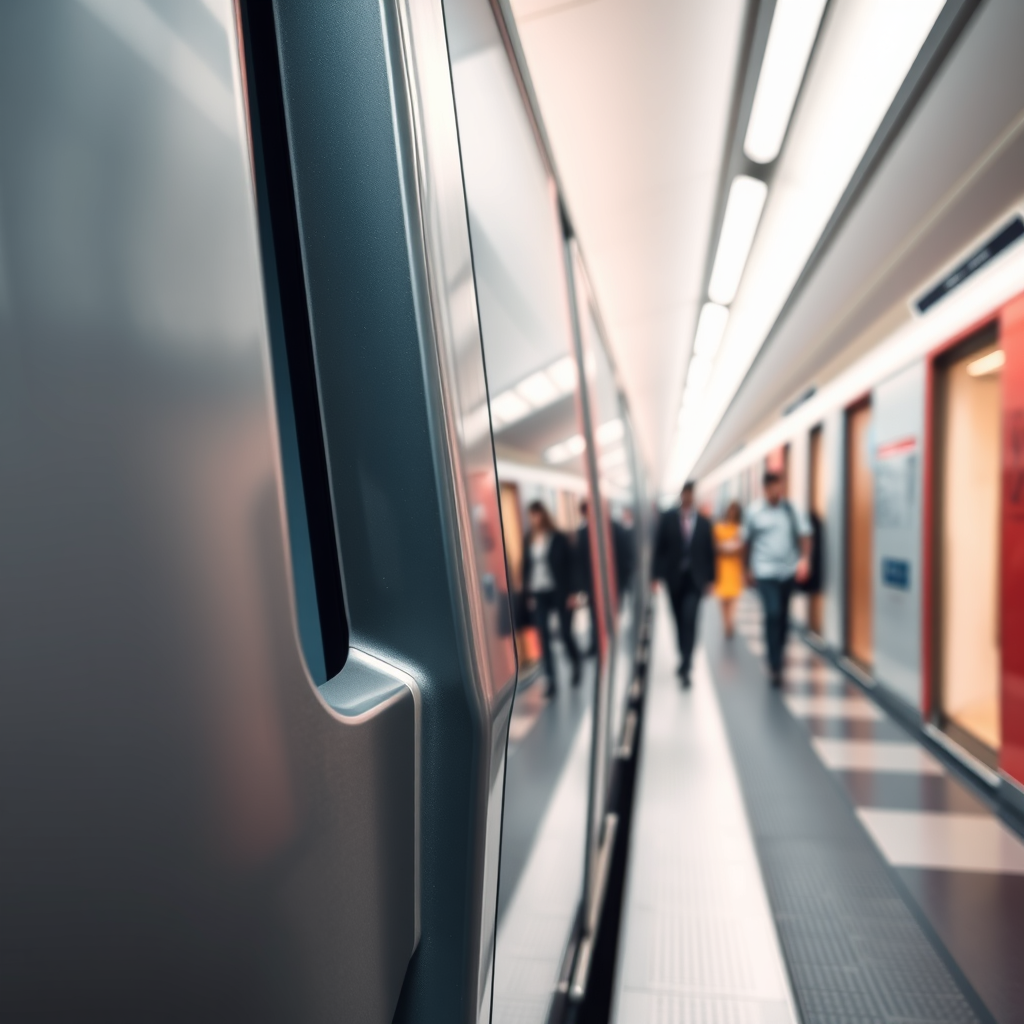
This article explores the significant collaboration between Knorr-Bremse, a leading supplier of braking and rail systems technology, and Hitachi Rail, in equipping a new fleet of metro trains for Rome. The partnership highlights the crucial role of advanced system integration in modernizing urban rail transit. The focus will be on the specific technologies provided by Knorr-Bremse, emphasizing their design features, benefits for operation, and the broader implications for the global rail industry. We will delve into the technological advancements showcased in this project, examining aspects such as pneumatic braking systems, innovative coupling mechanisms, and passenger entrance systems. Further, we will discuss the strategic significance of this contract for Knorr-Bremse’s expansion within the European and global rail markets, particularly in the realm of coupling system technologies. Finally, we will consider the broader implications for sustainable and efficient urban rail transport.
Advanced Braking Systems for Enhanced Safety and Efficiency
Knorr-Bremse’s contribution to the Rome metro project significantly emphasizes safety and efficiency through its advanced braking systems. The integration of pneumatic braking systems featuring FlexControl Modular brake control units ensures precise and reliable braking performance across diverse operating conditions. This modular design allows for customized configurations tailored to the specific needs of the Rome metro system, contributing to increased operational flexibility. The incorporation of WheelGrip technology further enhances braking efficiency and safety, especially in challenging conditions such as slippery rails or steep gradients. This technology optimizes wheel-rail interaction to minimize wheel slip and maximize braking power, resulting in reduced stopping distances and improved passenger safety.
Innovative Coupling Solutions for Seamless Train Operations
The project showcases Knorr-Bremse’s expertise in coupling systems. The Rome metro trains will be fitted with AutoLink automatic front couplers, facilitating efficient and automated coupling procedures. This automation streamlines shunting operations, reduces manual handling, and minimizes the potential for human error. The integration of ShortLink semi-permanent couplers, available in two variants, provides robustness and reliability, designed to withstand the rigorous demands of frequent operation within the metro environment. The modular design of these systems, developed at Knorr-Bremse’s facilities in Munich and Budapest, offers adaptability for future requirements and different passenger train configurations, positioning Knorr-Bremse as a key player in this evolving market segment.
Passenger Entrance Systems: Optimized for Efficiency and Durability
Knorr-Bremse’s involvement extends to passenger access with the provision of its IFE brand entrance systems. Designed for weight optimization and ease of maintenance, these systems contribute to reduced energy consumption and simplified upkeep, resulting in cost-effectiveness and enhanced operational efficiency. The use of RLE sliding plug doors specifically addresses the high-frequency opening and closing demands of metro services. These doors are engineered to withstand the demanding operational cycle, minimizing downtime and maximizing passenger flow. This focus on passenger interface emphasizes the holistic approach Knorr-Bremse adopts, ensuring a comfortable and efficient passenger experience.
Strategic Implications for Knorr-Bremse and the Rail Industry
The Rome metro project represents a significant win for Knorr-Bremse, strengthening its position in the global rail market, particularly within the European context. The contract, encompassing an initial order of 14 train sets with an option for 16 more, underscores the company’s growing reputation for delivering cutting-edge, reliable, and adaptable rail technologies. This success builds upon their established presence in Italy, including participation in Milan’s rail transit projects and reinforces their commitment to providing comprehensive system solutions for urban rail networks. The recent acquisition of Alstom’s North American signalling business further demonstrates Knorr-Bremse’s strategic expansion and ambition in the global rail technology arena. This project is a testament to the company’s ability to provide integrated systems, highlighting the increasing trend towards comprehensive solutions in the rail industry.
Conclusions
The collaboration between Knorr-Bremse and Hitachi Rail for the Rome metro project underscores the importance of integrated system solutions in modernizing urban rail transit. Knorr-Bremse’s contribution, encompassing advanced braking systems, innovative coupling mechanisms, and efficient passenger entrance systems, showcases its technological leadership and commitment to enhancing safety, efficiency, and sustainability in rail operations. The modular design of the systems, emphasizing adaptability and ease of maintenance, highlights a strategic approach to future-proofing rail infrastructure. The project’s success significantly boosts Knorr-Bremse’s standing in the global rail market, particularly in the rapidly evolving coupling systems sector, and exemplifies the increasing demand for comprehensive, integrated rail technology solutions. The Rome metro project serves as a compelling example of the ongoing evolution within the rail industry, emphasizing the synergy between innovative technology and the practical needs of modern urban transportation systems. The focus on safety, sustainability, and efficiency underscores the long-term vision for a more resilient and future-ready rail infrastructure. The modular designs employed by Knorr-Bremse represent a crucial element in facilitating upgrades and maintenance, promoting a more sustainable and efficient life cycle for the trains. This project not only benefits Rome’s commuters but also sets a precedent for other urban transit systems globally, highlighting the crucial role of collaborative innovation in the advancement of rail technology.
RELATED POSTS
April 7, 2025 1:18 am
This article examines the recent reopening of Pukekohe Station in...

May 2, 2018 11:42 pm
Upgrade the Paris-Lyon high-speed line with ERTMS Level 2. ...
June 2, 2025 4:00 pm
Stephanie Deiger steps in as the new Vice Chair of...
December 5, 2022 8:44 pm
This article explores the development and significance of the Urbos...

June 9, 2015 10:33 pm
RAIL.ONE Group intends to implement a new corporate organizational structure.
September 24, 2016 5:55 pm
"Network Rail's recent Oxford to London rail line blockade saw...