
RInfra’s Indian Rail Expansion: Project Insights
Reliance Infrastructure secures a major Indian railway EPC contract, building a vital 105km line. This project showcases their expertise in modernizing India’s railway network – discover how!
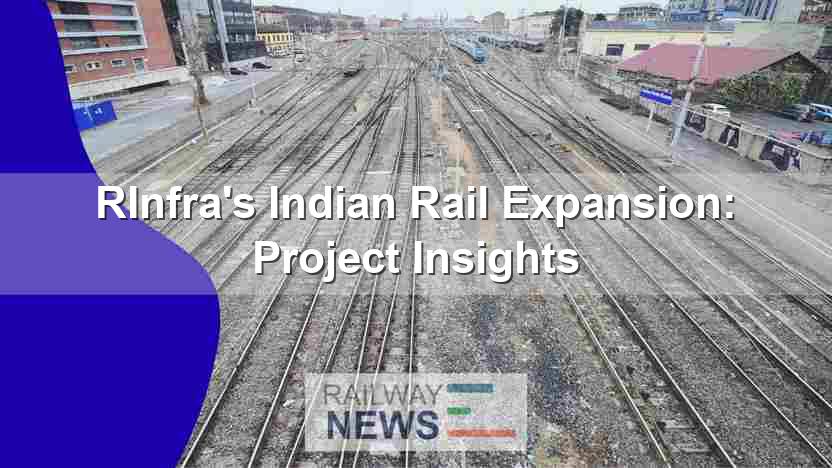
This article analyzes Reliance Infrastructure’s (RInfra) significant win of a $116.9 million Engineering, Procurement, and Construction (EPC) contract for the development of a crucial railway line in India. The project highlights the growing demand for improved railway infrastructure in the country and underscores RInfra’s strategic positioning within this burgeoning market. The contract, awarded by Rail Vikas Nigam Limited (RVNL), encompasses a multifaceted undertaking, including track laying, electrification, signaling system implementation, civil works, and telecommunications infrastructure development. This analysis will delve into the project’s specifics, its strategic implications for RInfra, the broader context of Indian railway modernization, and the potential long-term impact on regional development. We will also examine the technical challenges and opportunities presented by this undertaking, considering factors such as project management, resource allocation, and technological innovation.
Project Scope and Significance
The project involves the construction of a 105km third rail line between Jimidipeta and Gotlam in the Indian states of Andhra Pradesh and Odisha. This expansion to the existing East Coast Railway network is strategically important, connecting key industrial and economic hubs such as Jharsuguda and Visakhapatnam. This new line also acts as a vital bypass for the Howrah-Mumbai and Howrah-Chennai main lines, significantly enhancing freight and passenger capacity and reducing congestion on existing routes. The project also includes the construction of 13 new railway stations and staff quarters, contributing to improved passenger amenities and regional development. The addition of this third line is predicted to substantially improve the efficiency and capacity of the East Coast Railway network, facilitating better connectivity for both freight and passenger traffic in this high-growth region. The successful completion of this project will significantly improve the logistics and transportation infrastructure in the region, potentially attracting new industries and promoting economic growth.
RInfra’s Strategic Positioning and Expertise
RInfra’s award of this contract solidifies their position as a major player in India’s infrastructure development sector. Their experience in executing complex EPC projects across various sectors, including railway and metro systems, makes them well-suited for this challenging undertaking. This project marks RInfra’s foray into a new segment of railway EPC, demonstrating their diversification strategy and commitment to growth within the transportation infrastructure market. The company’s reputation and demonstrated capabilities in large-scale projects underscore their ability to effectively manage complex projects and deliver on time and within budget. This win speaks to RInfra’s competitive advantage in bidding and execution, and it is expected to open doors for future railway projects in the Indian market.
Technological and Managerial Considerations
The project presents both technical challenges and opportunities. Implementing a modern, high-capacity railway system necessitates careful planning and execution. This involves seamlessly integrating advanced signaling systems, ensuring efficient electrification, and constructing robust civil infrastructure. Effective project management, resource allocation, and skilled labor are essential to overcome potential delays and cost overruns. The project presents an opportunity to showcase the latest technological advancements in railway infrastructure, including the use of environmentally friendly materials and energy-efficient systems. RInfra’s success in this endeavor will depend on their ability to leverage their experience, recruit skilled personnel, and utilize modern technologies to execute the project efficiently and effectively.
Impact on Regional Development
The improved railway connectivity facilitated by this project will have a profound impact on regional development. Enhanced transportation networks will stimulate economic activity, allowing for faster movement of goods and improved accessibility to markets for local businesses. The creation of new railway stations and supporting infrastructure will generate employment opportunities and contribute to the overall growth of the region. The reduced transportation costs will benefit industries, potentially attracting further investments and accelerating regional economic progress. Moreover, increased connectivity will positively impact social aspects, improving access to education, healthcare, and other essential services for the population living in the affected area.
Conclusion
Reliance Infrastructure’s acquisition of the INR7.74bn ($116.9m) EPC contract to build a new 105km railway line between Jimidipeta and Gotlam represents a significant milestone for both the company and India’s railway modernization efforts. This project showcases RInfra’s established capabilities in executing large-scale infrastructure projects, while simultaneously highlighting the strategic importance of enhancing railway infrastructure for India’s economic growth. The project’s scope, encompassing track construction, electrification, signaling, civil works, and telecommunications, underscores the complexity and magnitude of the undertaking. RInfra’s expertise in managing and executing such multifaceted projects, combined with the project’s potential to significantly improve regional connectivity and economic development, positions this contract as a pivotal step towards modernizing India’s railway system. The successful completion of this project will not only enhance the capacity and efficiency of the East Coast Railway network but also serve as a testament to RInfra’s commitment to building robust and sustainable infrastructure across India. The positive socio-economic impacts, including job creation and improved accessibility to crucial services, will contribute significantly to the overall development of the region. This project sets a precedent for future infrastructure investments in India and provides a case study of effective private sector participation in national development initiatives.

Railway infrastructure, rolling stock and transport technologies specialist focused on global rail industry developments, high-speed rail systems, signaling technologies and freight transportation. Covering railway investments, public transport modernization, rail operations and international mobility projects across Europe, Asia and North America.
RELATED POSTS

October 8, 2026 1:15 pm
Alstom secured a €1bn contract to build 13 automated trains,...

October 1, 2026 7:09 am
United States regulators confirmed a September 30 deadline for the...

October 8, 2026 12:18 pm
Siemens Mobility signed an agreement with VinSpeed to supply 350...

October 4, 2026 5:14 pm
Alstom secured a CA$4.7 billion order from VIA Rail Canada...

October 5, 2026 6:12 pm
AECOM and Jacobs secured a contract in September 2026 to...

October 1, 2026 12:13 am
Illinois approved $1.5 billion annually for the Northern Illinois Transit...