
Revolutionizing US-Mexico Supply Chains: Intermodal Rail Service
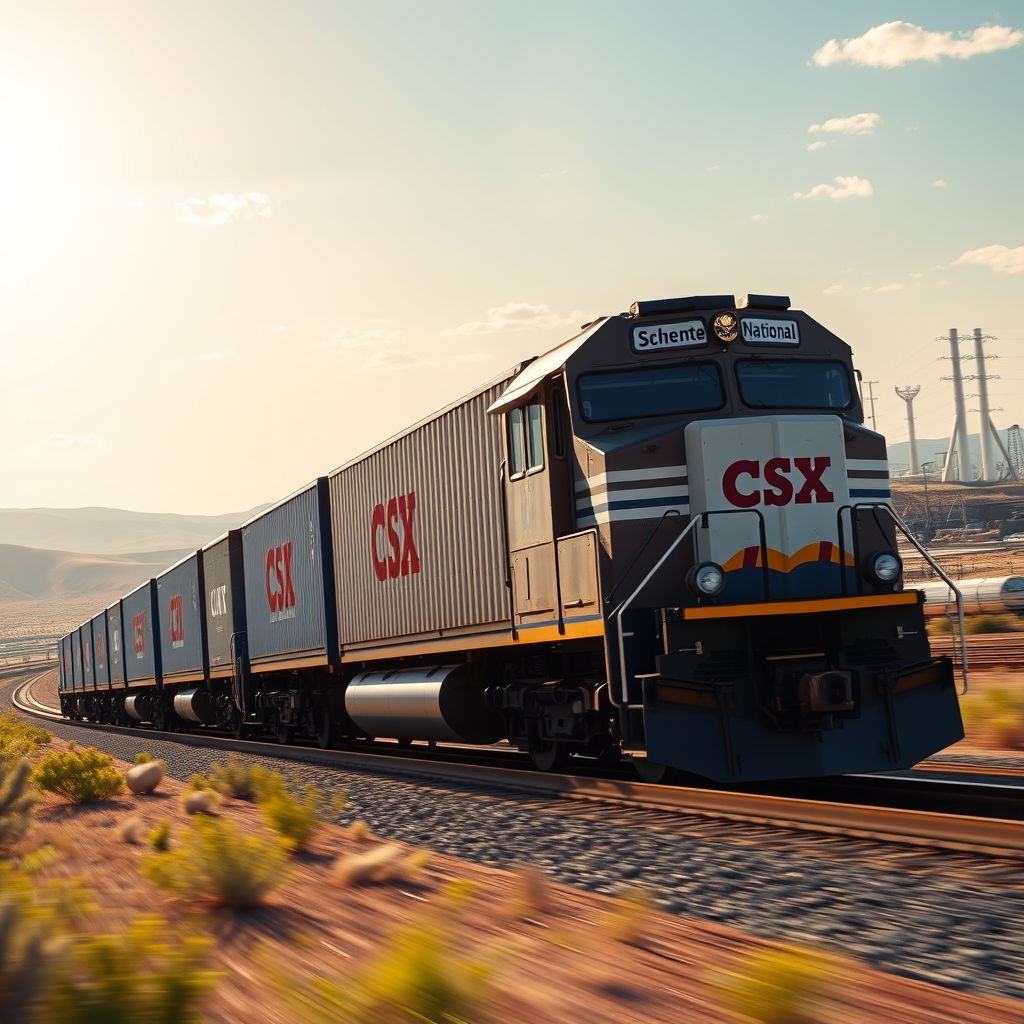
Revolutionizing Southeastern US and Mexican Supply Chains: A New Intermodal Rail Service
The North American freight transportation landscape is undergoing a significant transformation with the introduction of a new intermodal rail service connecting Mexico, Texas, and the Southeastern United States. This initiative, spearheaded by Schneider National, in collaboration with CSX Transportation (CSX) and Canadian Pacific Kansas City (CPKC), promises to revolutionize supply chains by offering a more efficient, reliable, and sustainable alternative to traditional over-the-road trucking. This article will delve into the key aspects of this innovative service, exploring its strategic implications, operational efficiency gains, and environmental benefits. We will examine how this collaboration leverages the strengths of each partner, creating a robust and competitive solution for shippers seeking to optimize their logistics operations and contribute to a more environmentally conscious transportation sector. The analysis will also highlight the strategic importance of this intermodal corridor, its potential impact on regional economies, and its implications for future developments in freight transportation across North America.
Strategic Partnerships for Enhanced Efficiency
The success of this new intermodal service hinges on the strategic collaboration between three major players: Schneider National, a leading logistics provider; CSX, a prominent Eastern US railroad; and CPKC, a transcontinental railroad connecting Canada, the US Midwest, and Mexico. This collaboration combines the operational expertise of each partner, creating a seamless and efficient transportation network. Schneider provides its extensive logistical network and customer base, while CSX and CPKC offer their extensive rail infrastructure and operational capabilities within their respective territories. This synergistic approach ensures smooth freight movement throughout the entire supply chain, eliminating potential bottlenecks and delays frequently associated with multi-carrier transportation solutions. The integrated nature of this partnership minimizes handoffs, reducing potential delays and the associated risks of damage or theft.
Operational Advantages: Speed, Reliability, and Security
This intermodal service boasts several key operational advantages over traditional trucking solutions. The use of rail transportation significantly increases speed and reliability, offering consistent, daily service between the Southeastern US and Mexico, similar to the speed and predictability of trucking. A crucial element is CPKC’s Laredo train bridge crossing, the only intermodal service unaffected by US-Mexico border closures, ensuring uninterrupted operations. Furthermore, Schneider’s approach to customs clearance eliminates unnecessary stops, mitigating the risk of freight theft and minimizing delays associated with traditional border crossings. The optimized logistical flow results in shorter transit times and enhanced supply chain predictability for shippers.
Sustainability and Environmental Impact
The initiative aligns strongly with Schneider’s commitment to sustainable transportation. By shifting freight from over-the-road trucking to rail, the service achieves a remarkable 62% reduction in CO2 emissions compared to Tier 5 truckload transportation. This significant reduction underscores the environmental benefits of this intermodal solution. Further enhancing its sustainability profile, Schneider utilizes lightweight, company-owned equipment and specialized heavy-haul permits to maximize payload and achieve over 10% savings in operational costs. This demonstrates a strong commitment to both environmental responsibility and economic efficiency, showcasing the possibility of combining environmental stewardship with robust business performance within the freight industry.
Expanding Market Access and Nearshoring Support
This new intermodal service is strategically positioned to serve burgeoning markets in Mexico and Texas, connecting them efficiently with key Southeastern US states such as Florida and Georgia. It provides shippers with a highly competitive transportation alternative, particularly for those involved in nearshoring initiatives. By offering more efficient options and routes, the service adds capacity to strained supply chains while reducing road congestion and the associated negative externalities, such as traffic delays and increased wear and tear on road infrastructure. This service not only expands market access but also provides a robust logistical infrastructure to support companies adopting near-shoring strategies, facilitating the movement of goods and materials within this critical region.
Conclusions
The new intermodal service launched by Schneider National, in collaboration with CSX and CPKC, marks a significant advancement in North American freight transportation. This strategic partnership leverages the strengths of each entity to create a highly efficient, reliable, and sustainable intermodal solution connecting Mexico, Texas, and the Southeastern US. The service offers shippers a range of advantages, including improved speed and reliability, enhanced security through streamlined customs processes, significant reductions in carbon emissions, and increased overall supply chain efficiency. The operational improvements, combined with the environmental benefits, position this initiative as a model for future sustainable freight transportation solutions. The success of this initiative could lead to a broader adoption of intermodal transport, stimulating further investment in rail infrastructure and further driving the industry towards more environmentally friendly practices. The implications extend beyond simply improving logistics; this service is actively supporting nearshoring initiatives, boosting regional economies, and setting a new standard for collaboration and innovation within the freight transportation industry. This innovative approach demonstrates the potential of strategic partnerships to deliver significant value and sustainability within the supply chain, fostering a more resilient and environmentally responsible transportation sector.
RELATED POSTS
April 1, 2026 6:21 pm
Federal Transit Administration awarded $20.6 billion in formula-based apportionments to...
April 1, 2026 8:40 pm
BNSF Railway expands Galesburg, Illinois, yard capacity, with second hump...
April 1, 2026 12:10 pm
Alstom secured a €410 million contract from CFR SA to...
April 1, 2026 4:31 pm
Network Rail upgraded Berrylands station platforms for £6 million, replacing...
April 2, 2026 8:35 am
Alstom secured a €22 million contract with Mazovia Railways for...
April 2, 2026 2:33 am
RTD Denver suspends D, H, L light-rail service from June...