
ReVolt: Green Rail Revolution, Now
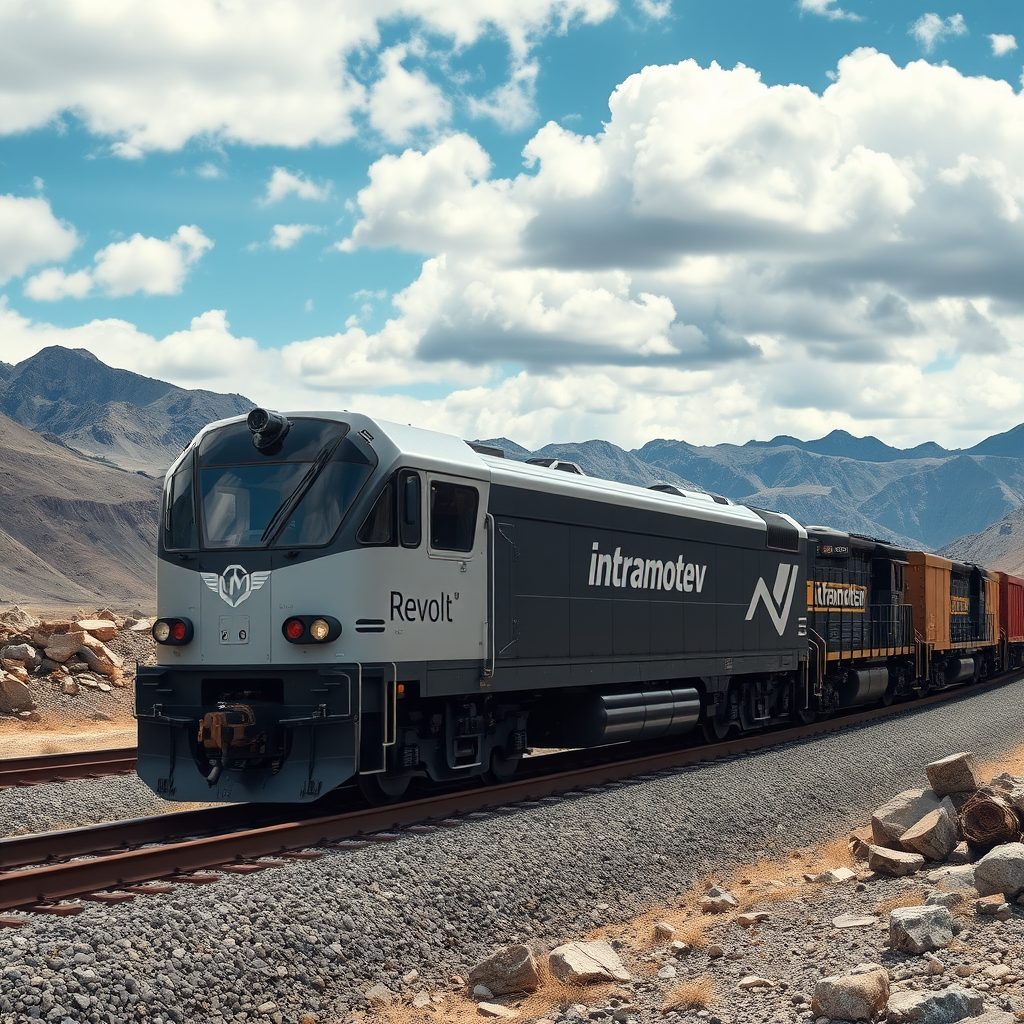
The burgeoning field of sustainable rail transportation is witnessing significant advancements, particularly in the electrification of freight operations. This article delves into the innovative contributions of Intramotev, a US-based startup, and its groundbreaking battery-electric railcar technology, ReVolt. Intramotev’s deployment of this technology in a real-world mining application signifies a pivotal moment in the transition towards greener freight solutions. The integration of ReVolt into a conventional freight train, initially within the confined environment of a mine’s private rail network, offers valuable insights into the scalability and practical application of battery-electric railcars within broader railway systems. This exploration will examine the technical aspects of ReVolt, its economic implications, the environmental benefits, and its potential for wider adoption across the freight railway sector. We will also discuss the strategic advantages of initial deployment in the mining industry and the future prospects of this technology in decarbonizing the freight transportation landscape.
ReVolt Technology: A Deep Dive
Intramotev’s ReVolt system represents a significant departure from traditional locomotive-centric freight train propulsion. Instead of relying solely on a centralized diesel or electric locomotive, ReVolt incorporates self-propelled battery-electric railcars. These railcars are retrofitted onto existing freight cars, effectively distributing propulsion power along the train. This distributed propulsion system offers several key advantages. Firstly, it enhances the operational flexibility of the train, allowing for improved acceleration and gradeability, especially beneficial in challenging terrains commonly found in mining operations. Secondly, the system’s regenerative braking capabilities allow the railcars to recapture energy during deceleration, significantly increasing energy efficiency and reducing reliance on external power sources. This functionality is crucial for reducing overall energy consumption and emissions.
Economic and Environmental Benefits
The economic advantages of ReVolt are compelling. Reduced fuel consumption translates directly into significant cost savings for operators. Furthermore, the reduced reliance on diesel fuel minimizes maintenance costs associated with traditional locomotives. The environmental benefits are equally significant. By decreasing reliance on fossil fuels, ReVolt contributes substantially to lower greenhouse gas emissions, aligning with global efforts to mitigate climate change. The initial deployment in the mining sector—a traditionally high-emission industry—demonstrates the technology’s potential for substantial environmental impact.
Strategic Deployment and Scalability
Intramotev’s strategic choice to initially focus on the mining sector provides several advantages. Mining operations often utilize isolated rail networks, creating a controlled environment for testing and deployment of new technologies, minimizing operational disruption and risk. The predictable operational cycles and readily available data on material transport volumes in mining facilitate precise evaluation of the ReVolt system’s performance and its potential for scaling up. The success in Pennsylvania’s Cumberland Mine serves as a strong proof-of-concept for broader adoption in other industries. The planned deployment in a Michigan calcium mine further underscores this strategy and its potential to accelerate wider market penetration.
Future Outlook and Wider Implications
The success of Intramotev’s ReVolt system holds significant implications for the broader railway industry. The successful integration of battery-electric railcars into existing freight train operations showcases the viability of a more sustainable and efficient approach to freight transportation. As battery technology continues to advance and costs decrease, the widespread adoption of similar technologies is likely to accelerate, contributing to the decarbonization of the freight railway sector globally. The initial success in a niche environment proves the concept’s potential for broader applications, transforming main-line rail freight and potentially even passenger transport.
Conclusions
Intramotev’s introduction of the ReVolt battery-electric railcar technology marks a significant milestone in the evolution of sustainable freight transportation. The successful deployment within a Pennsylvania mining operation showcases the technology’s practical application and economic viability. The distributed propulsion system inherent in ReVolt provides several key advantages, including enhanced operational flexibility, improved energy efficiency via regenerative braking, and substantial cost savings through reduced fuel consumption and maintenance. The strategic focus on the mining sector, with its contained rail networks and readily available data, allowed for controlled testing and evaluation, demonstrating the technology’s effectiveness before wider deployment. The environmental benefits, through significant reductions in greenhouse gas emissions, are substantial and align perfectly with global sustainability goals. The future outlook for ReVolt and similar technologies is bright, promising substantial changes in the freight railway industry. As battery technology improves and costs decline, we anticipate widespread adoption across various sectors, leading to a greener and more efficient freight transportation system. Intramotev’s pioneering work underscores the potential for innovation to drive positive change within the rail industry, paving the way for a more sustainable future for freight transportation globally.
RELATED POSTS

January 3, 2023 1:14 am
Revolutionizing Indian Freight: Siemens’ Mega-Contract for High-Horsepower Electric Locomotives This...
June 21, 2025 6:49 am
Government Takes Control of HS2 Amidst Mismanagement Concerns Transport Secretary...

December 11, 2015 9:16 pm
Tanzania is preparing regulations to allow private operators in its...

February 12, 2016 9:41 pm
Alstom together with Bouygues Travaux Publics signed a contract with...
July 21, 2021 10:04 am
This article explores the significant enhancement of security and safety...
September 17, 2020 4:51 pm
This article examines the significant framework agreement between DB Cargo...