
RCG’s Benelux Rail Power Play: Captrain Acquisition
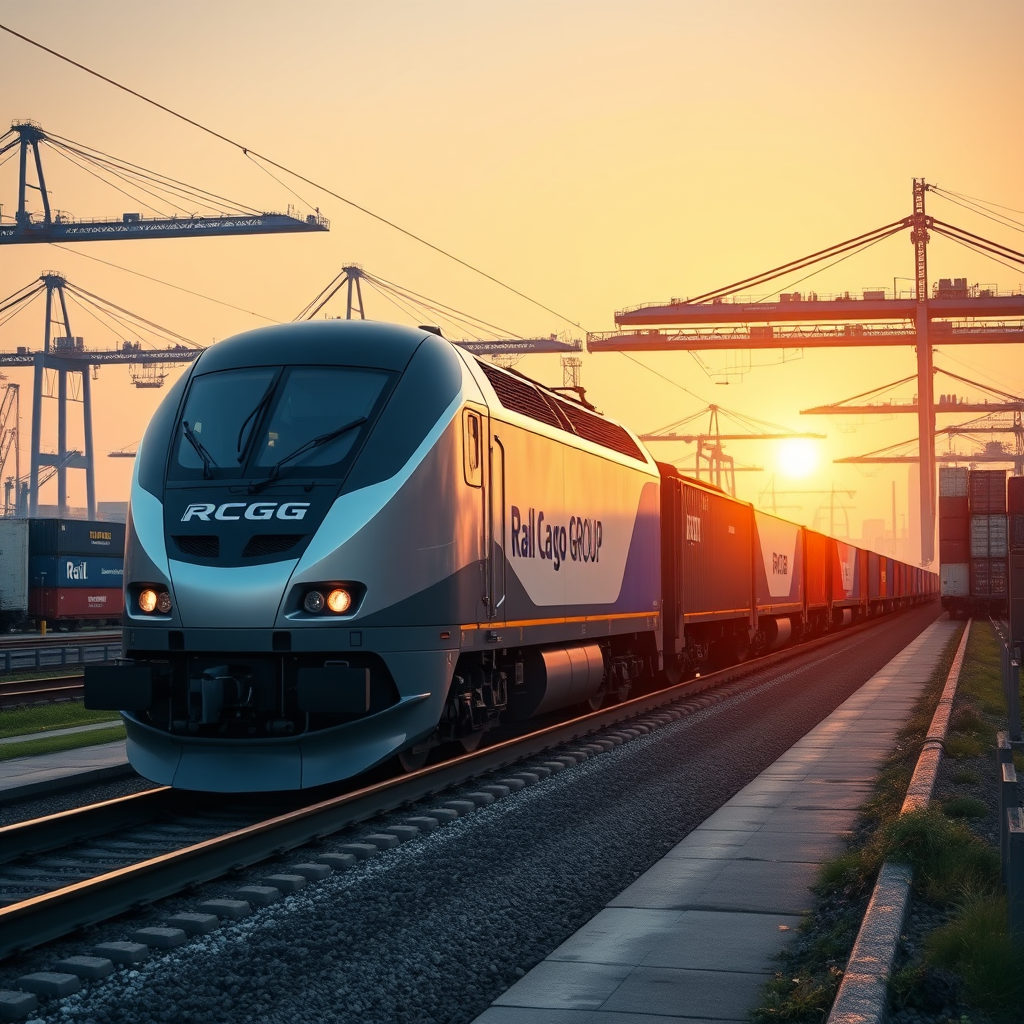
This article examines the strategic acquisition of Captrain Netherlands by ÖBB’s Rail Cargo Group (RCG), a move that significantly impacts the European freight rail landscape. The acquisition, finalized in June 2024, represents a key step in RCG’s broader expansion strategy within the Benelux region (Belgium, Netherlands, and Luxembourg). This analysis will explore the rationale behind the acquisition, its implications for RCG’s operations and market position, and the wider context of the European rail freight sector. We will delve into the strategic importance of the Benelux region, the operational benefits of owning its own traction, and consider the acquisition against the backdrop of recent trends in Dutch rail freight traffic. Finally, we will assess the potential long-term effects of this acquisition on both RCG and the overall competitiveness of European rail freight.
RCG’s Expansion into the Benelux Market
The Benelux region holds significant strategic importance for freight rail operators due to its dense network of ports, industrial centers, and its central location within Europe. Acquiring Captrain Netherlands grants RCG direct access to this crucial market, allowing for enhanced control over its operations and supply chains. Previously relying on third-party providers for traction within the Netherlands, RCG faced logistical challenges and potential delays. This acquisition solves these issues, enabling end-to-end control of its TransFER services, improving reliability and potentially lowering operating costs. The acquisition of seven locomotives dedicated to shunting (the process of moving rail cars within a yard) and last-mile services is a vital component of this improved operational efficiency.
Operational Synergies and Strategic Advantages
The acquisition offers RCG numerous operational advantages. The integration of Captrain Netherlands’ locomotives directly supports RCG’s existing TransFER services connecting Austria with key Dutch ports such as Rotterdam and Antwerp. This improved control streamlines logistics, reduces transit times, and increases the competitiveness of RCG’s offerings. The ability to manage its own traction eliminates reliance on external providers, reducing vulnerabilities to external scheduling constraints and potential cost increases. This end-to-end control enhances RCG’s ability to manage capacity and react swiftly to market demands.
Market Context and Future Growth
Despite a reported 10% drop in Dutch rail freight traffic in 2023, as noted by ProRail, RCG’s strategic move reflects a long-term view of the market. The company clearly identifies the potential for future growth in the Benelux region and sees this acquisition as a critical investment to secure its market share. This suggests a confidence in the long-term prospects of rail freight despite short-term fluctuations. RCG’s expansion reflects a broader trend of consolidation within the European rail freight sector, with companies seeking to enhance their operational efficiency and geographic reach.
Implications and Long-Term Outlook
The acquisition of Captrain Netherlands by RCG represents a significant development in the European rail freight industry. By gaining direct control over its operations within the Netherlands, RCG enhances its efficiency, reliability, and overall market competitiveness. The integration of Captrain Netherlands’ assets and personnel strengthens RCG’s presence in a strategically important region, allowing for greater control over its TransFER services and improved service offerings to its customers. This proactive move indicates RCG’s ambition for continued growth and expansion within Europe. While the short-term market conditions present some challenges, RCG’s long-term strategy focuses on building a robust and integrated network to capitalize on the inherent advantages of rail freight, including sustainability and efficiency. The success of this acquisition will largely depend on the seamless integration of the acquired assets and personnel, and the ability of RCG to adapt to the specific dynamics of the Dutch market.
Conclusion
The acquisition of Captrain Netherlands by ÖBB’s Rail Cargo Group marks a significant strategic move aimed at strengthening its presence in the strategically important Benelux market. This acquisition provides RCG with direct control over its own traction, enhancing operational efficiency, reliability, and overall competitiveness. The integration of Captrain Netherlands’ seven locomotives directly supports RCG’s existing TransFER services, improving the end-to-end management of its operations. While a recent decline in Dutch rail freight traffic might seem concerning, RCG’s long-term vision focuses on the considerable potential for future growth within the Benelux region. The acquisition reflects a broader industry trend towards consolidation and the increasing importance of strategic investments in enhancing efficiency and geographic reach. The long-term success of this endeavor will hinge on the successful integration of Captrain Netherlands’ operations into RCG’s existing network and RCG’s ability to effectively navigate the unique market dynamics of the Netherlands. The move underscores RCG’s commitment to expanding its European footprint and reinforces its position as a major player in the increasingly competitive European rail freight sector.
RELATED POSTS

June 18, 2025 8:00 pm
Alstom partners with Outokumpu for low-emission stainless steel in metro...

December 17, 2025 6:39 am
Appalachian Regional Port smashes November records with a 35% surge,...
January 16, 2026 3:39 pm
Rail industry launches a new program to honor women leaders...
December 10, 2018 11:09 pm
Alstom has been awarded a contract to equip Israel Railways'...

December 3, 2021 12:00 am
This article examines the significant undertaking of constructing the Verona-Padua...
January 29, 2021 2:18 am
This article examines the significant upgrade of DB Cargo’s EG3100...