
Railway Revolution: Global Deals & Tech Advancements
Railway innovation is accelerating! From fiber optics to 3D printing, discover how cutting-edge technology is revolutionizing rail infrastructure and operations worldwide.
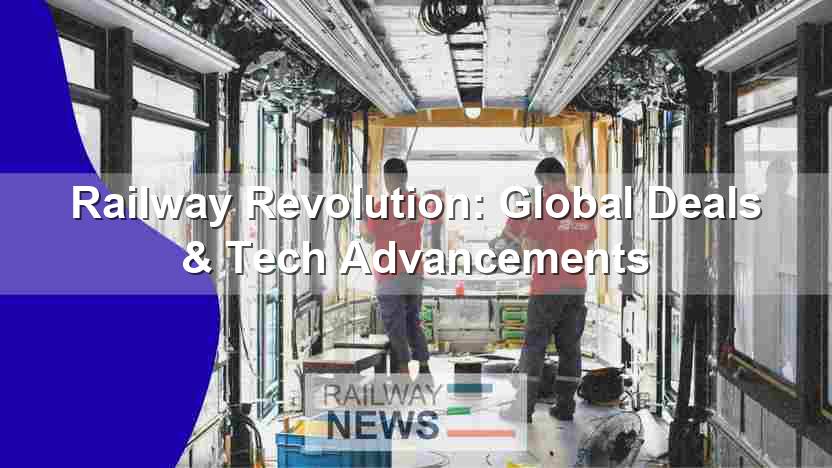
The global railway industry is undergoing a period of significant transformation, driven by the need for increased capacity, improved efficiency, and enhanced passenger experience. This article examines several key deals impacting the sector, highlighting the adoption of advanced technologies and strategic infrastructure investments. We will explore recent contracts awarded for fiber optic cable upgrades, the integration of 3D printing in rolling stock manufacturing, the implementation of cutting-edge signaling systems, and the expansion of electric multiple unit (EMU) fleets. These examples showcase the diverse range of innovations and collaborations shaping the future of railway infrastructure and operations, with a focus on enhancing safety, sustainability, and overall performance. The analysis will delve into the implications of these projects for network modernization, technological adoption within the industry, and the overall improvement of railway services worldwide.
Fiber Optic Network Upgrades in Sweden
Trafikverket (the Swedish Transport Administration) has awarded Nexans, a French cabling and connectivity solutions provider, a €65 million contract for a substantial upgrade of the Swedish national rail network’s communication systems. This project involves the installation of Nexans’ optical fiber cable solutions, enhancing communication reliability and speed across the entire network. The project, scheduled for completion by 2029, represents a significant investment in modernizing the nation’s railway infrastructure, ensuring future-proof communication capabilities and supporting increased operational efficiency and safety. The compatibility of the new system with existing infrastructure minimizes disruption during implementation, demonstrating a strategic approach to modernization.
3D Printing in Rolling Stock Manufacturing
Angel Trains, a UK-based train leasing company, is collaborating with Stratasys and ESG Rail to explore the potential of 3D printing in the production of interior rail components. This initiative focuses on creating armrests, grab handles, and seat-back tables using additive manufacturing techniques (3D printing). The goal is to leverage the advantages of 3D printing, such as reduced production time and cost, enhanced design flexibility, and the ability to produce components with longer operational lives. Testing of these 3D-printed components on passenger trains is scheduled to commence in 2019, demonstrating a shift towards more innovative and efficient manufacturing processes within the industry.
Communications-Based Train Control (CBTC) System Implementation in Mumbai
The Mumbai Metro Rail Corporation Limited (MMRCL) has selected Alstom to supply a Communications-Based Train Control (CBTC) system for Mumbai Metro Line 3. This €100 million contract includes the installation of Alstom’s Urbalis 400 CBTC signalling technology, a system designed for high-capacity metro lines. CBTC enhances safety, increases train frequency, and optimizes traffic flow, addressing the challenges posed by high ridership in densely populated urban areas. The implementation of this advanced signaling system represents a significant step towards improving the efficiency and safety of the Mumbai Metro network.
Infrastructure Renewal and Expansion Projects in Scotland
Network Rail has awarded Story Contracting a £135 million contract for renewal and enhancement projects in Scotland. This significant investment involves infrastructure replacement, station improvements, and other associated works, underscoring the commitment to maintaining and upgrading the existing rail network infrastructure. Such large-scale projects play a vital role in ensuring the long-term viability and reliability of rail services, contributing to safer and more efficient operations. Collaboration between Network Rail and Story Contracting demonstrates a strategic partnership approach to deliver these crucial improvements.
Conclusion
The railway industry is embracing innovation to address the evolving needs of passengers and freight transportation. The deals highlighted in this article demonstrate this trend through several key areas. The Trafikverket contract showcases the investment in modernizing communication infrastructure to improve safety and efficiency across the Swedish rail network, using fiber optic technology for enhanced data transmission capabilities. The Angel Trains, Stratasys, and ESG Rail collaboration represents a significant step towards integrating advanced manufacturing techniques, specifically 3D printing, for cost-effective and sustainable production of rail components. The Alstom contract with MMRCL highlights the growing importance of advanced signaling systems, like CBTC, in optimizing the performance and safety of high-capacity metro systems. Lastly, the Network Rail and Story Contracting deal emphasizes the ongoing need for investment in the maintenance and improvement of existing rail infrastructure to ensure reliable and efficient rail operations. These projects, taken together, demonstrate a dynamic and progressive approach to railway development, balancing upgrades to existing systems with the adoption of cutting-edge technology and strategic infrastructure investments to optimize efficiency, safety, and the overall passenger experience. The future of rail transportation hinges on such innovative collaborations and large-scale investments to meet growing demands and maintain competitiveness in the transportation sector. The integration of advanced technologies and the focus on sustainable and efficient operations highlighted in these deals are crucial elements in shaping the future of railway systems globally.

Railway infrastructure, rolling stock and transport technologies specialist focused on global rail industry developments, high-speed rail systems, signaling technologies and freight transportation. Covering railway investments, public transport modernization, rail operations and international mobility projects across Europe, Asia and North America.
RELATED POSTS
September 6, 2026 5:19 am
Hitachi delivered Taiwan's first N700ST high-speed train from Japan in...

September 5, 2026 4:19 pm
CPK launched formal tender talks with four consortia to design...

September 5, 2026 7:14 pm
HS2 Ltd signed renegotiated civils contracts with EKFB and Align...
September 6, 2026 6:17 am
Hungary ordered a national ban on most freight trains from...

September 6, 2026 4:12 am
Alstom delivered the first of 100 new G Class trams...
September 6, 2026 1:17 am
Hitachi Toshiba Supreme Consortium confirmed the first of 12 N700ST...