
Railcoop’s Demise: Open Access Rail Failure, France
The demise of Railcoop highlights the critical challenges faced by open-access railway cooperatives in securing funding, managing operational costs, navigating regulatory complexities, and developing a robust business model in established markets with entrenched legacy operators.
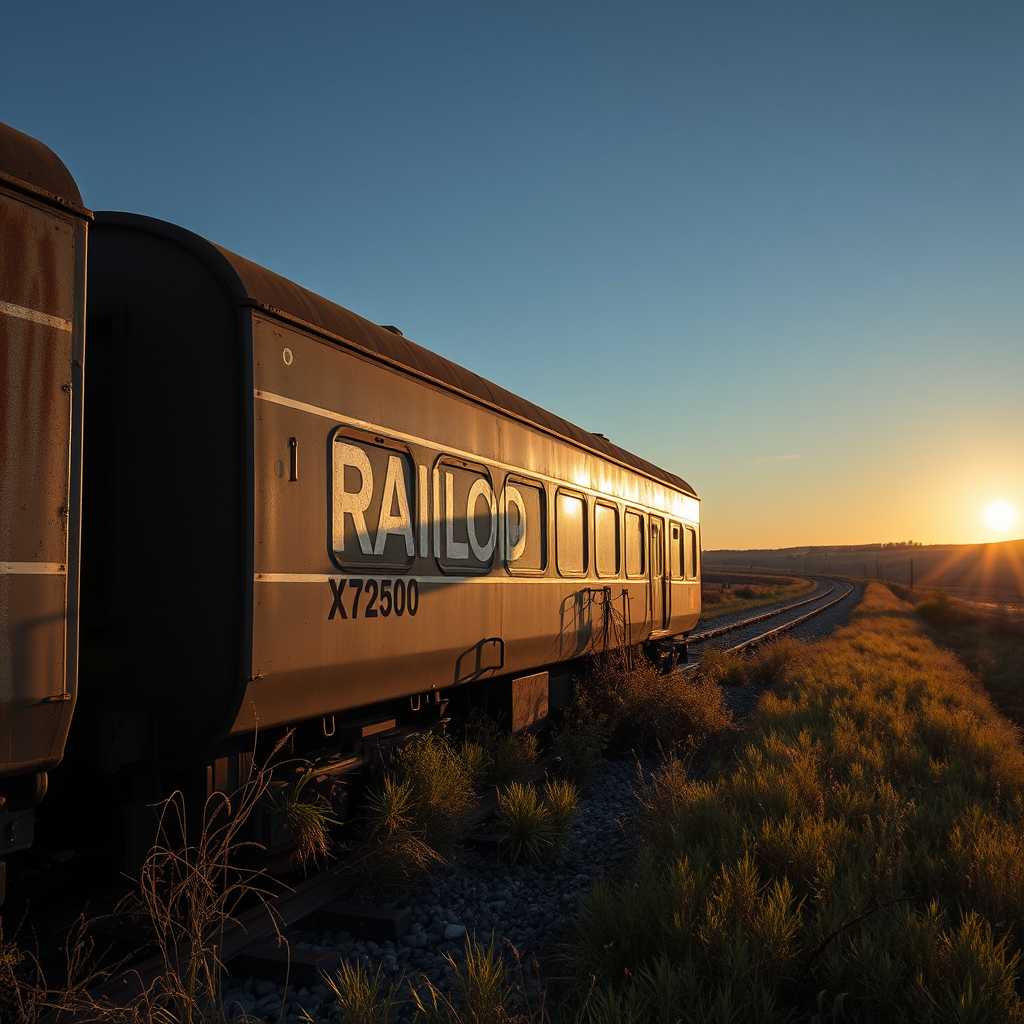
The Demise of Railcoop: A Case Study in Open Access Rail Challenges
This article examines the impending liquidation of Railcoop, a French open-access (OA) railway cooperative, providing a critical analysis of the factors contributing to its failure. The case of Railcoop serves as a valuable lesson, highlighting the significant hurdles faced by new entrants attempting to operate in established, heavily regulated railway markets. We will explore the challenges of securing funding, managing operational costs, navigating regulatory complexities, and the importance of a robust business model in the competitive landscape of the French railway system. Understanding Railcoop’s struggles offers crucial insights into the viability and sustainability of open-access rail initiatives, especially in contexts where legacy operators maintain significant market dominance. This analysis will delve into the financial difficulties, operational setbacks, and strategic missteps that ultimately led to Railcoop’s downfall, offering valuable lessons for future ventures in the open-access rail sector. The analysis also considers the wider implications for the French railway market and the future of OA rail in Europe.
Financial Instability and Funding Shortfalls
Railcoop’s primary downfall stemmed from persistent financial instability. Despite securing an operating license and necessary permissions, the cooperative consistently struggled to raise sufficient capital to launch its planned passenger services between Lyon and Bordeaux. This funding gap severely hampered its ability to procure and maintain rolling stock (in this case, two X72500 DMUs (Diesel Multiple Units)), meet operational expenses, and cover debt obligations. The inability to secure investment, even after attempts to restructure the business into separate asset management and service delivery arms, proved fatal. The lack of sufficient financial backing underscores the challenges inherent in establishing a new railway operator, particularly one operating on an open-access model, which requires significant upfront investment and ongoing operational funding.
Operational Challenges and Regulatory Hurdles
Beyond financial constraints, Railcoop faced significant operational difficulties. The delay in launching passenger services, originally slated for 2022, significantly impacted its revenue projections and exacerbated its financial woes. Additionally, disputes with maintenance contractors, such as the €160,000 debt owed to ACC M for rolling stock storage, further strained its already precarious financial position. Navigating the complex regulatory environment of the French railway system also presented significant challenges. Securing track access and adhering to stringent operational standards placed additional burdens on the cooperative, further hindering its progress and contributing to its eventual failure. The experience highlights the need for meticulous planning, detailed financial forecasting, and a thorough understanding of the regulatory landscape for new entrants to the rail market.
Market Competition and Business Model Viability
The highly competitive nature of the French railway market, dominated by the established operator SNCF, also played a crucial role in Railcoop’s demise. Attracting passengers and establishing a profitable market share against an entrenched incumbent proved exceedingly difficult. The cooperative’s chosen business model, while aiming for a cooperative and socially responsible approach, may not have been adequately robust to withstand the financial pressures and competitive dynamics of the market. The need for a sustainable and competitive business model capable of generating sufficient revenue and attracting investment is a critical factor for success in the open-access rail sector. This highlights the importance of conducting thorough market research and developing a financially viable business plan that can withstand the competitive pressures of a mature railway market.
Lessons Learned and Future Implications
The failure of Railcoop offers valuable lessons for aspiring open-access rail operators. Securing adequate funding, developing a robust and sustainable business model, navigating complex regulations, and effectively managing operational challenges are critical for success. The experience highlights the need for a realistic assessment of market conditions, competitive pressures, and potential risks. The cooperative’s inability to generate sufficient revenue, coupled with its financial mismanagement and inability to attract investment, underscores the importance of careful financial planning and a detailed understanding of the intricacies of the railway industry. While Railcoop’s demise represents a setback for the open-access model in France, the emergence of other operators like Kevin Speed, securing track access agreements, indicates continued interest in this model. The experience of Railcoop, however, underscores the need for meticulous planning, significant financial resources, and a detailed understanding of the regulatory and competitive landscape for future open-access initiatives to succeed. Future attempts at open-access rail must carefully consider these factors to avoid repeating the mistakes that led to Railcoop’s liquidation. The long-term viability of open-access rail in France and beyond will depend on the ability of new entrants to address these systemic challenges.

Railway infrastructure, rolling stock and transport technologies specialist focused on global rail industry developments, high-speed rail systems, signaling technologies and freight transportation. Covering railway investments, public transport modernization, rail operations and international mobility projects across Europe, Asia and North America.
RELATED POSTS
June 2, 2026 8:44 am
⚡ In Brief: The UK Office of Rail and Road...
June 2, 2026 10:31 am
⚡ In Brief: The UK’s Office of Rail and Road...
June 2, 2026 11:37 am
⚡ In Brief: The UK’s Office of Rail and Road...
June 1, 2026 6:57 pm
Amtrak confirmed the delivery of its first Airo trainset for...
June 1, 2026 2:56 pm
České dráhy opened a new €9 million regional train maintenance...
June 1, 2026 10:58 pm
MARTA completed 8 Atlanta station upgrades and new Breeze fare...