
Rail Infrastructure Modernization: Trends, Efficiency, & Beyond
Here are a few voiceover-friendly excerpts for railway professionals:
**Option 1 (Focus on Infrastructure):**
> Modernizing railway infrastructure is key. Implementing advanced track techniques and smart technologies is critical for efficiency and longevity.
**Option 2 (Focus on Technology):**
> Railway technology is revolutionizing operations. Discover how data analytics and smart systems are transforming railway efficiency today!
**Option 3 (General and Engaging):**
> The railway industry is evolving. Explore advancements in modernizing the tracks, trains, and technology for a more sustainable future.

Railway Infrastructure: A Deep Dive into Modernization and Efficiency
The railway industry, a cornerstone of global transportation, is undergoing a period of significant transformation. This evolution, driven by the need for increased efficiency, enhanced safety, and reduced environmental impact, is reshaping every aspect of railway operations, from rolling stock to signaling systems. This article will delve into the key facets of this modernization, exploring how advancements in technology and strategic infrastructure investments are paving the way for a more sustainable and effective railway network. We will examine the critical role of infrastructure upgrades, the integration of innovative technologies, and the challenges and opportunities that lie ahead in this dynamic sector. The aim is to provide a comprehensive overview of the current state of the railway industry and its future trajectory, highlighting the vital importance of strategic planning and investment in ensuring its continued success.
Modernizing the Tracks: Infrastructure Upgrades
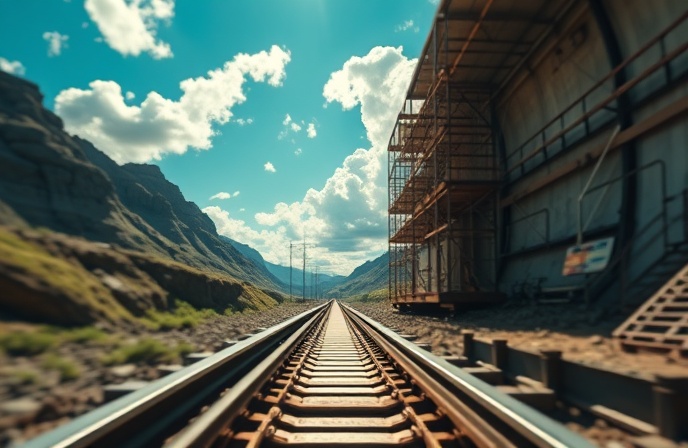
The foundation of any efficient railway system lies in its infrastructure, and particularly in the condition of the tracks themselves. Traditional track infrastructure, while robust, often suffers from wear and tear, leading to increased maintenance costs and reduced operational speeds. Modernization efforts are focused on several key areas: the implementation of advanced track laying techniques, the utilization of high-strength materials, and the integration of real-time monitoring systems. These improvements result in several key benefits, including reduced maintenance cycles, improved ride quality, and the ability to handle heavier loads at higher speeds. The adoption of concrete sleepers (also known as railroad ties) and continuously welded rails (CWR) minimizes vibrations and improves track stability. Furthermore, the implementation of sophisticated ballast stabilization techniques ensures the longevity of the trackbed, and ultimately leads to better performance. These improvements allow railroads to handle increased traffic volumes with greater reliability and reduced downtime.
You might be interested in:
Last October 2018, we published an article about KiwiRail’s electric locomotive modernization. Click here to read – KiwiRail’s EF Fleet Modernization: NZ Rail Insights
Smart Technologies: Enhancing Efficiency
Technology is playing an increasingly important role in railway modernization. The integration of intelligent systems has the potential to revolutionize all aspects of railway operations. Digital technologies are being used to automate processes, improve decision-making, and optimize resource allocation. The deployment of sophisticated signaling systems, such as European Rail Traffic Management System (ERTMS), enhances safety and allows for higher train densities. Real-time data analytics provides operators with invaluable insights into track conditions, train performance, and potential delays. Furthermore, the use of predictive maintenance algorithms allows for proactive identification and resolution of potential issues before they can impact operations. This proactive approach minimizes downtime and maximizes the lifespan of the infrastructure. These technologies improve punctuality, reduce energy consumption and provide a more efficient operation.
The Role of Rolling Stock and Electrification
Alongside infrastructure improvements, modernizing the rolling stock is equally critical. Investing in new trains that are more fuel-efficient, reliable, and passenger-friendly improves the overall railway experience. The adoption of advanced propulsion systems, such as electric multiple units (EMUs) and hybrid trains, reduces emissions and noise pollution. Electric trains contribute to environmental sustainability and operational efficiency. Moreover, the integration of advanced onboard technologies, such as real-time passenger information systems and Wi-Fi, enhances passenger comfort and convenience. Electrification of railway lines, combined with the use of renewable energy sources, offers a substantial pathway to a greener railway network. High-speed rail projects are another key area of development, with dedicated lines designed to carry passengers at speeds exceeding 250 km/h.
The Future of the Railway: Challenges and Opportunities
The railway industry faces both significant challenges and vast opportunities as it navigates the path toward modernization. One of the primary challenges is securing sufficient funding for large-scale infrastructure projects and the ongoing costs of maintenance and upgrades. Public-private partnerships (PPPs) are increasingly being utilized to finance railway projects, but they require careful planning and management to ensure their success. Furthermore, the industry must address the need for skilled workers, as new technologies and operating practices require a workforce with specialized knowledge. Attracting and retaining qualified personnel is essential for sustained growth. The increasing need for capacity, especially in urban and high-traffic areas, poses a challenge, as it requires innovative solutions. Developing
Conclusion
In conclusion, the railway industry is undergoing a profound transformation, driven by the convergence of technological advancements, environmental concerns, and the need for efficient transportation. Infrastructure upgrades, the adoption of smart technologies, and the modernization of rolling stock are all contributing to a more reliable, sustainable, and passenger-friendly railway network. These efforts require substantial investment, strategic planning, and a commitment to innovation. The integration of advanced signaling systems, the use of real-time data analytics, and the adoption of electric and hybrid trains are paving the way for improved operational efficiency and reduced environmental impact. The challenges facing the industry, including securing funding, addressing labor shortages, and increasing capacity, are significant, but the potential for growth and the positive impact on sustainability make the railway sector a vital component of the global transportation landscape. The future of rail hinges on embracing these opportunities and adapting to the evolving needs of society.
RELATED POSTS
September 6, 2025 3:13 am
TTC secures Alstom contract for 70 new subway train sets,...
September 23, 2018 12:04 pm
It was a world premiere being celebrated by Alstom, one...
August 15, 2019 12:07 pm
This article explores the Morley-Ellenbrook rail line, a significant addition...

May 8, 2013 12:11 pm
China-based information and communications technology (ICT) company Huawei has secured...
February 23, 2025 11:40 pm
CAF’s Expansion in the Italian Tram Market: A Technological and...
February 9, 2022 9:23 am
This article explores the significant cost increase and contractor change...