
Rail Emergency Response: Real-Time Data Saves Lives
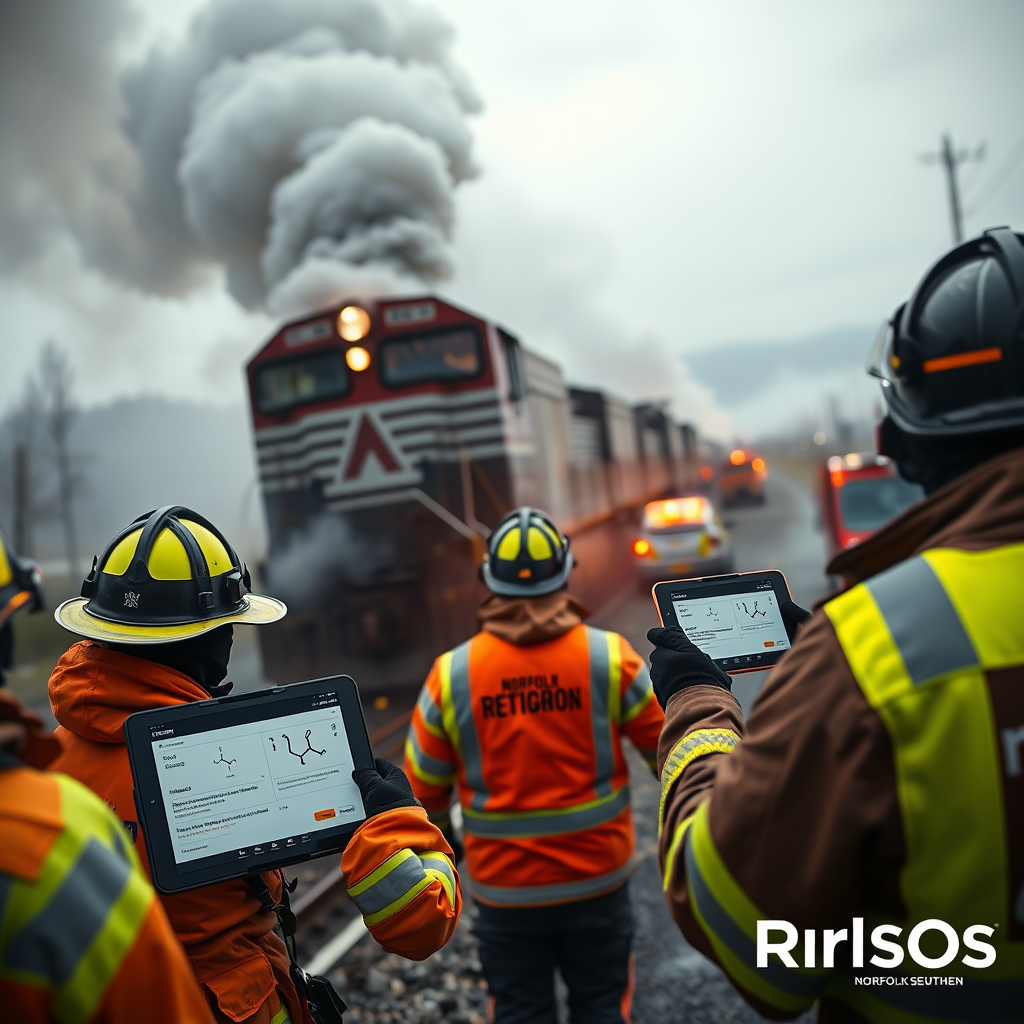
Enhanced First Responder Communication in Rail Incidents: A Technological Solution
The rail industry faces ongoing challenges in ensuring rapid and effective emergency response to incidents involving hazardous materials. This article explores the recent partnership between Norfolk Southern Railway (NS) and RapidSOS, focusing on a new technological solution designed to significantly improve the flow of critical information to first responders during rail emergencies. The devastating derailment in East Palestine, Ohio, highlighted the urgent need for improved communication and information sharing between railway operators and emergency services. This event underscored the potential consequences of delayed or inadequate responses, emphasizing the necessity for real-time data access to facilitate safer and more efficient emergency operations. The partnership detailed below offers a potential pathway to mitigate these risks, promoting better preparedness and community safety within the rail network’s operational area. The analysis will examine the technological aspects of the solution, its implications for emergency response protocols, and the broader context of enhancing rail safety in the face of potential hazardous material incidents.
Improving Emergency Response through Real-Time Data Sharing
The collaboration between NS and RapidSOS aims to provide first responders with immediate access to crucial information during rail incidents. This system bypasses the traditional reliance on slower methods of information dissemination, such as phone calls and radio communications which can be hindered by communication failures, and chaotic incident scenes. Instead, RapidSOS’s digital platform creates a direct link between the railway’s emergency response system and emergency services dispatch centers (911). Upon a significant event, such as a derailment, NS will automatically trigger a digital emergency alert through RapidSOS. This alert instantly delivers essential details, including the precise location of the incident, a manifest of the involved cargo, and pertinent safety guidelines for handling potentially hazardous materials.
Enhancing Situational Awareness for First Responders
The system’s focus on contextual data is a key advantage. First responders will receive not just the location and type of incident, but also detailed information about the specific hazardous materials involved. This allows them to better anticipate potential dangers and tailor their response strategies accordingly. This is significantly improved upon the previous methods where time was lost attempting to ascertain these vital details during the critical initial response window. Knowing the nature of the cargo allows for preemptive measures and selection of appropriate personal protective equipment (PPE), mitigating risks to both first responders and the affected community. The system’s speed and efficiency significantly shorten response times, potentially saving lives and minimizing environmental impact.
Technological Infrastructure and Integration
The success of this initiative hinges on the seamless integration of NS’s internal incident management systems with the RapidSOS platform. This requires robust data management, reliable communication networks, and stringent testing procedures to ensure the system’s reliability and accuracy under pressure. The system also has the capability to integrate with other existing emergency response systems. This interconnectedness strengthens the overall resilience of the emergency response infrastructure and helps avoid data silos. The system’s ability to handle large volumes of data simultaneously is critical, ensuring that alerts are delivered without delays, regardless of the scale of the incident.
Implications for Rail Safety and Public Trust
The partnership between NS and RapidSOS is a significant step towards enhancing rail safety and public trust. By providing readily available, critical information to first responders, the system aims to improve the speed and effectiveness of emergency response. This is crucial in mitigating the impact of hazardous material incidents and reducing the potential for widespread environmental damage or community disruption. The initiative is also a response to public concerns about rail safety following the East Palestine incident. By demonstrating a commitment to improved communication and information sharing, NS aims to rebuild public confidence in its safety protocols. The free availability of this solution to public agencies across the US showcases a commitment to collaboration and a shared responsibility for ensuring community safety.
Conclusions
The collaboration between Norfolk Southern and RapidSOS represents a significant advancement in rail safety technology. By providing a streamlined, real-time communication system for emergency response, the partnership addresses critical shortcomings identified in previous incidents, such as the East Palestine derailment. The rapid dissemination of contextual data – including precise location, hazardous material identification, and safety protocols – dramatically improves first responder situational awareness, enabling more effective and timely interventions. This directly reduces risks to both emergency personnel and the public, ultimately enhancing community safety and minimizing the potential environmental impact of future rail incidents. The system’s free accessibility to US public agencies highlights a collaborative approach to safety, fostering a more robust and interconnected emergency response infrastructure. While technological solutions are only one piece of the puzzle, this initiative serves as a strong example of proactive measures taken by the rail industry to improve safety, transparency, and public trust, paving the way for a safer future in rail transportation. The long-term success of this partnership will depend on continued investment in technological upgrades, ongoing system testing and refinement, and thorough training for personnel involved in both emergency response and data management. Only through a comprehensive and collaborative approach can the rail industry effectively mitigate risks and enhance public safety.
RELATED POSTS

Union Pacific earned an 80% top Class I railroad intermodal...

March 6, 2026 12:10 pm
Consortium Announces Digital Services Platform for UK Rail Sector A...

March 5, 2026 7:57 pm
Banedanmark launched battery train operations on Denmark's 67 km Skjern–Holstebro...

March 5, 2026 4:23 am
Renfe suspends Spain rail services on Madrid-Andalusia corridor until February...

March 4, 2026 10:12 am
Amtrak and Siemens deploy 8 Airo trains for the U.S....
March 6, 2026 4:07 pm
Digital Subscription Market Analysis Q1 2026 Analytics firm Antenna confirmed...