
Rail Baltica’s First Design Contract Awarded: A Milestone
Rail Baltica’s groundbreaking Pärnu-Rapla design contract, awarded to IDOM, marks a major step forward. Discover how this high-speed rail project is shaping the future of European connectivity!
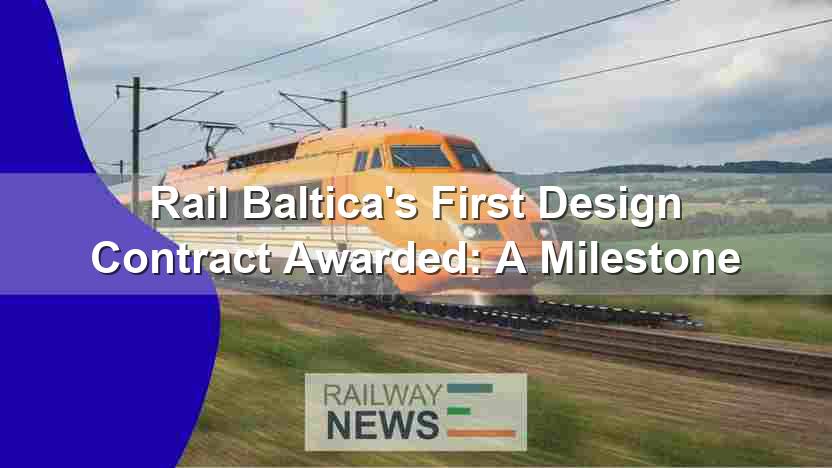
This article examines the significant awarding of the first design contract for the Rail Baltica (RB) main line, a crucial element in the development of a high-speed rail network connecting the Baltic states of Estonia, Latvia, and Lithuania with Poland and beyond. The selection process, the scope of the awarded contract, and its implications for the overall Rail Baltica project are discussed in detail. The project, a landmark undertaking in European rail infrastructure development, promises to transform regional connectivity, bolster economic growth, and enhance regional competitiveness. The analysis explores the technical specifications, the selection criteria, and the future prospects for the project, highlighting its significance within the broader context of European Union transportation policy. This detailed exploration provides insights into the complex challenges and strategic opportunities associated with large-scale infrastructure projects of this nature, focusing specifically on the key role of design in shaping the final product. This article argues that the successful execution of such a complex project demands meticulous planning and transparent procurement processes, drawing lessons from previous large-scale infrastructure endeavors across the globe.
The Pärnu-Rapla Section: A Key Component of Rail Baltica
The initial contract, awarded to IDOM Consulting, Engineering, Architecture (a Spanish firm), covers the design and supervision of construction for the 71-kilometer section of the Rail Baltica mainline running between Pärnu and Rapla in Estonia. This section is crucial as it represents a significant step in the implementation of the broader Rail Baltica project. The selection of IDOM, following a competitive bidding process involving four other submissions, underscores the importance of robust procurement procedures in ensuring value for money and high-quality design. Their proposal, selected for its cost-effectiveness (€6.802 million excluding VAT), demonstrates the balance between budget constraints and the need for a technically sound design. The contract’s scope encompasses detailed design for the railway substructure, superstructure (including track, signaling, and overhead lines), and associated civil structures, emphasizing the complexity of such a large-scale undertaking. This includes site investigations, value engineering (optimizing design to reduce costs without compromising functionality), master design, and the detailed technical design needed for construction. Additionally, IDOM’s responsibilities extend to design supervision throughout the construction phase.
IDOM’s Expertise and the Significance of High-Speed Rail Design
IDOM’s selection highlights their expertise in high-speed rail design, a critical aspect of the Rail Baltica project. Their experience with Spain’s extensive high-speed network, operating at speeds up to 310 km/h, brings valuable knowledge to the project. The design of a high-speed rail line requires specific considerations, including track alignment, gradients, curve radii, and the integration of advanced signaling systems. Optimal design minimizes construction time and costs, while ensuring safe, efficient, and comfortable operation at high speeds. The Pärnu-Rapla section, with its planned 16 road viaducts, six railway viaducts, nine animal passages, and four railway bridges, demonstrates the complexity of the terrain and the extensive civil engineering involved. The integration of these structures into the overall design requires meticulous planning and expertise to minimize environmental impact and disruption to existing infrastructure. The design will also need to accommodate future expansion and technological upgrades.
Procurement Process and Project Management
RB Rail’s decision to award the first contract exemplifies a phased approach to project development. By focusing on individual sections initially, RB Rail can manage risks effectively and gain valuable experience before undertaking larger, more complex phases. This strategy, focusing on detailed technical design of eleven procurement procedures, facilitates efficient project management, allows for timely feedback loops, and enables adaptive improvements throughout the process. This procurement strategy, involving rigorous evaluation of bids, not only ensures cost-effectiveness but also selects the most competent design firms for the intricate task of building the Rail Baltica line. The transparent nature of this process promotes accountability and builds confidence in the overall project’s execution. The focus on economic efficiency underlines the project’s commitment to responsible use of public funds.
Conclusions: Rail Baltica’s Promise and Challenges
The awarding of the first design contract for the Rail Baltica main line marks a significant milestone. The selection of IDOM, based on a competitive and transparent procurement process, highlights a commitment to quality and cost-effectiveness. The Pärnu-Rapla section, with its demanding specifications and extensive infrastructure requirements, serves as a critical testing ground for the overall project’s success. The project’s complexity underscores the importance of robust project management and the need for close collaboration among all stakeholders. The successful completion of this project will transform regional connectivity, stimulate economic growth, and enhance the Baltic states’ integration into the European transport network. However, challenges remain. Maintaining the project’s momentum, managing potential cost overruns, and ensuring effective coordination across national borders will be crucial for success. Effective communication and stakeholder engagement will be essential to mitigate potential opposition from local communities and environmental groups. The success of Rail Baltica depends on continued commitment to transparent procurement, effective project management, and the ability to adapt to changing circumstances throughout the implementation phases. Ultimately, the long-term success of the project will be judged by its ability to deliver a modern, efficient, and sustainable rail network that improves the lives of those in the region. The meticulous planning evident in the initial phase, characterized by rigorous bidding processes and the selection of highly qualified design firms, offers a promising start to this ambitious endeavor. This project provides a valuable case study for future large-scale infrastructure projects in Europe and beyond.

Railway infrastructure, rolling stock and transport technologies specialist focused on global rail industry developments, high-speed rail systems, signaling technologies and freight transportation. Covering railway investments, public transport modernization, rail operations and international mobility projects across Europe, Asia and North America.
RELATED POSTS

September 5, 2026 7:14 pm
HS2 Ltd signed renegotiated civils contracts with EKFB and Align...

September 6, 2026 4:12 am
Alstom delivered the first of 100 new G Class trams...
September 5, 2026 6:17 pm
Universal Signalling won a deal to install its U-Cross system...
September 7, 2026 4:15 pm
Zimbabwe approved the EUR 3 billion Harare Light Rail project,...
September 5, 2026 10:14 pm
MTA confirmed $600M in annual savings to balance New York's...
September 5, 2026 5:17 pm
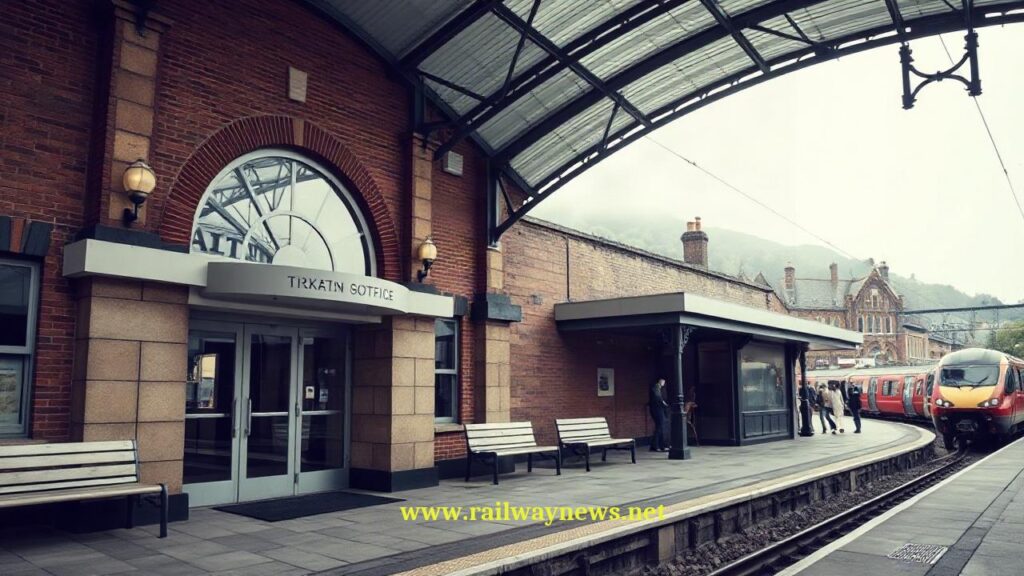
Chiltern Railways completed the Banbury Station ticket office and main...