
Rail Baltica: Atkins’ Infrastructure Management Guide
Rail Baltica’s success hinges on its infrastructure management. Discover how Atkins’ study defines the optimal model for this €5.8 billion project, ensuring long-term viability and economic efficiency.
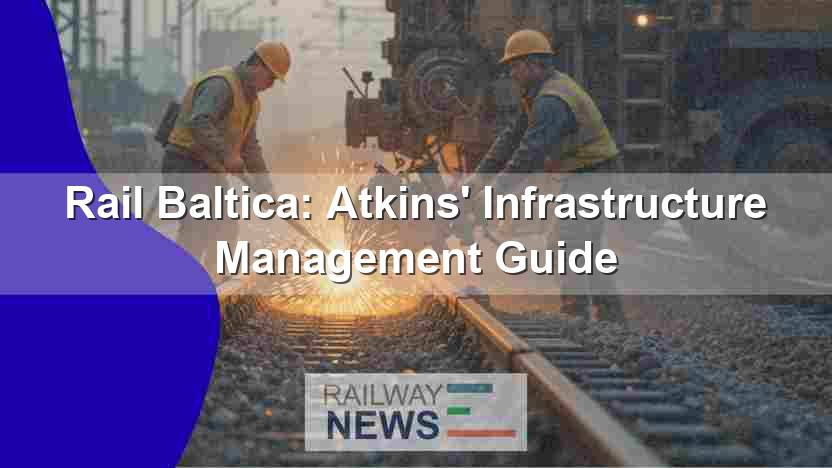
The Rail Baltica project, a €5.8 billion greenfield rail infrastructure undertaking, represents a significant endeavor to integrate the Baltic states (Estonia, Latvia, and Lithuania) into the European Union’s high-speed rail network. This ambitious project necessitates meticulous planning and foresight, particularly in the realm of long-term infrastructure management. This article explores the crucial Infrastructure Management Study commissioned by RB Rail (the contracting authority joint venture) and undertaken by Atkins, a member of the SNC-Lavalin Group. We will analyze the study’s objectives, methodology, and implications for the future success of Rail Baltica, highlighting the critical role of effective infrastructure management in ensuring the project’s long-term viability, economic efficiency, and seamless integration within the broader European rail system. The study’s findings will significantly influence future political decisions and EU funding, ultimately shaping the operational model and long-term sustainability of this crucial European infrastructure project. The analysis will explore the factors influencing the choice of the optimal model, the importance of stakeholder engagement, and the expected impact on the project’s overall success.
Defining the Optimal Infrastructure Management Model
The core objective of Atkins’ study is to identify the most effective model for managing Rail Baltica’s infrastructure across Estonia, Latvia, and Lithuania. This requires a detailed evaluation of various institutional, operational, and commercial factors. The assessment must consider diverse perspectives, including life-cycle costing (LCC), economic efficiency, and operational effectiveness. The optimal model will need to balance the need for centralized coordination with the realities of managing infrastructure across three distinct national contexts. This includes considering the varying regulatory frameworks, national priorities, and potential impacts on local economies in each of the Baltic states. The choice will significantly impact future maintenance strategies, asset renewal planning, and overall project cost-effectiveness over the project’s expected lifespan.
Stakeholder Engagement and Transparency
Effective infrastructure management necessitates collaboration. The Atkins study emphasizes the importance of consulting local stakeholders and future transport users. This participatory approach ensures that the chosen management model addresses the specific needs and concerns of all impacted parties. By engaging local communities and user groups, the project can mitigate potential conflicts, build public support, and foster a sense of ownership and responsibility towards the successful operation of the rail system. Moreover, transparency throughout the decision-making process enhances accountability and strengthens the project’s standing among EU institutions, bolstering future funding prospects. This level of engagement contributes to the creation of a resilient and adaptable management structure capable of evolving alongside the needs of the users and the political landscape.
Economic and Socio-Economic Impacts
The Rail Baltica project’s success extends beyond mere infrastructure development. The study will assess the long-term value of the infrastructure and its socio-economic return on investment (ROI) for both national economies and the European Union. A robust economic analysis is critical for justifying continued EU funding and demonstrating the project’s contribution to regional economic growth and integration. The economic analysis must incorporate factors such as job creation, reduced transportation costs, improved regional connectivity, and increased trade opportunities. By demonstrating a positive and quantifiable economic and socio-economic impact, Rail Baltica can solidify its position as a vital component of Europe’s integrated transportation network.
Long-Term Sustainability and Future-Proofing
Rail Baltica’s infrastructure is intended to serve the Baltic states for many decades to come. The Infrastructure Management Study is crucial for ensuring the long-term sustainability and adaptability of the system. The study needs to consider technological advancements, changing transportation demands, and potential environmental challenges. This demands a forward-looking approach to infrastructure design and management that incorporates flexible maintenance strategies, environmentally sustainable practices, and a capacity to accommodate future technological upgrades. This future-proofing approach is fundamental to ensuring the long-term viability of the project and maximizing its overall contribution to regional development.
Conclusions
Atkins’ Infrastructure Management Study for Rail Baltica is a pivotal step in realizing the vision of a fully integrated Baltic rail network. The study’s findings will provide the foundation for all future activities, shaping the operational model, ensuring economic efficiency, and influencing EU support for the project. The emphasis on stakeholder engagement, transparency, and a detailed economic analysis is crucial for building trust, securing funding, and delivering a rail system that meets the needs of the Baltic states and the broader European Union. By identifying the optimal infrastructure management model and integrating strategies for long-term sustainability and adaptability, the study will contribute significantly to the project’s overall success and lasting impact on the regional and European economy. The selected model must be robust, efficient, and flexible enough to handle not only the current operational demands but also to anticipate and adapt to the changing needs of future generations, maximizing the long-term return on investment and demonstrating the long-term viability of Rail Baltica as a truly successful and impactful railway project.

Railway infrastructure, rolling stock and transport technologies specialist focused on global rail industry developments, high-speed rail systems, signaling technologies and freight transportation. Covering railway investments, public transport modernization, rail operations and international mobility projects across Europe, Asia and North America.
RELATED POSTS

September 6, 2026 4:12 am
Alstom delivered the first of 100 new G Class trams...

September 5, 2026 7:14 pm
HS2 Ltd signed renegotiated civils contracts with EKFB and Align...
September 5, 2026 6:17 pm
Universal Signalling won a deal to install its U-Cross system...
September 7, 2026 4:15 pm
Zimbabwe approved the EUR 3 billion Harare Light Rail project,...

September 5, 2026 10:14 pm
MTA confirmed $600M in annual savings to balance New York's...
September 6, 2026 8:12 pm
MBTA confirmed Red Line is slow zone-free for the first...