
Pukekohe Station: NZ Rail’s Electric Future
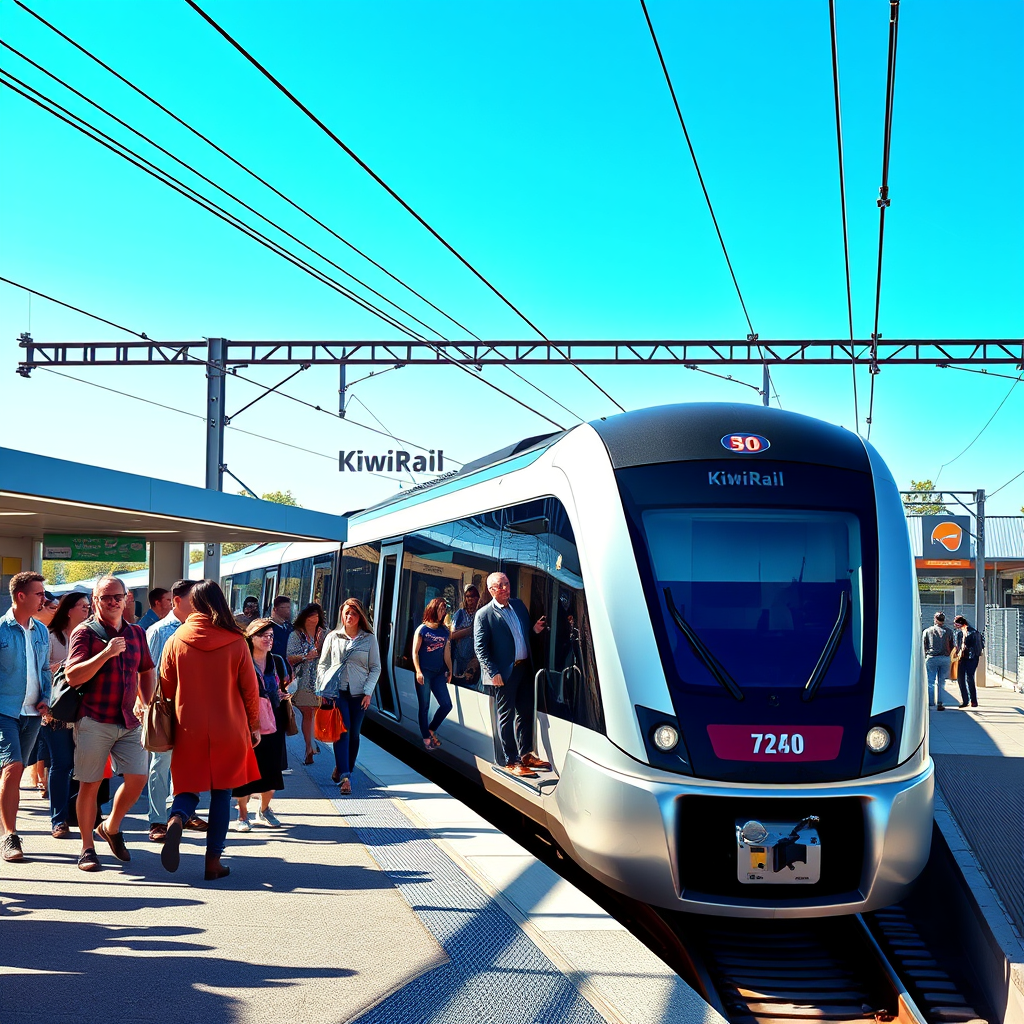
This article examines the recent reopening of Pukekohe Station in New Zealand following a significant upgrade and the extension of the country’s electric rail network. The project, spearheaded by KiwiRail, represents a crucial step towards modernizing New Zealand’s railway infrastructure, improving connectivity, and enhancing the overall passenger experience. The electrification of the rail line from Papakura to Pukekohe, coupled with station improvements and the integration with existing bus services, signifies a substantial investment in sustainable and efficient public transportation. This initiative not only benefits the residents of Pukekohe and surrounding areas but also sets a precedent for future rail development projects in New Zealand, contributing to the broader goals of urban planning and sustainable transportation within the Auckland region and beyond. The completion of this project also foreshadows the imminent opening of the City Rail Link (CRL), further enhancing Auckland’s rail network capabilities. The integration of these improvements highlights a strategic approach to developing a comprehensive and efficient public transport system.
Electrification and Network Expansion
The core of the Pukekohe Station upgrade lies in the electrification of the rail line extending from Papakura. This significant undertaking involved the installation of over 800 mast structures supporting nearly 130 kilometers of overhead electric lines (OHLE). The transition from diesel to electric locomotives offers several key advantages. Electric trains are inherently quieter and cleaner, reducing noise pollution and minimizing the environmental impact associated with diesel emissions. This shift aligns with global efforts towards sustainable transportation and contributes to improved air quality in the region. The project’s success hinges on the robust infrastructure created, paving the way for faster, more frequent, and reliable electric train services.
Pukekohe Station Improvements and Integrated Transport
Beyond the electrification, the Pukekohe Station itself underwent substantial renovations to accommodate the new electric train services. These improvements ensure passenger comfort and convenience. The station’s upgrade complements the existing redeveloped bus interchange, which opened in 2018, creating a more integrated public transport hub. This integrated approach is crucial for enhancing the overall efficiency of the transportation system and encouraging commuters to opt for public transportation over private vehicles. The seamless connection between train and bus services allows for wider regional accessibility, facilitating travel to and from Pukekohe and the broader Auckland area.
Benefits and Economic Impact
The improved rail link provides significant benefits to the residents of Pukekohe and the surrounding areas. The journey time to Auckland’s city center has been reduced by 25 minutes compared to the previous route involving a bus transfer at Papakura. This translates to significant time savings for commuters, increasing productivity and improving quality of life. Furthermore, the project stimulates economic activity in the region. Improved transport links often attract investment and facilitate business growth, contributing to a more prosperous local economy. The cleaner and quieter electric trains also enhance the overall environment, making the region more attractive to live and work in.
Strategic Implications and Future Developments
The Pukekohe project is not an isolated initiative but forms part of a broader strategic plan to modernize New Zealand’s railway infrastructure. The success of this project paves the way for future electrification projects and demonstrates the government’s commitment to sustainable transportation. The imminent opening of the City Rail Link (CRL) in 2026 will further enhance the connectivity and efficiency of Auckland’s rail network. The combined effects of the Pukekohe electrification and the CRL are expected to significantly impact Auckland’s transportation system, improving accessibility, reducing congestion, and promoting sustainable urban development. This demonstrates a forward-thinking approach to urban planning, prioritizing efficient and environmentally responsible public transportation.
Conclusion
The reopening of Pukekohe Station, following its extensive upgrade and the electrification of the rail line from Papakura, marks a significant milestone in New Zealand’s railway modernization efforts. The project’s success demonstrates the transformative power of investing in sustainable and efficient public transportation. The benefits extend beyond improved journey times and enhanced passenger comfort, encompassing reduced environmental impact, improved regional connectivity, and stimulated economic activity. The integration with the existing bus interchange and the anticipation of the City Rail Link (CRL) underscore a holistic approach to urban planning that prioritizes efficient and accessible public transportation. This project serves as a model for future rail development initiatives in New Zealand and elsewhere, highlighting the importance of strategic planning and investment in modernizing railway systems to meet the evolving needs of a growing population and a commitment to environmental sustainability. The quieter, cleaner, and more efficient electric train service not only enhances the daily commute for residents but also contributes to a more sustainable and environmentally conscious future for the region and sets a positive example for other urban centers facing similar transportation challenges.
RELATED POSTS

July 3, 2017 1:04 am
Here's a voiceover-friendly excerpt tailored for railway professionals:"The future of...
August 19, 2019 1:02 am
Modernizing Sri Lanka’s Railway System: A Comprehensive Overview This article...
March 20, 2017 1:12 am
"Network Rail's Todmorden Curve project revitalized rail connectivity, slashing journey...
October 8, 2022 4:54 am
This article examines the MetroLink project, a significant undertaking in...
February 1, 2020 7:29 am
This article analyzes the UK government’s takeover of the Northern...
August 25, 2020 5:32 pm
This article examines the significant role of Kone Corporation in...