
Portishead-Bristol Rail Line: A UK Rail Success Story
Reopening the Portishead-Bristol rail line: A £31 million investment showcasing innovative solutions in UK rail infrastructure. Learn how this project overcomes challenges and delivers real regional benefits!
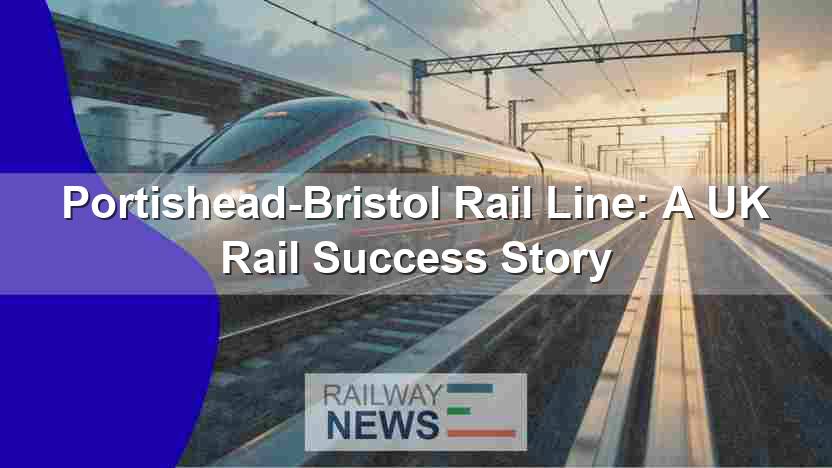
This article examines the significant investment in reopening the Portishead-Bristol rail line in the United Kingdom, focusing on the complexities of such large-scale infrastructure projects. The £31 million funding commitment from the Department for Transport (DfT) marks a crucial step in the MetroWest Phase 1 scheme, highlighting the government’s prioritization of regional transport improvements and the economic benefits associated with enhanced rail connectivity. The project’s success hinges on various factors, including securing necessary planning permissions, managing stakeholder expectations, and navigating the logistical challenges of modernizing aging railway infrastructure. This analysis will delve into the planning process, the technical aspects of the project, the economic impacts, and the broader implications for future rail development in the UK. We will explore the challenges overcome, the lessons learned, and the potential for this project to serve as a model for similar revitalization schemes across the country.
Securing Funding and Approvals
The securing of £31 million in funding from the DfT for the MetroWest Phase 1 scheme was a critical milestone. This significant financial commitment underscores the government’s recognition of the project’s strategic importance in improving regional connectivity and alleviating traffic congestion in the Bristol area. The funding announcement followed a previous unsuccessful bid, demonstrating the perseverance and strategic planning required for such ambitious undertakings. Obtaining the necessary Development Consent Order (DCO) from the DfT, a prerequisite for all major infrastructure projects, remains a crucial next step, signaling the commencement of major construction works.
Project Scope and Technical Challenges
MetroWest Phase 1 encompasses the reopening of the Portishead branch line, closed since 1964, with the construction of two new stations at Portishead and Pill. This requires significant track refurbishment, signaling upgrades, and the integration of the line with the existing Bristol network. Additionally, the project involves substantial improvements to passenger services along the Severn Beach and Bristol to Bath lines, requiring careful planning and coordination to minimize disruption to existing services during construction. These upgrades will necessitate complex engineering solutions, possibly involving track realignment, bridge repairs, and the installation of modern signaling systems to improve operational efficiency and safety.
Stakeholder Engagement and Community Impact
Successful project delivery demands effective engagement with a diverse range of stakeholders, including local councils (North Somerset Council, West of England Combined Authority, South Gloucestershire, Bristol City and Bath, and North East Somerset councils), residents, businesses, and environmental groups. Addressing concerns about potential noise pollution, disruption during construction, and the impact on local ecosystems is essential to garner public support and ensure the project’s smooth implementation. This collaborative approach will foster transparency, build trust, and mitigate potential conflicts, leading to a more efficient and socially acceptable outcome.
Economic and Social Benefits
The reopened Portishead-Bristol rail line promises significant economic and social benefits. Improved connectivity will stimulate economic growth in the region by facilitating easier access to employment opportunities, educational institutions, and leisure facilities. Reduced reliance on cars will contribute to decreased traffic congestion, improved air quality, and a reduction in carbon emissions. The creation of new jobs during the construction phase and the long-term employment opportunities associated with the operation of the railway line will positively impact the local economy. The accessibility provided by the rail line will also benefit residents in terms of travel convenience and reduced travel time, promoting social inclusion and enhancing overall quality of life.
Conclusion
The reopening of the Portishead-Bristol rail line, made possible by the substantial DfT funding commitment, represents a significant step forward in improving regional transport infrastructure in the UK. This project showcases the intricate process involved in large-scale rail infrastructure development, encompassing the securing of funding, overcoming technical challenges, engaging diverse stakeholders, and realizing the broader economic and social benefits. The successful completion of MetroWest Phase 1 will not only enhance connectivity and alleviate traffic congestion in the Bristol area but also serves as a valuable case study for future rail revitalization projects across the country. Lessons learned from this undertaking, particularly regarding stakeholder engagement, logistical planning, and the effective management of resources, can be applied to similar endeavors, promoting more efficient and effective rail infrastructure development throughout the UK. The project’s success in navigating the complexities of securing approvals, implementing technical upgrades, and managing community expectations will serve as a benchmark for future large-scale rail infrastructure projects, illustrating the potential for transformative improvements in regional transport networks and the associated benefits for local communities and the national economy. The long-term economic and social gains, coupled with the potential for environmental improvements, emphasize the significance of this project and its potential to act as a template for similar regeneration efforts.

Railway infrastructure, rolling stock and transport technologies specialist focused on global rail industry developments, high-speed rail systems, signaling technologies and freight transportation. Covering railway investments, public transport modernization, rail operations and international mobility projects across Europe, Asia and North America.
RELATED POSTS

October 4, 2026 5:14 pm
Alstom secured a CA$4.7 billion order from VIA Rail Canada...

October 1, 2026 12:13 am
Illinois approved $1.5 billion annually for the Northern Illinois Transit...

October 8, 2026 1:15 pm
Alstom secured a €1bn contract to build 13 automated trains,...
October 1, 2026 3:12 am
Greenbrier confirmed Brian Comstock as new president and CEO effective...
October 1, 2026 10:14 am
HS2 installed a 55-metre steel span in Birmingham, completing phase...

October 4, 2026 11:08 pm
Sound Transit confirmed the September 30 opening of Seattle Pinehurst...