
Poland’s Rail Revolution: Koleje Małopolskie’s $335M EMU Upgrade
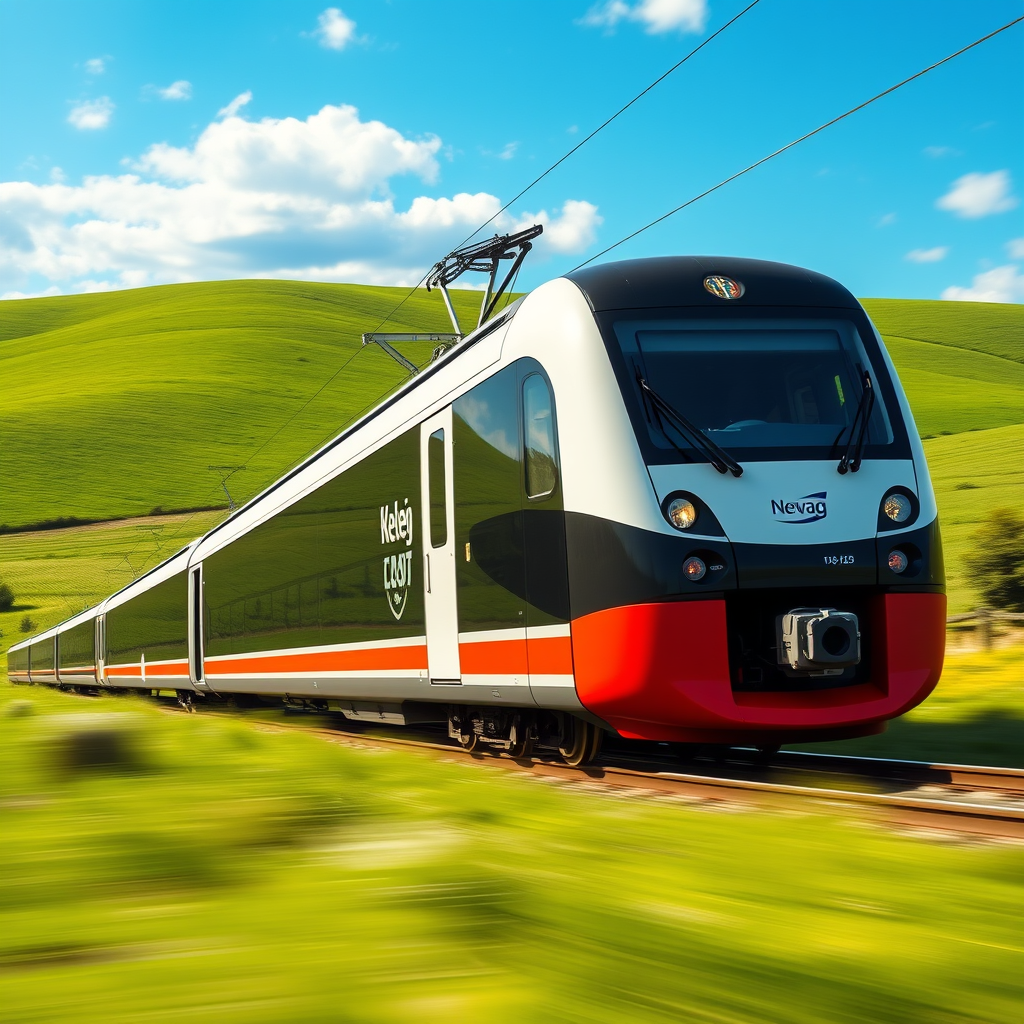
This article examines the significant investment by Koleje Małopolskie (KM), a Polish railway operator, in acquiring 25 new electric multiple units (EMUs) from the domestic manufacturer Newag. This $335 million (1.3 billion zlotys) agreement represents a substantial commitment to modernizing rail infrastructure in the Małopolska region and significantly improving passenger service. The procurement is not an isolated event but rather part of a broader trend of European Union (EU)-funded rail infrastructure development in Poland, indicative of a strategic shift towards sustainable and efficient public transport. The article will delve into the financial aspects of the project, the technological advancements embodied in the new EMUs, the anticipated impact on passenger numbers and overall regional development, and the broader context of EU funding’s role in shaping Poland’s railway modernization efforts. The analysis will explore the implications of this investment for both the Małopolska region and the Polish railway system as a whole, highlighting the potential for economic growth and improved quality of life.
Funding and Financing
The acquisition of the 25 EMUs is financed primarily through EU grants channeled to the Małopolska region via the National Recovery and Resilience Plan for Poland and the EU funds for Infrastructure, Climate, and Environment (2021-2027). This significant EU contribution underscores the importance placed on sustainable transportation infrastructure development within the EU’s broader economic and environmental policy goals. The framework agreement, with an initial firm order for six trains by 2027 and options for an additional nineteen, demonstrates a phased approach to implementation, allowing for financial management and project monitoring throughout the process. This approach minimizes financial risk and allows for adjustments based on evolving operational needs and passenger demand. The significant financial commitment from both the EU and the Małopolska regional government underscores the project’s importance to regional development and economic growth.
Technological Advancements and Passenger Experience
The new EMUs are designed with significant improvements in passenger comfort and accessibility. Each train will accommodate approximately 550 passengers, offering a considerable increase in capacity compared to older rolling stock. Key features include integrated boarding ramps, dedicated areas for luggage and bicycles, and accessible restrooms designed for passengers with disabilities. These advancements significantly enhance accessibility and inclusivity, making rail travel more convenient and comfortable for a wider range of passengers. The focus on passenger experience is a critical aspect of the modernization effort, aiming to attract new riders and increase overall ridership. The incorporation of modern technologies within the EMUs will also contribute to improved operational efficiency and reduced maintenance costs.
Impact on Regional Development and Passenger Numbers
The projected increase in passenger numbers from seven million annually in 2014 to 22 million in 2024 underscores the anticipated impact of this investment on the Małopolska region. The improved rail service, enabled by the new EMUs, is expected to stimulate economic growth by improving regional connectivity and facilitating travel for commuters and tourists alike. The increased capacity and improved accessibility directly address the growing demand for efficient and reliable public transport. This influx of passengers is anticipated to positively affect related sectors, such as tourism and local businesses, further bolstering regional economic development. The modernization project is thus not merely about upgrading infrastructure but also about fostering regional economic prosperity.
Broader Context: EU Investment in Polish Rail
The Koleje Małopolskie investment is part of a broader trend of EU-funded railway modernization projects in Poland. The recent $802 million order by Koleje Mazowieckie (KM) for 50 FLIRT trains from Stadler serves as a relevant example. This concerted effort reflects the EU’s commitment to supporting sustainable transport development across member states. These investments have far-reaching implications, contributing to improved connectivity, reduced carbon emissions, and economic growth. The strategic use of EU funds to upgrade aging rail infrastructure signals a significant long-term commitment to sustainable transportation solutions in Poland. This emphasis on modernizing rail infrastructure positions Poland at the forefront of European efforts to transition towards more environmentally friendly and efficient transportation systems.
Conclusions
The Koleje Małopolskie’s acquisition of 25 new EMUs represents a significant investment in modernizing the rail network in the Małopolska region of Poland. This $335 million project, largely funded by EU grants, reflects a commitment to improving passenger transport, boosting regional economic development, and enhancing Poland’s rail infrastructure. The new trains’ improved accessibility features, increased passenger capacity, and incorporation of modern technologies directly address existing challenges and future demands. The projected increase in passenger numbers, from seven million in 2014 to a projected 22 million in 2024, highlights the project’s significant positive impact on the region. Moreover, this investment is part of a larger trend within Poland – utilizing substantial EU funding to modernize its railways, creating a more efficient, sustainable, and accessible transportation network. This strategic investment not only addresses the immediate needs of the Małopolska region but contributes to a broader vision of sustainable development within Poland and the European Union. The success of this initiative can serve as a model for future railway modernization projects in other regions of Poland and across the EU, demonstrating the potential for collaborative, EU-funded initiatives to drive significant positive change within the transportation sector.
RELATED POSTS

June 11, 2017 11:58 pm
Modernize your railway infrastructure for enhanced efficiency. From advanced tracks...
May 16, 2022 10:52 am
This article explores the implementation of advanced passenger counting technology...
December 17, 2025 9:39 am
FTA slams Milwaukee over "rampant" fare evasion, demanding action by...
October 15, 2025 12:54 am
Caltrain's electric trains will receive annual compensation for power returned...

July 12, 2025 1:34 am
Logistics UK extends 2025 awards deadline for rail sector excellence....

Introduction This article analyzes the recent agreement securing funding for...