
Poland’s High-Speed Rail Revolution: ERTMS/ETCS Level 2 on E65

This article explores the significant technological advancement achieved in Poland’s railway infrastructure with the implementation of a state-of-the-art European Rail Traffic Management System (ERTMS)/European Train Control System (ETCS) Level 2 signaling solution on the E65 railway line. The E65 line, a crucial artery connecting Warsaw and Gdynia, is undergoing modernization to enhance speed and safety. This project, a collaborative effort between Alstom, Thales, and Nokia, represents a landmark achievement in Polish railway history, setting a precedent for future high-speed rail deployments across the country and highlighting the integration of advanced technologies for improved railway operations. The successful implementation not only boosts efficiency and safety but also underscores Poland’s commitment to modernizing its transportation infrastructure for economic and social progress. The following sections detail the project’s scope, technological components, and the resulting benefits for the Polish railway network.
High-Speed Signaling and Infrastructure Upgrades
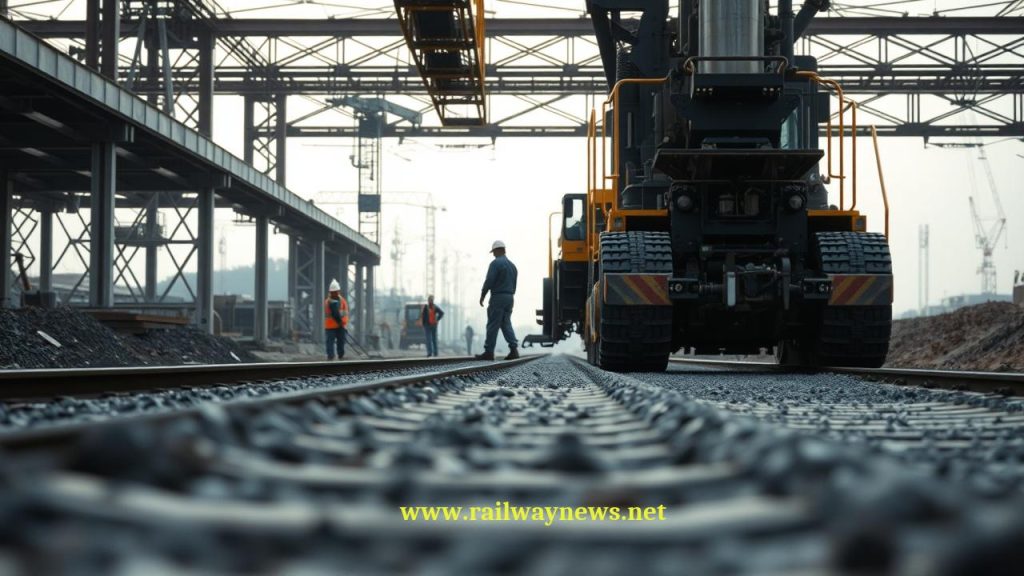
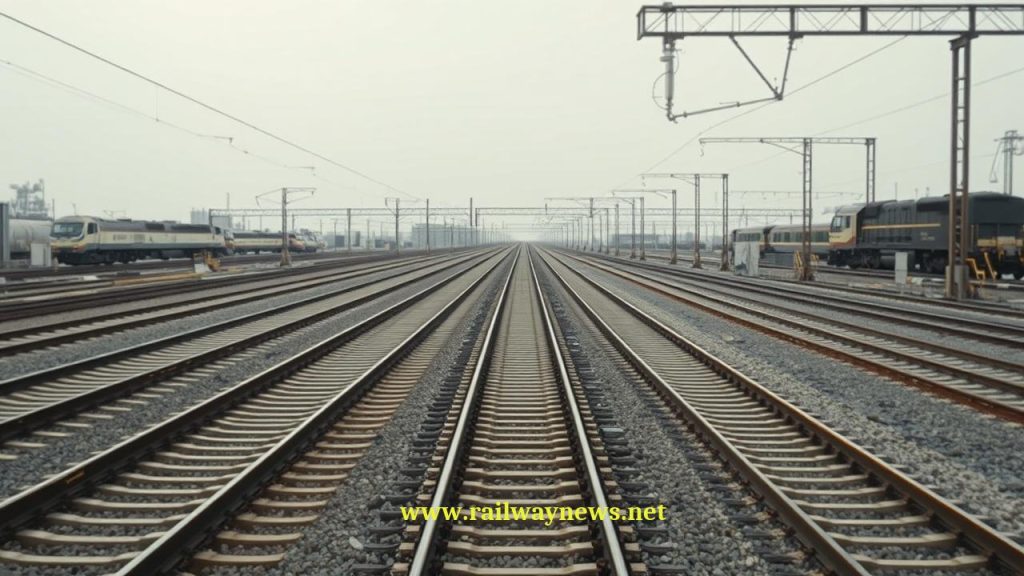
The core of this project involved the design and implementation of an ERTMS/ETCS Level 2 signaling system across the 350km E65 line, encompassing 35 stations. ERTMS/ETCS (European Rail Traffic Management System/European Train Control System) is a signaling system designed to enhance interoperability and safety across European railways. Level 2 signifies a high level of automation, allowing for increased train speeds and reduced headway (the minimum distance between trains). This upgrade permits train operation at speeds up to 200 km/h, significantly reducing travel times between Warsaw and Gdynia. This speed increase necessitates robust infrastructure, including upgraded tracks, signaling systems, and communication networks. The project also incorporated improvements to eight Integrated Control Rooms, providing enhanced monitoring and control capabilities for railway dispatchers.
Technological Synergy: A Collaborative Approach
The successful delivery demonstrates the power of collaboration within the rail industry. Alstom and Thales Polska took the lead in designing and implementing the ERTMS/ETCS Level 2 signaling solution. Thales’ expertise in signaling and train control systems was crucial for ensuring seamless integration with existing infrastructure. Meanwhile, Nokia’s contribution focused on providing the Global System for Mobile Communications – Railway (GSM-R) system, a vital component for reliable, high-speed data communication between trains and control centers. GSM-R is essential for real-time monitoring and control of train movements, ensuring safety and operational efficiency. The seamless integration of these technologies showcases the benefits of a collaborative approach to complex railway infrastructure projects.
Turnkey Solutions and Integrated Systems
Beyond the core signaling system, the consortium provided a range of integrated solutions, creating a comprehensive upgrade package. This included the delivery of turnkey solutions for dispatcher centers, encompassing advanced remote traffic control and management systems. These systems provide centralized control over train operations, optimizing traffic flow and maximizing efficiency. Additionally, the project integrated a modern passenger information system, enhancing the travel experience for commuters. CCTV (Closed-Circuit Television) solutions were also implemented, bolstering security and monitoring capabilities across the entire line. The complete, integrated nature of the solution underscores the project’s ambition to deliver a truly modernized and efficient railway system.
Economic and Social Impact
The successful completion of this project holds significant economic and social implications for Poland. The increased speed and efficiency of the E65 line will reduce travel times, improving connectivity between major cities. This improved connectivity will benefit both passengers and freight transportation, enhancing Poland’s economic competitiveness. The modernization also enhances safety, reducing the risk of accidents and improving overall reliability. Moreover, the project serves as a model for future high-speed rail development in Poland and across Europe, demonstrating the feasibility and benefits of deploying advanced signaling technologies. The investment in modern infrastructure signifies a commitment to long-term economic growth and improved quality of life for Polish citizens. The introduction of ERTMS/ETCS Level 2, alongside the other technological advancements, sets a new benchmark for railway modernization in Poland, impacting various sectors from passenger transport to freight logistics.
Conclusion
The successful delivery of the ERTMS/ETCS Level 2 signaling solution for Poland’s E65 railway line marks a pivotal moment in the nation’s railway modernization efforts. The collaboration between Alstom, Thales, and Nokia demonstrates the power of industry collaboration in delivering complex, large-scale infrastructure projects. The implementation of advanced signaling technology, integrated with GSM-R communication and comprehensive control center upgrades, has significantly enhanced safety, speed, and efficiency on the line. The project’s impact extends beyond the E65 line itself; it establishes a precedent for future high-speed rail development in Poland, fostering economic growth and improved connectivity. The successful deployment of this technology not only upgrades the railway system but also lays the groundwork for future expansion and integration within the wider Trans-European Transport Network (TEN-T). The benefits, ranging from reduced travel times and improved passenger experience to enhanced freight logistics and economic competitiveness, clearly demonstrate the transformative potential of strategic investments in modern railway infrastructure. The project’s success serves as an inspiring example of how technological advancements and collaborative partnerships can drive substantial progress in the rail industry, offering valuable insights for future railway modernization endeavors globally.
RELATED POSTS
April 1, 2026 12:10 pm
Alstom secured a €410 million contract from CFR SA to...

April 1, 2026 4:31 pm
Network Rail upgraded Berrylands station platforms for £6 million, replacing...
April 1, 2026 6:21 pm
Federal Transit Administration awarded $20.6 billion in formula-based apportionments to...