
PLK SA & CPK Transform Wroc?aw Rail Hub with High-Speed & Freight
PLK SA and CPK partner to revolutionize Wrocław railway hub. High-speed rail, enhanced freight, and station upgrades boost rail transport by 2034.
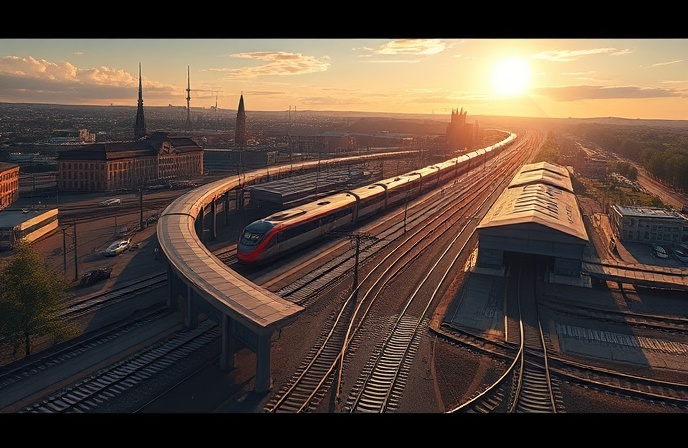
PLK SA and CPK have inked a pivotal agreement to spearhead the detailed development of the Wrocław railway hub, aiming to revolutionize urban, regional, and freight transport across Lower Silesia. This strategic collaboration will usher in high-speed rail connectivity to Wrocław Central Station and significantly enhance passenger and freight service capabilities by 2034.
| Key Entity | Critical Detail |
|---|---|
| PLK SA & CPK | Agreement signed for Wrocław railway hub development. |
| Key Development | Introduction of high-speed rail to Wrocław Central Station; reconstruction of Psie Pole – Sołtysowice section; revival of Wrocław Świebodzki station. |
| Timeline | Tender launch for Psie Pole – Sołtysowice by end of 2024; project completion by end of 2034; Kolej+ program deployment in 2029. |
| Strategic Impact | Enhanced urban and regional connections, improved freight services, integration of high-speed rail with existing infrastructure. |
The transformative project, a cornerstone of Poland’s railway modernization efforts, will see high-speed trains reaching Wrocław Central Station from the direction of Jelcz-Laskowice and Brochów. This integration is critical for seamless passenger journeys and will necessitate the longest platforms at the central station to accommodate efficient transfers between intercity, regional, and high-speed services. The synergy between CPK’s high-speed network design and PLK’s existing infrastructure management is paramount, extending beyond long-distance travel to foster the growth of suburban, regional, and freight operations.
Strategic Impact and Connectivity Enhancement
By the end of 2034, PLK SA, with secured funding, plans to tackle the challenges of dynamic railway development. A tender for the reconstruction of the Psie Pole – Sołtysowice section of railway line no. 143 will be launched imminently. This vital upgrade will boost capacity for the Oleśnica and Trzebnica directions, paving the way for increased metropolitan connections and a more robust regional network. The agreement also includes a commitment for PLK to collaborate with the City of Wrocław on elevating the Wrocław-Sobótka-Świdnica line onto a viaduct over Buforowa Street, a move set to bolster safety, streamline public transport, and improve regional links to Świdnica.
Revitalizing Freight and Regional Access
The modernization extends to Wrocław’s rail freight bypass, a critical component for improving regional train travel and enhancing connectivity to the southern parts of the city. This new infrastructure is envisioned not only for dedicated freight transport but also as a metropolitan bypass with new stops. Additionally, Wrocław Świebodzki station is slated for a significant revival. Under the Kolej+ program, by 2029, trains will operate from the rebuilt station towards Środa Śląska, Wołów, and Kąty Wrocławskie. Through track layout reconstruction at the Grabiszyn junction, the station will eventually serve trains bound for Trzebnica, Rawicz, and Oleśnica, transforming it from a metropolitan-only facility to a hub for interregional connections, while also playing a key role in improving freight transport conditions within the Wrocław railway junction.
Freight Network Expansion
Last June 2025, we published an article about Renfe’s cutting-edge Aranjuez maintenance hub. Click here to read – Future of Rail: Renfe’s Railway Technology Hub, Aranjuez: Essential Guide
Industry Context
The strategic alignment between PLK SA and CPK signifies a critical step forward in modernizing Poland’s rail infrastructure, directly addressing the pressing need for integrated high-speed and regional networks. For industry leaders, this development highlights a significant investment in future-proofing rail transport, enhancing its competitiveness against other modes and unlocking new economic opportunities through improved logistics and passenger mobility. The focus on freight bypasses and station revitalization underscores a holistic approach to network efficiency, critical for supply chain resilience and economic growth across Lower Silesia and beyond.

Railway infrastructure, rolling stock and transport technologies specialist focused on global rail industry developments, high-speed rail systems, signaling technologies and freight transportation. Covering railway investments, public transport modernization, rail operations and international mobility projects across Europe, Asia and North America.
RELATED POSTS

October 8, 2026 1:15 pm
Alstom secured a €1bn contract to build 13 automated trains,...

October 4, 2026 5:14 pm
Alstom secured a CA$4.7 billion order from VIA Rail Canada...

October 1, 2026 12:13 am
Illinois approved $1.5 billion annually for the Northern Illinois Transit...

October 6, 2026 2:14 am
Union Pacific launched export rail shipments with Ferromex to deliver...

October 4, 2026 11:08 pm
Sound Transit confirmed the September 30 opening of Seattle Pinehurst...

October 5, 2026 6:12 pm
AECOM and Jacobs secured a contract in September 2026 to...