
Pittsburgh Transit Crisis: Service Cuts, Funding and Rail’s Future
Pittsburgh Transit faces service cuts, fare hikes due to $100M deficit, sparking rider opposition. Reduced light-rail, Silver Line slated for elimination.
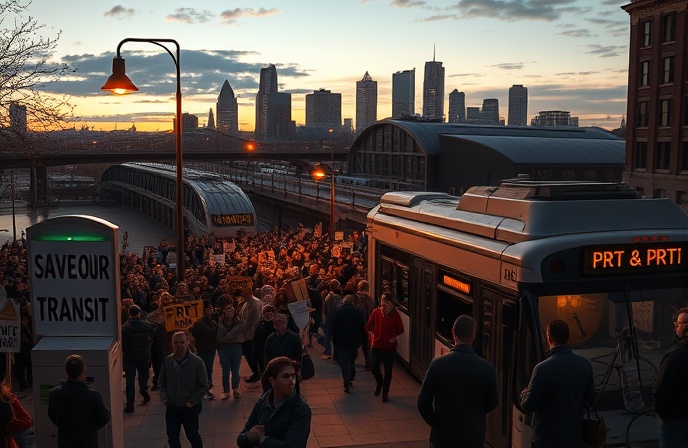
Pittsburgh Transit Riders Rail Against Service Cuts and Fare Hikes
Pittsburgh Regional Transit (PRT) is facing a significant financial crisis, with proposed service reductions and fare increases drawing strong opposition from riders. This announcement follows the release of a summary of public comments regarding the proposed measures. The core issue centers around a projected $100 million operating budget deficit, a figure PRT officials attribute to a combination of factors: stagnant state funding, the impact of rising inflation on operational costs, and a sustained decline in ridership since the COVID-19 pandemic. PRT is seeking a long-term solution to stabilize its finances. The situation underscores the critical need for adequate public funding for the transportation sector. This article will analyze the proposed cuts, the reasons behind them, and the potential implications for both PRT and the broader public transportation landscape in Pittsburgh, Pennsylvania.
Public Outcry and Proposed Measures
The public response to PRT’s proposals has been overwhelmingly negative, as revealed by a recent public comment summary. Riders have voiced strong opposition to the proposed fare hikes and service reductions, emphasizing the importance of accessible and affordable public transit. In an effort to mitigate the $100 million deficit, PRT has put forward a series of drastic measures. The most significant is a 35% reduction in light-rail service, slated to begin in February 2026. In addition, the proposals include the elimination of the Silver Line light-rail service, reductions in service frequency across other routes, an increase in the base fare from $2.75 to $3, and cuts to paratransit and certain extra services. These cuts are deemed necessary to address the budget shortfall, but they are clearly impacting riders and their transit needs.
Causes and Financial Pressures
The financial predicament facing PRT is largely attributed to a confluence of economic and political factors. The most critical factor is the lack of sufficient state funding, a long-standing issue that has left the transit agency struggling to meet its operational needs. The budget shortfall is further exacerbated by persistent inflation, which is increasing the costs of everything from fuel and maintenance to labor and parts. Finally, the sustained impact of the COVID-19 pandemic has resulted in a considerable decline in ridership, as commuters have shifted to remote work arrangements and other means of transport. These combined pressures have created a perfect storm, forcing PRT to consider these unpopular measures.
Advocacy for Long-Term Funding Solutions
In response to the crisis, PRT officials are actively advocating for a sustainable, long-term funding solution to stabilize its operations. This includes exploring options such as a potential state sales tax dedicated to public transportation. According to PRT officials, securing consistent and reliable funding is crucial to preventing further service cuts and fare increases. Furthermore, the overwhelming public disapproval of the proposed changes strengthens their argument for a fully funded public transportation system that benefits both riders and the greater Pittsburgh economy. The company’s strategy is to appeal to the state to develop a plan to resolve their financial issues by increasing state funding.
Conclusion
The current situation at Pittsburgh Regional Transit exemplifies the broader challenges facing public transportation agencies across the United States. The combination of inadequate funding, rising operational costs, and shifting ridership patterns creates a precarious financial environment. The widespread opposition to PRT’s proposed service cuts and fare increases underscores the critical need for a robust and sustainable funding model for public transit. The push for a state sales tax dedicated to public transport is a positive sign that may help to avoid cuts and allow them to better serve the community. The implications of this are clear: continued underfunding could lead to a downward spiral of reduced service, decreased ridership, and further financial instability. The industry must find innovative solutions that provide stable, long-term funding. The outcome in Pittsburgh will likely inform debates in other cities facing similar constraints, affecting the future of public transit in Pittsburgh and potentially the nation as a whole.
RELATED POSTS
Union Pacific earned an 80% top Class I railroad intermodal...

March 6, 2026 12:10 pm
Consortium Announces Digital Services Platform for UK Rail Sector A...
March 5, 2026 7:57 pm
Banedanmark launched battery train operations on Denmark's 67 km Skjern–Holstebro...
March 4, 2026 10:12 am
Amtrak and Siemens deploy 8 Airo trains for the U.S....
March 5, 2026 4:23 am
Renfe suspends Spain rail services on Madrid-Andalusia corridor until February...
March 6, 2026 4:07 pm
Digital Subscription Market Analysis Q1 2026 Analytics firm Antenna confirmed...