
Piccadilly Line’s 19mm Problem: A Rail Upgrade Crisis
Introduction
This article delves into the complexities surrounding the integration of new rolling stock on London’s Piccadilly Line. Transport for London (TfL) has acknowledged the necessity for platform modifications to accommodate the wider Siemens Mobility Inspiro London trains. This seemingly minor discrepancy of 19mm between the existing 1973 rolling stock (2,629mm wide) and the new trains (2,648mm wide) necessitates significant engineering work. The implications extend beyond simple platform widening, impacting passenger safety, operational efficiency, and the overall project timeline. The unveiling of this challenge, despite publicly available design specifications since March 2021, raises questions about project planning and oversight. This analysis will examine the technical challenges, safety concerns, logistical implications, and the broader lessons learned from this case study in rolling stock implementation. The focus will remain on the engineering challenges and the need for careful planning and communication during such large-scale infrastructure projects.
Platform Modifications and Safety Implications
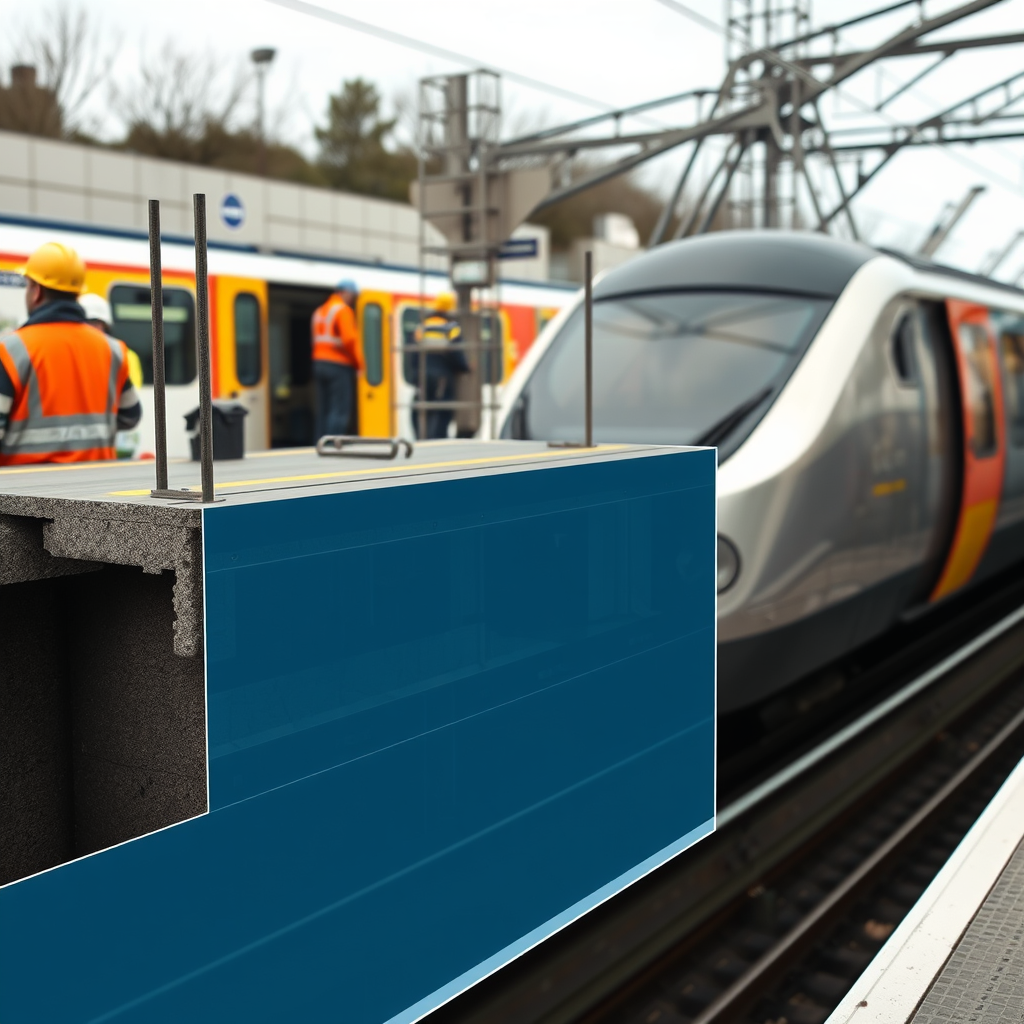
The core issue lies in the 19mm difference in width between the existing and new rolling stock. While seemingly insignificant, this discrepancy necessitates adjustments to platform design to maintain the crucial minimal gap between train and platform edge for passenger safety. Narrowing platforms to accommodate the new trains, as initially proposed, presents a significant safety risk, potentially increasing the gap between older trains and platforms during the transitional period, when both will be operational. This raises serious concerns regarding passenger safety, particularly for those with mobility issues. A comprehensive risk assessment and mitigation strategy must address these challenges before implementing the changes.
Project Planning and Timeline
The revelation of the platform incompatibility issue, after the new train designs were publicly available for over two years, highlights a significant lapse in project planning. The detailed specifications, accessible since March 2021, should have allowed for sufficient time to anticipate and address these compatibility issues. This delay now necessitates additional engineering works and pushes back the complete transition to the new rolling stock. The staggered delivery of the new trains between 2025 and 2027 further complicates operations, requiring careful management of a mixed fleet and potential service disruptions. A more robust and proactive approach to interoperability testing and risk assessment is urgently needed for future projects.
Operational Challenges During the Transition
The three-year transition period involving both the old and new rolling stock presents unique operational challenges. Train scheduling and platform allocation must be carefully managed to ensure passenger flow and minimise disruption. Staff training is essential to adapt to the changed platform interfaces and potential variations in passenger boarding procedures. A comprehensive communication strategy will inform passengers about the changes and assist in navigating the different platform configurations. This transitional phase necessitates stringent operational management to minimise disruption and maintain a high level of service.
Lessons Learned and Future Recommendations
The Piccadilly Line rolling stock upgrade project offers valuable lessons for future railway infrastructure development. A more rigorous and proactive approach to interoperability testing and compatibility assessments is essential. Detailed 3D modeling and virtual simulations can play a crucial role in identifying and resolving potential issues in advance. Better communication and collaboration among stakeholders, including engineers, designers, and operational teams, are vital to prevent unforeseen challenges. The importance of transparent and accessible project documentation cannot be overstated. Independent audits and thorough risk assessments should be integral parts of all such projects. Finally, comprehensive passenger communication strategies are vital to manage expectations and ensure a smooth transition.
Conclusion
The seemingly small discrepancy in the width of the new Piccadilly Line rolling stock has highlighted significant challenges in railway infrastructure projects. The need for platform modifications to accommodate the new trains, and the consequent safety concerns, demonstrate the importance of meticulous planning and comprehensive risk assessment. The delay in addressing these issues, despite the publicly available design specifications, underscores the necessity for improved communication, collaboration, and interoperability testing protocols. The three-year transition period necessitates robust operational management to minimize disruptions and maintain passenger safety. This case study underscores the critical need for a more proactive, transparent, and rigorous approach to future rolling stock implementation projects. The lessons learned from this experience should inform the design and implementation of all future upgrades, emphasizing proactive risk management, thorough interoperability testing, and open communication to ensure a smoother transition and reduced operational disruptions. The ultimate success hinges on the seamless integration of new technology and careful consideration of the impact on existing infrastructure and passengers. A greater emphasis on preventative measures and detailed planning will be crucial to avoid similar situations in the future, maximizing efficiency and passenger safety.
RELATED POSTS

September 24, 2011 6:21 pm
Spanish construction company Construcciones y Auxiliar de Ferrocarriles (CAF) has...

April 27, 2019 4:14 pm
York Railway Station's £15 million upgrade transforms it into a...
April 24, 2020 2:13 am
The Impact of the COVID-19 Pandemic on Indian Railways: A...

December 8, 2016 12:03 am
Thailand and China plan to extend their ambitious Bangkok-Nakhon Ratchasima...

October 7, 2011 6:37 pm
Alcatel-Lucent in partnership with Transtelecom JSC has completed the communication...
August 25, 2024 1:28 pm
The future of Alstom's production and maintenance facility in Derby,...