
Phoenix LRT Expands: Rail Innovations, Future Transport
Phoenix light rail expands, boosting connectivity and economic growth. 9-km extension opens, adding 8,000 daily riders to the 56.4 km network.
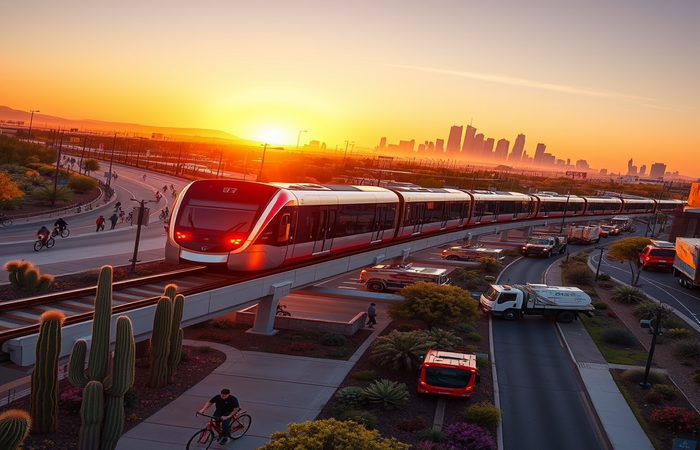
Phoenix Light Rail Network Expands, Ushering in a New Era of Connectivity
On June 7, 2025, Phoenix celebrated the grand opening of its 9-kilometer light rail transit (LRT) extension, a pivotal moment for the city’s burgeoning transportation infrastructure. The event, attended by over 5,000 community members, federal, state, and local officials, marked the unveiling of a project that significantly reshapes the Valley’s mobility landscape. The South Central / Downtown Hub (SCE/DH) extension, a project that has been years in the making, promises enhanced connectivity, safer streets, and increased accessibility for residents. This article explores the details of the extension, exploring its innovative features, the collaborative funding model, and its far-reaching impacts on the community and the wider railway industry. The Phoenix LRT expansion is not merely a transportation upgrade; it signifies a strategic investment in the city’s future, fostering economic growth, promoting sustainable practices, and enriching the quality of life for its citizens.
A Multi-Billion Dollar Investment: Project Funding and Partnership
The SCE/DH extension required a substantial investment of USD 1.34 billion. This ambitious project was made possible through a robust federal-local partnership, with federal grants contributing over half the funding. Phoenix Transportation 2050, a long-term multi-modal transportation plan approved by voters, and regional Proposition 400 investments also provided significant financial support. This collaborative funding model highlights the commitment of various stakeholders to improving the city’s infrastructure. The early completion, originally scheduled for 2034, was accelerated to 2025, thanks to Transportation 2050, demonstrating a proactive approach to addressing the city’s growing transportation needs.
Community Enhancement and Infrastructure Upgrades
Beyond expanding the rail network, the extension incorporates numerous community-focused enhancements. These include the creation of new bike lanes and pedestrian pathways, improving street safety and promoting sustainable modes of transportation. Over 550 new trees and desert-adapted landscaping add to the aesthetic appeal while contributing to environmental sustainability. Additionally, detailed utility upgrades, including the replacement of more than 30 miles of underground infrastructure, enhance the system’s reliability and longevity. The extension also introduces eight new stations and a new park-and-ride facility at Baseline Road/Central Avenue, optimizing accessibility and convenience for riders.
Enhanced Connectivity and Economic Opportunity
The primary objective of the Phoenix LRT extension is to connect more residents to jobs, education, entertainment, and other vital amenities across the Valley. The extension seamlessly integrates with the existing two light rail lines, operating south to Baseline Road. The addition of a transit hub in downtown Phoenix further streamlines transportation for commuters and visitors. This expansion is poised to attract new businesses, customers, and employment opportunities to South Phoenix, which will further stimulate economic growth. The anticipated addition of over 8,000 daily passengers to the system, building on the current 32,000 daily riders, underscores the extension’s potential to reshape transportation patterns.
Future Expansion and Industry Implications
The Phoenix LRT extension represents a critical step toward further expansion. Officials are already looking westward for future light rail expansion and anticipate the extensions of the streetcar line in the East Valley. This strategic approach aligns with the city’s long-term vision for urban mobility, setting the stage for greater integration and efficiency across the transportation network. The success of this project demonstrates the importance of robust planning, community engagement, and a flexible funding model when undertaking infrastructure projects, serving as a valuable case study for other cities seeking to modernize their public transit systems. Additionally, the project exemplifies the potential for railway infrastructure to act as a catalyst for revitalization and economic prosperity.
Conclusion
The Phoenix LRT extension marks a pivotal moment in the city’s transit history, showcasing the power of collaboration, innovation, and community-focused planning. The project’s on-time completion and detailed enhancements, from improved pedestrian infrastructure to expanded capacity, provide a blueprint for future projects. The collaborative approach to funding, bringing together federal, state, and local resources, underscores the importance of partnerships in achieving complex infrastructure goals. The extension also offers a crucial insight into the industry implications, demonstrating how sustainable transportation infrastructure can foster economic growth and improve the quality of life for residents. The Phoenix expansion will add more than 8,000 daily passengers to the light rail system which will bring the total length of the network to 56.4 km. Looking ahead, the momentum created by this project will position Phoenix as a leader in sustainable urban development, demonstrating the transformative impact of strategic investments in public transportation.

Railway infrastructure, rolling stock and transport technologies specialist focused on global rail industry developments, high-speed rail systems, signaling technologies and freight transportation. Covering railway investments, public transport modernization, rail operations and international mobility projects across Europe, Asia and North America.
RELATED POSTS

September 6, 2026 4:12 am
Alstom delivered the first of 100 new G Class trams...
September 7, 2026 4:15 pm
Zimbabwe approved the EUR 3 billion Harare Light Rail project,...
September 8, 2026 5:14 am
STB ordered Belt Railway Co. of Chicago on Aug. 3,...
September 6, 2026 4:17 pm
FRA approved an alternative 160–220 mph noise standard in August...
September 7, 2026 1:15 pm
Regional Rail finalized an agreement to acquire the Massachusetts Central...

September 5, 2026 10:14 pm
MTA confirmed $600M in annual savings to balance New York's...