
Perth’s Metronet Morley-Ellenbrook Line: A$700M Rail Project

This article analyzes the significant Metronet Morley-Ellenbrook Line rail project in Perth, Western Australia, focusing on its economic impact, engineering challenges, and broader implications for urban development and transportation planning. The A$700 million (approximately US$496.23 million) contract awarded to the MELconnx Consortium marks a crucial step in connecting Perth’s rapidly expanding northeastern suburbs to the existing rail network. This project, one of the largest undertaken in Western Australia since the Mandurah Line in 2007, exemplifies the increasing importance of robust public transportation infrastructure in addressing urban sprawl and promoting sustainable economic growth. The project’s scale, projected job creation, and its contribution to reducing traffic congestion highlight its pivotal role in Western Australia’s post-COVID-19 economic recovery. We will explore the project’s technical aspects, its economic benefits, and its potential impact on urban planning and transportation in Perth.
Project Scope and Engineering Challenges
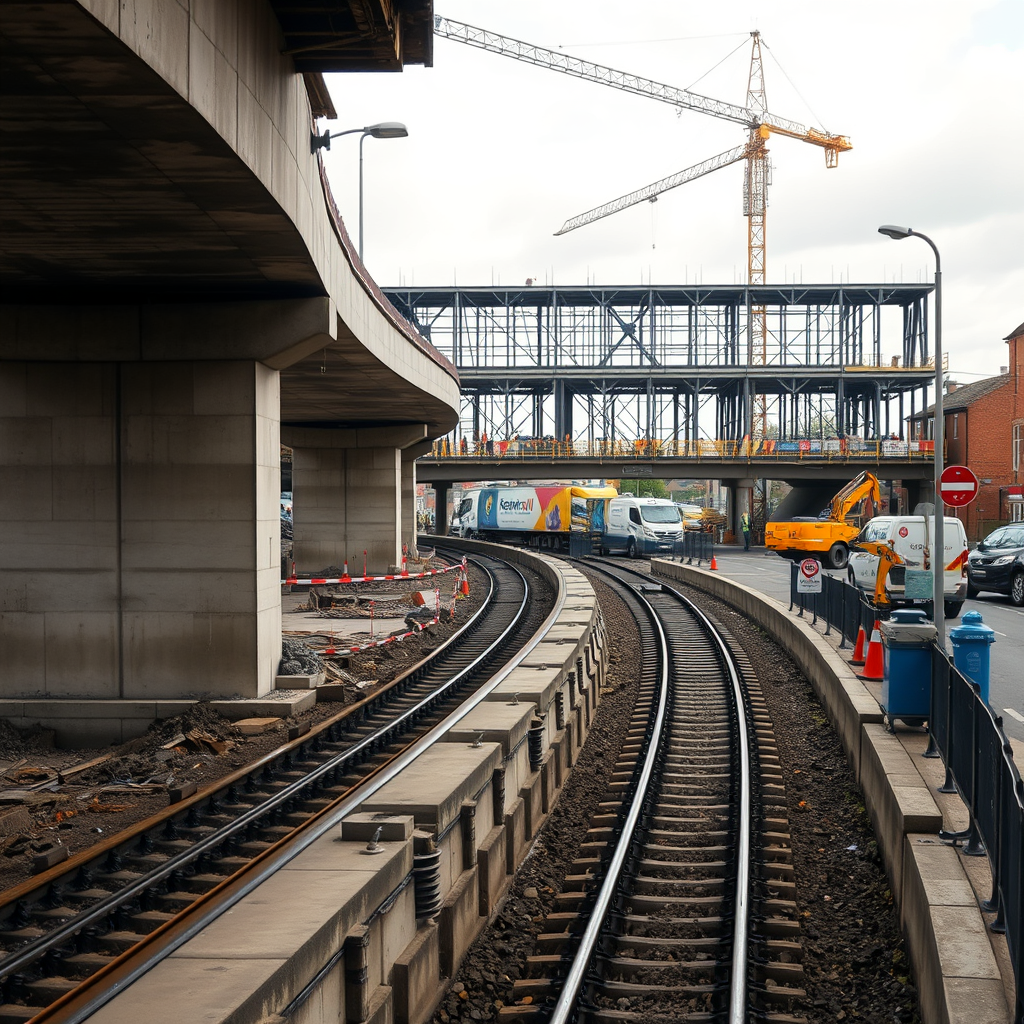
The 21-kilometer Morley-Ellenbrook Line involves the construction of a new rail corridor and five new stations at Morley, Noranda, Malaga, Whiteman Park, and Ellenbrook, with a planned future station at Bennett Springs East. This presents significant engineering challenges, including land acquisition, route alignment considering existing infrastructure and environmental constraints, and the integration of new stations into the existing network. The project’s success hinges on meticulous planning and execution, requiring careful consideration of geotechnical conditions, track laying specifications, signaling systems integration (including Automatic Train Protection (ATP) and Communication-Based Train Control (CBTC) systems, if applicable), and the efficient management of construction activities to minimize disruption. Efficient earthworks, bridge construction (if necessary), and the installation of robust track infrastructure are crucial elements impacting the project’s timeline and budget. The selection of appropriate materials and construction techniques will be vital in ensuring the longevity and resilience of the infrastructure in the face of Perth’s climate.
Economic Impact and Job Creation
The Metronet Morley-Ellenbrook Line is projected to create over 6,500 local jobs, providing a substantial boost to the Western Australian economy. This includes direct employment within the construction sector, as well as indirect jobs in supporting industries. The project’s economic benefits extend beyond job creation, encompassing increased property values in surrounding areas, improved accessibility for businesses and residents, and reduced transportation costs for commuters. The reduction in daily car trips, estimated at over 10,000 by 2031, will contribute significantly to decreased traffic congestion, reduced fuel consumption, and lower greenhouse gas emissions. The project’s impact on regional economic growth, through increased commercial activity and tourism, should also be considered.
Urban Development and Transportation Planning
The Morley-Ellenbrook Line is not merely a transportation project; it is an integral component of Perth’s urban development strategy. The improved connectivity provided by the rail line will facilitate growth in the northeastern suburbs, enabling sustainable urban expansion and reducing reliance on private vehicles. The strategic location of the new stations will influence land use patterns and potentially spur economic development in previously underserved areas. Successful integration of the new line into Perth’s broader public transportation network is crucial. This involves ensuring seamless transfers between different modes of transport and optimizing service frequency and scheduling to enhance passenger experience and encourage ridership.
Governmental Role and Funding
The joint funding by the federal and state governments underscores the project’s significance to the nation and the state. The allocation of funding reflects a commitment to long-term infrastructure development and highlights the perceived economic and social returns of investing in public transportation. The procurement process, which included a Request for Proposal (RFP), aimed to ensure value for money and transparency. Effective project management and oversight by governmental agencies are essential for ensuring the project’s timely and cost-effective completion, while adhering to stringent safety and environmental standards. The government’s commitment to fostering local business participation through initiatives such as the “Building for Tomorrow” program is crucial for maximizing the project’s benefits for the local community.
Conclusions
The Metronet Morley-Ellenbrook Line represents a significant investment in Western Australia’s infrastructure and a vital step in shaping the future of Perth’s urban landscape. The A$1.1 billion (approximately US$780 million) project, awarded to the MELconnx Consortium, not only addresses the pressing need for improved public transportation in the rapidly growing northeastern suburbs but also provides a substantial economic stimulus through job creation and reduced traffic congestion. The project’s success depends on careful management of complex engineering challenges, including route alignment, station construction, and the integration of advanced signaling systems. The project’s economic impact extends beyond direct job creation, influencing property values, reducing transportation costs, and mitigating environmental effects associated with increased car usage. Furthermore, the line’s strategic importance in supporting sustainable urban development and fostering economic growth in the northeastern suburbs cannot be overstated. The completion of this ambitious project will serve as a model for future transportation initiatives and reinforce the importance of strategic investment in public infrastructure for economic growth and social well-being in Australia and beyond. Its role in Perth’s post-COVID-19 economic recovery and its contribution to establishing a more sustainable and efficient transportation system are remarkable achievements. The government’s proactive approach, leveraging both federal and state funds, further solidifies this project’s significance, proving the dedication to long-term infrastructural development and community well-being.
RELATED POSTS
March 6, 2025 12:03 am
The Urgent Need for Railway Infrastructure Renewal: A Case Study...
May 29, 2018 11:01 pm
Perth's METRONET project hits a major milestone! Tunnel Boring...
September 23, 2018 10:46 am
Global rail's evolving! From Sri Lanka's rolling stock upgrades...
August 9, 2023 9:20 am
The Impact of Macroeconomic Factors on BNSF Railway’s Q2 2023...
November 5, 2022 7:24 am
This article explores the significant Bloor-Yonge Capacity Improvements (BYCI) project...
October 27, 2023 8:57 pm
The Imperative of Convenience in Shifting to Rail Travel This...