
Ottawa’s LRT Expansion: Stadler FLIRT Trains Arrive
Ottawa’s O-Train expansion utilizes seven new Stadler FLIRT trains, built for extreme cold and boasting cutting-edge technology. Discover how these state-of-the-art vehicles enhance public transit!
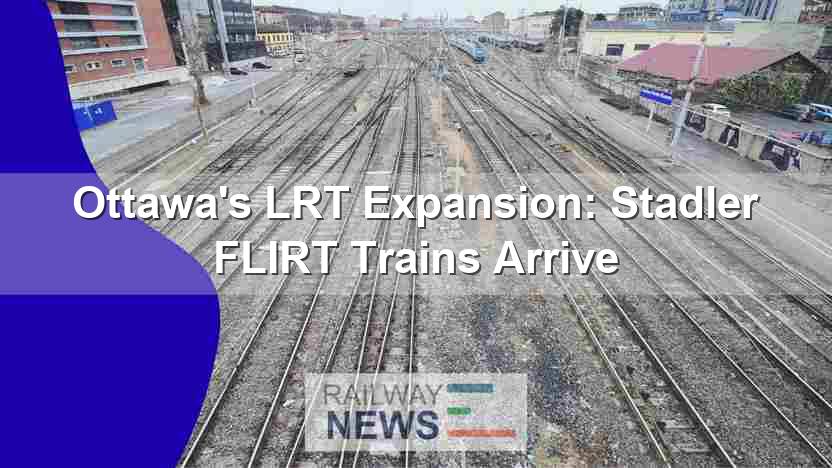
This article examines Stadler’s significant contract to supply seven four-unit diesel-electric FLIRT (Fast Light efficient Regional Train) trains to the city of Ottawa, Canada. The C$106 million (approximately US$78.6 million) deal, awarded as part of the Stage 2 O-Train Trillium Line extension project, represents a substantial investment in expanding Ottawa’s light rail transit (LRT) network. This project showcases the crucial role of robust, adaptable rolling stock in facilitating efficient and accessible public transportation in diverse and challenging climates. We will explore the technical specifications of the FLIRT trains, their design considerations for the Canadian environment, the broader context of the O-Train expansion, and the implications of this contract for future LRT development in Canada. The analysis will delve into the complexities of procuring and integrating new rolling stock into existing infrastructure, highlighting the challenges and successes involved in such large-scale transit projects.
Train Specifications and Environmental Considerations
The seven FLIRT trains are specifically designed to operate effectively in Ottawa’s harsh winter climate. Each four-unit train is powered by four 480 kW diesel engines, meeting the stringent Tier 4 Final emission standards, demonstrating a commitment to environmental responsibility. This ensures both performance reliability in sub-zero temperatures and a reduced environmental impact. The trains will achieve a maximum speed of 120 km/h (75 mph), accommodating the requirements of the expanded Trillium Line. Adherence to accessibility standards is paramount, with the trains designed to comply with both the Americans with Disabilities Act (ADA) and the Accessibility for Ontarians with Disabilities Act (AODA), guaranteeing inclusivity for all passengers.
Safety and Regulatory Compliance
Safety is a critical element, and the FLIRT trains are engineered to meet the rigorous North American Fire Safety Standard NFPA 130. This focus on safety underscores Stadler’s dedication to providing reliable and safe transportation solutions. The manufacturing process, taking place at Stadler’s facility in Bussnang, Switzerland, leverages their extensive experience in building trains for extreme weather conditions, ensuring the trains are suitably robust for the Ottawa climate. The rigorous testing and evaluation process following delivery will further guarantee compliance and operational readiness before passenger service commences.
The O-Train Expansion Project and its Significance
Stadler’s contract is an integral part of the broader Stage 2 expansion of Ottawa’s O-Train LRT system. This project includes the 16km extension of the Trillium Line, involving the construction of eight new stations. This expansion demonstrates Ottawa’s commitment to sustainable and efficient public transportation infrastructure. The selection of TransitNEXT, a subsidiary of SNC-Lavalin, to design, build, finance, and maintain the Trillium Line extension highlights the collaborative nature of such large-scale undertakings. The project’s scope also involves extending the Confederation Line, further strengthening the city’s LRT network.
Project Timeline and Future Implications
Stadler is scheduled to begin delivering the FLIRT trains to Ottawa in mid-2021. Upon delivery, the trains will undergo detailed testing to ensure their full operational readiness and compliance with all relevant safety and accessibility standards. This commitment to thorough testing is essential to ensure a smooth transition into commercial service on the expanded Trillium Line. The success of this project serves as a strong indicator for future LRT developments in Canada and beyond. The utilization of modern, environmentally conscious, and accessible rolling stock is crucial for the expansion and modernization of public transit systems across North America. The selection of Stadler, a reputable international rolling stock manufacturer, further underscores the growing importance of international collaboration in the development of modern transit solutions.
Conclusion
Stadler’s contract to supply seven FLIRT trains to Ottawa represents a significant step forward in expanding the city’s light rail transit system. The C$106 million investment reflects a commitment to modern, efficient, and accessible public transportation. The trains’ specifications, including their ability to operate in extreme cold, their adherence to stringent emission standards (Tier 4 Final), and their compliance with ADA and AODA accessibility standards, highlight a focus on both operational reliability and social responsibility. The project’s integration into the broader O-Train expansion, encompassing the extension of both the Trillium and Confederation Lines, signifies Ottawa’s commitment to long-term sustainable transport infrastructure. The detailed testing phase post-delivery underscores the importance of safety and compliance. This project’s success will serve as a model for future LRT expansion projects across Canada and potentially influence the selection of rolling stock for similar initiatives worldwide, setting a precedent for environmentally responsible and accessible public transport solutions. The collaborative effort between the City of Ottawa, SNC-Lavalin, and Stadler showcases the effectiveness of partnerships in delivering complex large-scale transit initiatives. The successful integration of these FLIRT trains will not only improve Ottawa’s public transport but will also contribute valuable data and experience for future LRT implementations, benefiting urban development and sustainability strategies across the nation.

Railway infrastructure, rolling stock and transport technologies specialist focused on global rail industry developments, high-speed rail systems, signaling technologies and freight transportation. Covering railway investments, public transport modernization, rail operations and international mobility projects across Europe, Asia and North America.
RELATED POSTS
September 6, 2026 5:19 am
Hitachi delivered Taiwan's first N700ST high-speed train from Japan in...

September 5, 2026 4:19 pm
CPK launched formal tender talks with four consortia to design...

September 6, 2026 4:12 am
Alstom delivered the first of 100 new G Class trams...
September 6, 2026 6:17 am
Hungary ordered a national ban on most freight trains from...
September 6, 2026 1:17 am
Hitachi Toshiba Supreme Consortium confirmed the first of 12 N700ST...
September 7, 2026 8:16 am
Midea, Gree and TCL shipped air conditioners via China Railway...