
Optimizing Urban Rail Efficiency: Future Trends & Passenger Experience
Revolutionize urban rail! Optimize efficiency and passenger experience with cutting-edge technology and sustainable practices. Discover how!

The Future of Urban Rail: Optimizing Efficiency and Passenger Experience
The global rail industry is undergoing a period of significant transformation, driven by technological advancements, evolving passenger demands, and the pressing need for sustainable transportation solutions. This article delves into the key considerations for optimizing urban rail systems, examining critical factors influencing efficiency, infrastructure development, and the passenger experience. From smart ticketing systems to innovative train designs, we will explore the strategies shaping the future of urban rail travel. This analysis will provide insights into the challenges and opportunities facing urban rail operators, ultimately contributing to the development of more efficient, sustainable, and passenger-centric systems. The future of urban rail relies on a multifaceted approach encompassing technological integration, sustainable practices, and a focus on enhancing the overall passenger experience.
Infrastructure Modernization and Technological Integration
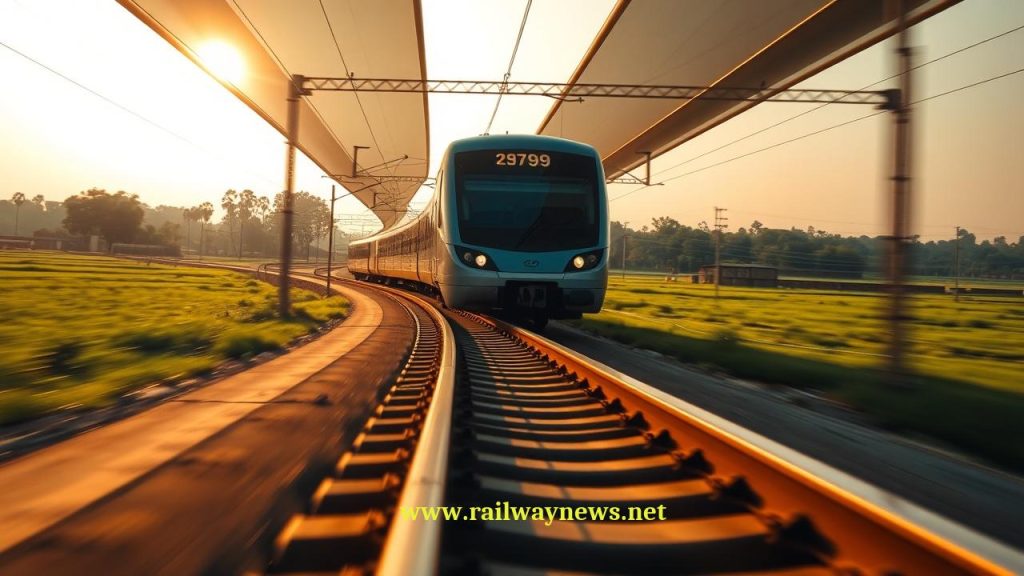
Modernizing existing infrastructure and integrating cutting-edge technology are crucial elements for improving urban rail efficiency. This involves upgrading track systems to accommodate higher speeds and greater capacity, implementing advanced signaling systems for smoother operations, and incorporating real-time passenger information displays and automated train control systems. This allows for more precise scheduling, reduced delays, and improved overall reliability. Further integration of data analytics can provide insights into passenger behavior and system performance, allowing operators to optimize routes, service frequency, and staffing levels to meet fluctuating demand. An example of this can be seen with the SMRT Thomson-East Coast Line, which has utilized advanced signaling technology.
Passenger Experience Enhancement: Comfort and Convenience
Optimizing the passenger experience involves creating a seamless and comfortable journey for commuters. This can be achieved through various measures, including implementing advanced passenger information systems for real-time updates and improved accessibility features (e.g., elevators, ramps, and dedicated spaces). Providing comfortable seating, onboard Wi-Fi, and power outlets enhance the travel experience, while integrated ticketing systems and mobile applications allow passengers to easily navigate the system, purchase tickets, and track their journey. Improving the aesthetics and cleanliness of stations and vehicles also contributes significantly to the overall positive experience. A comfortable and convenient experience is paramount for attracting and retaining passengers, leading to increased ridership and system utilization.
Sustainable Practices and Environmental Considerations
The rail industry is increasingly recognizing the importance of sustainability. Implementing environmentally friendly practices, such as using energy-efficient trains and adopting renewable energy sources for powering stations and infrastructure, is vital for reducing the environmental impact of urban rail systems. Utilizing electric or hybrid-electric locomotives for train operations is crucial for minimizing carbon emissions. This, combined with exploring the use of recycled materials in construction, helps to further integrate sustainable practices into the core of urban rail operations. This approach not only minimizes environmental impact but also positions the system as a responsible and forward-thinking mode of transportation.
Conclusion: Shaping the Future of Urban Rail
The future of urban rail hinges on a comprehensive approach that integrates cutting-edge technology, prioritizes the passenger experience, and embraces sustainable practices. By focusing on infrastructure modernization and the incorporation of advanced technologies, urban rail systems can achieve higher levels of operational efficiency and reliability. This results in reduced delays, improved punctuality, and enhanced passenger satisfaction. Creating a seamless and comfortable passenger experience, including efficient ticketing, real-time information, and enhanced accessibility, is paramount. This leads to greater passenger engagement, increased ridership, and a more robust transit network. Furthermore, adopting sustainable practices, from energy-efficient trains to renewable energy sources, is not just an environmental imperative, but also an economic advantage and critical aspect of long-term system viability. The SMRT Thomson-East Coast Line serves as an excellent example of a modern, efficient, and passenger-centric urban rail system. Ultimately, by proactively addressing these challenges and embracing innovative solutions, urban rail systems can continue to serve as essential components of modern transportation infrastructure, ensuring reliable, efficient, and sustainable mobility for the future.
The development of interconnected and integrated systems, allowing for seamless transitions between different modes of transport, will be vital in the coming years. This will necessitate collaboration between various stakeholders, including transport authorities, technology providers, and the public, to establish streamlined processes and standardized systems for enhancing the user experience.
You might be interested in:
Last January 2019, we discussed the Caledonian Sleeper’s new fleet arrival at London Euston, marking a new era for overnight rail travel. Click here to read – Caledonian Sleeper: Euston Arrival, A New Era for Rail Travel
RELATED POSTS
February 11, 2026 8:13 pm
Nokia finalized RailTel's national optical network modernization using 1830 PSS...
January 14, 2017 3:36 am
China's Shanghai-Kunming high-speed rail line opens, slashing travel times and...
July 4, 2025 12:33 pm
LA Metro approves in-house transit ambassador program, boosting public transit...
December 9, 2020 4:40 am
The Ahmedabad-Mumbai High-Speed Rail Corridor: A Comprehensive Overview The development...
October 10, 2025 2:54 am
Norfolk Southern celebrates the 1,000th **DC-to-AC locomotive conversion**, boosting fuel...
June 19, 2017 12:37 am
Here's a short, compelling excerpt for railway professionals:"See the future...