
Optimizing Rail Infrastructure: Future Trends & Sustainable Practices
**Option 1 (Focus on Data):**
“Unlock the power of **rail infrastructure** with data! Predictive maintenance and optimized schedules are transforming the future.
**Option 2 (Focus on Asset Management):**
“Strategic asset management is key for a reliable **rail infrastructure**! Extend lifespans and minimize costs for lasting performance.
**Option 3 (Focus on Sustainability):**
“Building a greener future for **rail infrastructure**! Sustainable practices are vital for efficient and eco-friendly operations.”

The following is the rewritten article:
Optimizing Rail Infrastructure: A Deep Dive
The railway industry, a cornerstone of global transportation, is undergoing a period of intense transformation. From technological advancements to evolving passenger expectations and environmental considerations, the pressure to optimize rail infrastructure has never been greater. This article delves into the multifaceted challenges and opportunities inherent in this endeavor. We will explore key areas demanding attention, including the crucial role of data analytics, the strategic importance of asset management, and the imperative of sustainable practices. Ultimately, the goal is to provide a comprehensive understanding of how the rail industry can enhance efficiency, reliability, and overall performance, paving the way for a more sustainable and passenger-centric future. The analysis will consider factors from the implementation of new technologies, maintenance procedures to policy changes.
***
Data-Driven Decision Making
The modern railway network generates vast quantities of data, from train movements and track conditions to passenger flows and equipment performance. Harnessing this data effectively is paramount for optimizing infrastructure. Implementing advanced analytics, including machine learning and artificial intelligence (AI), allows operators to move from reactive to proactive management. For example, predictive maintenance, based on real-time data from sensors embedded in tracks and trains, can anticipate potential failures and schedule maintenance before disruptions occur, significantly reducing downtime and associated costs.
Furthermore, data analysis can optimize train schedules and improve network capacity. Analyzing passenger traffic patterns, identifying bottlenecks, and simulating various operational scenarios can lead to more efficient resource allocation and a better passenger experience. However, this data-driven approach also presents challenges. Ensuring data quality, integrating disparate data sources, and addressing cybersecurity concerns are crucial for the successful implementation of data analytics initiatives. The integration of sophisticated tools, like Geographic Information Systems (GIS) is also vital for mapping and analyzing infrastructure assets.
You might be interested in:
Last November 2018, we published an article about boost rail electrification efficiency. Click here to read – Balfour Beatty: Rail Electrification Revolution, Data-Driven Efficiency
***
Strategic Asset Management
Effective asset management is essential for maintaining the long-term viability of rail infrastructure. This encompasses the entire lifecycle of assets, from initial acquisition and installation to maintenance, renewal, and eventual disposal. Implementing a robust asset management strategy involves several key elements.
Firstly, it requires a comprehensive asset register, which provides a detailed inventory of all infrastructure assets, including their location, condition, and performance characteristics. Secondly, a well-defined maintenance strategy is crucial. This should include preventative maintenance programs, condition-based maintenance, and reactive maintenance, all tailored to the specific needs of each asset. The goal is to extend asset lifespans, minimize disruptions, and reduce overall lifecycle costs. Thirdly, investment planning plays a critical role. This involves prioritizing investments in renewals and upgrades based on asset condition, risk assessments, and strategic objectives. This helps to avoid the impact of failures or unexpected delays.
***
Sustainable Practices and Environmental Impact
The railway industry has a significant role to play in promoting sustainability and reducing environmental impact. Compared to other modes of transport, rail is generally a more energy-efficient and lower-emission option. However, there are still many opportunities for improvement. Energy consumption is a key area of focus. Implementing energy-efficient technologies, such as regenerative braking systems on trains and LED lighting in stations, can significantly reduce energy usage. Switching to renewable energy sources, such as solar or wind power, to power railway operations further reduces the carbon footprint.
Reducing noise and vibration is also important, particularly in urban areas. This can be achieved through noise barriers, improved track designs, and the use of quieter rolling stock. Furthermore, the industry must address the environmental impacts of construction and maintenance activities. This includes using sustainable materials, minimizing waste, and implementing effective waste management programs. The implementation of High-Speed Rail (HSR) networks has been a case study in balancing environmental impact with the economic and social benefits of improved connectivity.
***
Conclusion: Charting the Future of Rail
In conclusion, optimizing rail infrastructure is a complex but crucial undertaking, encompassing a wide range of interconnected areas. Data-driven decision-making empowers operators to move from reactive to proactive management, improving efficiency and reducing disruptions. Strategic asset management ensures the long-term viability of infrastructure assets, minimizing lifecycle costs and maximizing performance. Sustainable practices are essential for minimizing the environmental impact of rail operations and contributing to a more sustainable future. The future of the rail industry hinges on its ability to embrace these advancements and create a resilient and passenger-focused network. Embracing the use of new technologies like digitalization, remote monitoring, and predictive analytics will enhance safety and efficiency. As the *South Western franchise* and other operators strive for better service, integrating these practices will be crucial. Finally, a continued commitment to investment in infrastructure, innovation, and workforce development will be key to unlocking the full potential of rail and securing its place as a vital mode of transportation for generations to come.
RELATED POSTS
September 26, 2023 4:02 pm
This article analyzes the independent review commissioned by the New...
July 8, 2018 2:00 pm
The Massachusetts Green Line Extension: a $2.3 billion light rail...
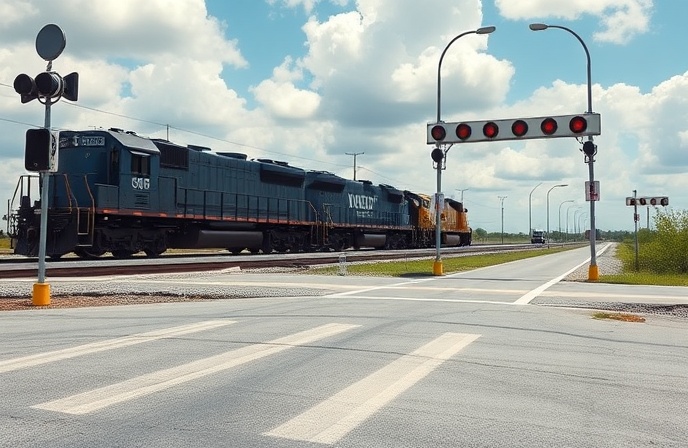
September 16, 2025 8:55 pm
MDOT completes nine Mississippi grade crossing improvements, funded by federal...
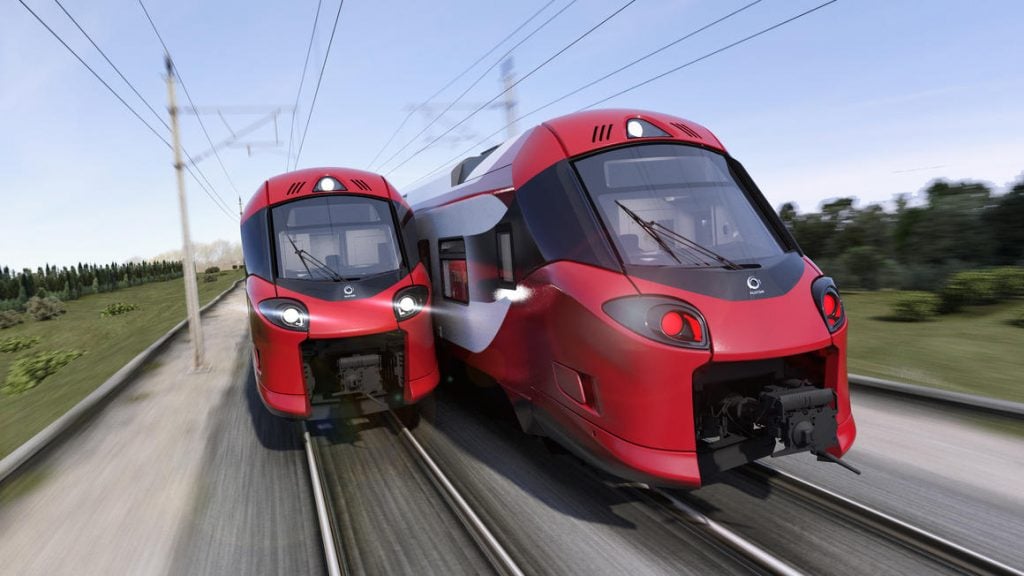
December 20, 2018 8:16 am
Alstom has been awarded a contract to supply 34 regional...

December 8, 2025 10:42 am
Cardiff Central Station receives a massive £140 million investment for...
May 7, 2018 6:41 pm
Amsterdam's choosing CAF's innovative M7 metro cars! Learn how...