
Optimizing Passenger Experience: Railway Infrastructure Trends
Optimize your railway infrastructure for a superior passenger experience. Modernize track, signals, and rolling stock for increased safety, efficiency, and revenue. Discover how!

Optimizing Railway Infrastructure for Enhanced Passenger Experience
The modern railway industry is facing a confluence of challenges and opportunities. From the need for increased passenger capacity and reliability to the integration of advanced technologies, optimizing railway infrastructure is crucial for delivering a superior passenger experience. This article will delve into the key considerations for enhancing the efficiency, safety, and overall passenger experience on railway networks. We will explore the critical elements of infrastructure modernization, focusing on innovative approaches to track maintenance, signaling systems, and train operations. This analysis will examine the relationship between robust infrastructure and passenger satisfaction, highlighting how improvements in these areas directly contribute to a smoother, more enjoyable journey for commuters. Finally, the article will consider the financial implications of modernization projects, exploring sustainable financing strategies and the long-term benefits of investments in railway infrastructure.
Track Maintenance and Condition Assessment
Maintaining the integrity of railway track is paramount for operational safety and efficiency. Advanced technologies like laser scanning and automated inspection systems are revolutionizing track maintenance. These technologies allow for proactive identification of potential problems, enabling predictive maintenance strategies. This proactive approach minimizes costly downtime and significantly reduces the risk of derailments. Furthermore, integrating real-time data analysis with these systems creates a comprehensive understanding of track conditions, enabling targeted maintenance efforts, improving overall performance and preventing unforeseen issues.
Signal System Modernization and Automation
Outdated signaling systems can be a significant bottleneck in railway operations. Modernizing signaling infrastructure with advanced digital systems, including CBTC (Continuous Braking Control Technology), significantly enhances safety and operational efficiency. These systems enable automatic train control, reducing the risk of collisions and improving punctuality. Automation also facilitates more complex train operations, allowing for increased train frequencies and greater capacity on existing lines.
Rolling Stock Integration and Optimization
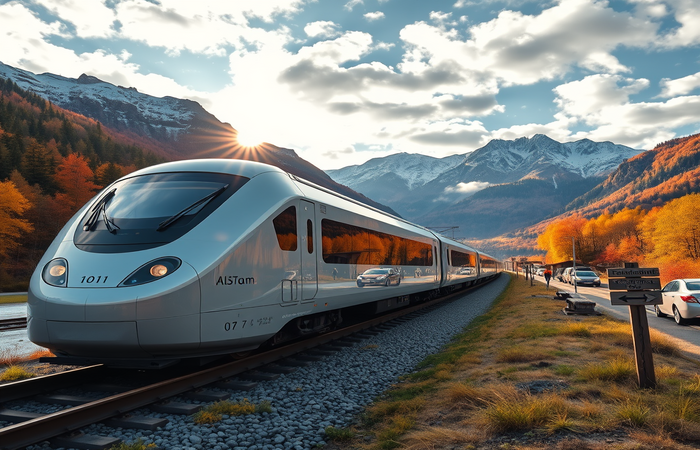
The introduction of new rolling stock plays a significant role in improving passenger comfort and convenience. Features like wider seats, improved ventilation, and convenient onboard amenities all contribute to a more positive passenger experience. Furthermore, increased passenger capacity from new train sets enhances network efficiency, better managing ridership and optimizing revenue potential. The *West Midlands Trains new rolling stock* represents a model for the future, incorporating these advancements in comfort, safety, and modern technology to enhance the entire rail journey.
Sustainable Financing and Infrastructure Development
Modernizing railway infrastructure requires significant financial investment. Sustainable financing strategies, including public-private partnerships (PPPs) and innovative funding models, are crucial for the successful implementation of these projects. These strategies not only enable infrastructure upgrades but also facilitate long-term financial sustainability for railway operators. Moreover, the long-term economic benefits of increased efficiency, reduced delays, and improved passenger experience from a well-maintained infrastructure more than justify the initial investment and highlight the importance of long-term planning.
Conclusion
In conclusion, optimizing railway infrastructure is an essential step toward enhancing the passenger experience. By prioritizing track maintenance, embracing signal system modernization, integrating efficient rolling stock, and developing sustainable financing strategies, the railway industry can create a more reliable, comfortable, and enjoyable experience for all passengers. The benefits of improved infrastructure are multifaceted, encompassing increased safety, enhanced punctuality, and ultimately a positive impact on the overall efficiency and economic viability of the railway network. Investing in infrastructure modernization is not just about improving the passenger experience but also about enhancing the economic and social value of the entire rail transportation system. The emphasis on safety, punctuality, and comfort has led to improvements in passenger satisfaction, a key indicator of a successful and well-managed railway system. The use of innovative technologies, like the ones incorporated in the *West Midlands Trains new rolling stock*, highlights the commitment of the industry towards providing a superior and convenient travel experience for commuters. This sustained commitment towards modernization and the proactive implementation of best practices will ultimately lead to a more robust, efficient, and globally competitive railway system.
You might be interested in:
Last April 2019, we had a great piece on Vossloh securing a major rail switch component contract. Click here to read – Vossloh Secures €100M Rail Deal: Sweden, Italy
RELATED POSTS
November 24, 2019 9:27 am
Introduction This article explores the groundbreaking pilot project in the...
June 11, 2025 12:00 pm
Alstom unveils new Coradia Stream trains for Norwegian rail, boosting...

August 20, 2012 1:50 pm
Serbia has received a loan of $800m from Russia for...
October 5, 2018 9:09 pm
Melbourne's Mernda Rail Extension project successfully completed, boosting northern suburbs...

May 19, 2025 7:09 am
Princeton TMX and Telegraph Forge Alliance to Revolutionize Rail Logistics...
March 5, 2026 7:57 pm
Banedanmark launched battery train operations on Denmark's 67 km Skjern–Holstebro...