
Optimizing Passenger Experience: Rail Infrastructure Trends
Boost passenger experience and ridership with optimized railway infrastructure. Discover how modernizing tracks, stations, and operations creates a seamless, efficient, and enjoyable journey.

Optimizing Railway Infrastructure for Enhanced Passenger Experience
This article delves into the critical aspects of enhancing the passenger experience within railway systems. We will explore the interconnectedness of various factors, from infrastructure design and maintenance to operational efficiency and customer service, to create a seamless and enjoyable journey for commuters. Modern railway networks are complex systems, requiring careful consideration of passenger comfort, safety, and accessibility. By focusing on meticulous planning, strategic investments, and consistent operational excellence, railway authorities can elevate the overall passenger experience and bolster the network’s reputation and ridership. This pursuit of optimal passenger experience isn’t merely about comfort; it’s a crucial driver for economic growth and societal well-being in urban and regional contexts. Efficient and reliable rail transport supports business commutes, fosters tourism, and contributes to the overall health of a region. Therefore, a strategic and data-driven approach to optimizing infrastructure is essential.
The Significance of Infrastructure Modernization
Modernizing railway infrastructure is fundamental to improving the passenger experience. This entails upgrading track systems, stations, and signalling equipment. Investing in advanced signalling systems, such as CBTC (Communication-Based Train Control), enables higher train frequencies, smoother operations, and reduced delays. Upgrading track maintenance procedures and introducing predictive maintenance techniques can drastically improve operational reliability and minimize costly disruptions. This includes utilizing advanced technologies like sensors to detect track wear and tear proactively, significantly reducing the risk of derailments. This proactive approach not only ensures safety but also optimizes operational efficiency by avoiding unscheduled maintenance periods.
Operational Efficiency and Passenger Flow Optimization
Optimizing operational efficiency is equally crucial. This involves streamlining train scheduling, optimizing platform layouts to facilitate swift passenger boarding and disembarking, and implementing real-time information systems to keep passengers updated on schedule deviations and potential delays. Improved station design, incorporating elements like clear wayfinding systems and spacious waiting areas, significantly enhances the passenger experience, fostering a sense of ease and order within the stations. Utilizing advanced data analytics tools, such as those capable of analyzing passenger flow patterns within stations, allows railway operators to make strategic adjustments to operational processes and optimize resource allocation, leading to greater efficiency and improved passenger satisfaction.
Technological Advancements and Enhanced Connectivity
Leveraging advancements in technology offers significant opportunities for enhancing the railway experience. Integrating mobile applications for real-time tracking, booking tickets, and accessing station information empowers passengers to plan and manage their journey effectively. This kind of digital integration creates a transparent and efficient communication channel, fostering passenger trust in the system. Furthermore, adopting contactless payment methods within stations and on board trains simplifies the passenger experience, making transactions quicker and smoother. This technology infusion isn’t just about convenience but also about safety, reliability, and reducing congestion, especially during peak hours.
The Future of Railway Passenger Experience: A Focus on Sustainability and Innovation
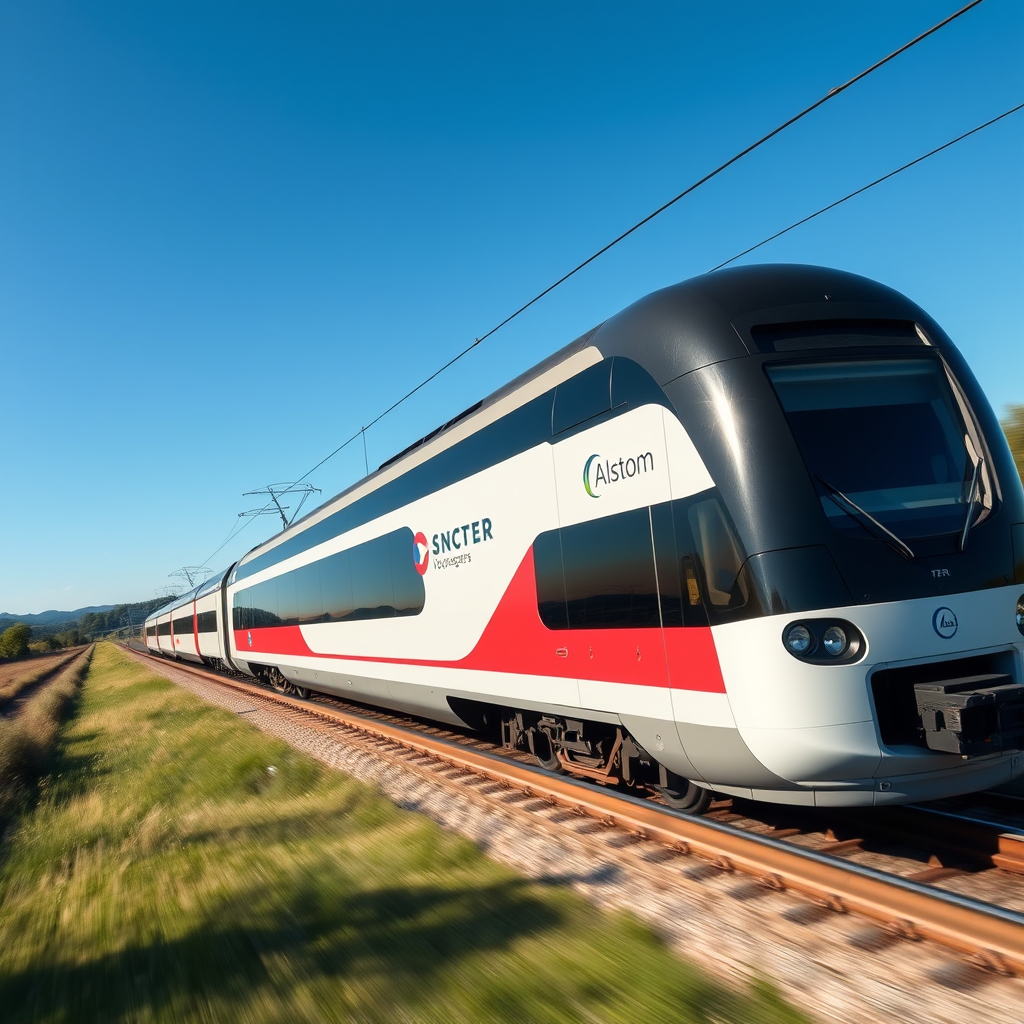
The future of railway travel necessitates a focus on sustainability and innovation. The use of electric trains, combined with renewable energy sources, can significantly reduce the environmental impact of rail transport, showcasing environmental consciousness while providing a high-quality service. Implementing technologies like Hitachi intercity trains, which exemplify advancements in high-speed and energy-efficient railway transportation, is crucial for staying ahead of the curve. Innovative design, incorporating features like ergonomic seating, ample legroom, and enhanced accessibility, can also elevate the passenger experience. This focus on sustainability and innovation will not only attract passengers but also create a responsible and forward-looking transport system.
Conclusions
In conclusion, optimizing the passenger experience in railway systems is a multifaceted endeavor requiring a comprehensive approach that integrates infrastructure modernization, operational efficiency enhancement, technological advancements, and a commitment to sustainability. Upgrading track systems, adopting advanced signaling technologies, and optimizing passenger flow are crucial elements in achieving seamless and efficient travel. Implementing real-time information systems, enhancing station design, and leveraging mobile technologies empower passengers with greater control and transparency. Crucially, a forward-thinking approach encompassing the adoption of environmentally conscious technologies, like electric train systems and renewable energy sources, is vital for the long-term viability and sustainability of the rail network. By embracing these key elements, railway operators can create a superior passenger experience, fostering ridership, improving economic growth, and upholding a robust, efficient, and sustainable transport system for the benefit of both communities and the environment. The successful integration of technology, from smart ticketing systems to real-time tracking, will significantly enhance the passenger journey. Hitachi intercity trains represent the cutting edge of technological advancements in this sector, signifying a commitment to innovation and efficiency. The integration of these advancements in the wider railway infrastructure will contribute to a more reliable and enjoyable experience for commuters.
Investing in these areas will not only elevate the passenger experience but will also significantly enhance the overall performance and reliability of the network. The emphasis on safety, security, and environmental consciousness will create a long-term investment in the infrastructure and contribute to a positive image for the railway system.
This comprehensive approach, driven by a commitment to these principles, will be crucial in attracting and retaining passengers and ensuring the ongoing success of the railway system in the years to come.
Last November 2018, we had a great article about sustainable urban development in Bogotá, specifically the new metro system. Click here to read – Bogota’s Metro: EIB Funds Sustainable Urban Growth
RELATED POSTS
April 1, 2025 5:57 pm
Introduction This article explores the significant advancements in railway decarbonization...
August 26, 2018 10:58 pm
London's Night Tube: A massive success, exceeding projections with...

June 18, 2008 10:58 am
The Indian Government has approved a new high-speed link between...
June 23, 2008 2:02 pm
Nuremberg's U-Bahn successfully transitioned to automated operation, showcasing innovative railway...
November 26, 2025 8:42 am
Great Britain's **rail revenue** soared 8% to GBP 11.5 billion,...
February 26, 2025 11:49 am
The burgeoning need for efficient and cost-effective freight transportation solutions...