
Optimizing Global Rail Systems: Reliability & Efficiency
Transform your rail system’s reliability and efficiency. Discover how infrastructure upgrades, technology, and crew training optimize operations for a seamless journey.

Optimizing Rail Systems for Enhanced Reliability and Efficiency
This article delves into the crucial aspects of optimizing rail systems for improved performance, safety, and efficiency. From infrastructure upgrades to technological advancements, we will explore the multifaceted strategies that are transforming the railway landscape. The discussion encompasses critical components like track maintenance, signal systems, and the integration of modern technologies, emphasizing the paramount importance of these elements in achieving a seamless and reliable transportation network. This analysis will assess the practical implementations and tangible benefits of these strategies, while examining the broader implications for the future of railway systems. It also touches on the crucial role of preventative maintenance strategies and robust safety protocols, outlining how they mitigate risks and contribute to system reliability.
Infrastructure Upgrades: A Foundation for Reliability
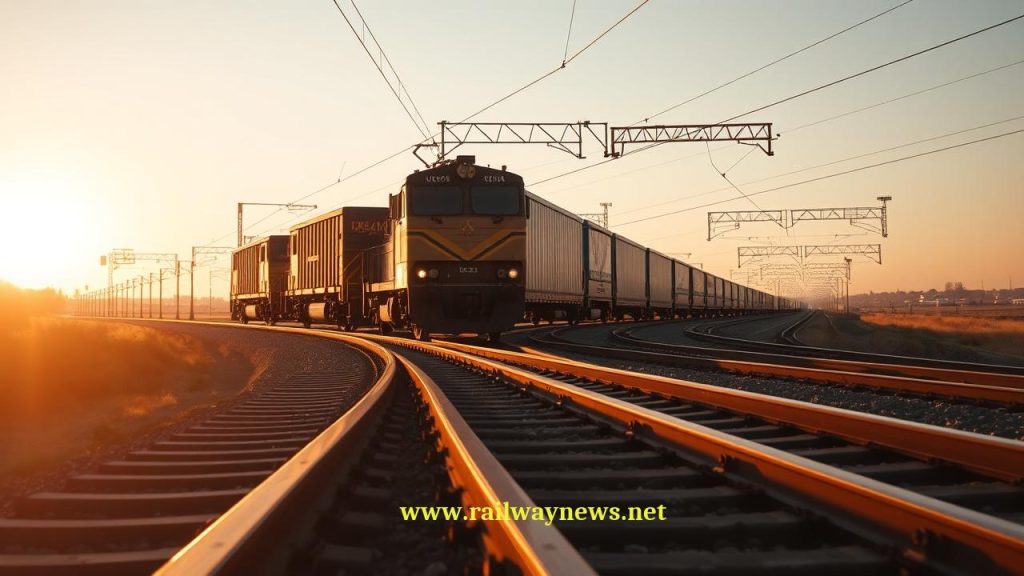
Robust infrastructure is the bedrock of any efficient rail system. This entails meticulous track maintenance, encompassing regular inspections, timely repairs, and the adoption of advanced technologies for proactive identification of potential issues. Proper ballast management and track geometry are essential for minimizing friction and maximizing speed and safety. High-quality bridges and tunnels are critical, and their upkeep ensures uninterrupted travel. Investment in robust signaling systems and communications infrastructure that is compatible across different operating systems is vital. By prioritizing these upgrades, railway authorities can guarantee the seamless and safe operation of the entire network.
Technological Advancements: Streamlining Operations
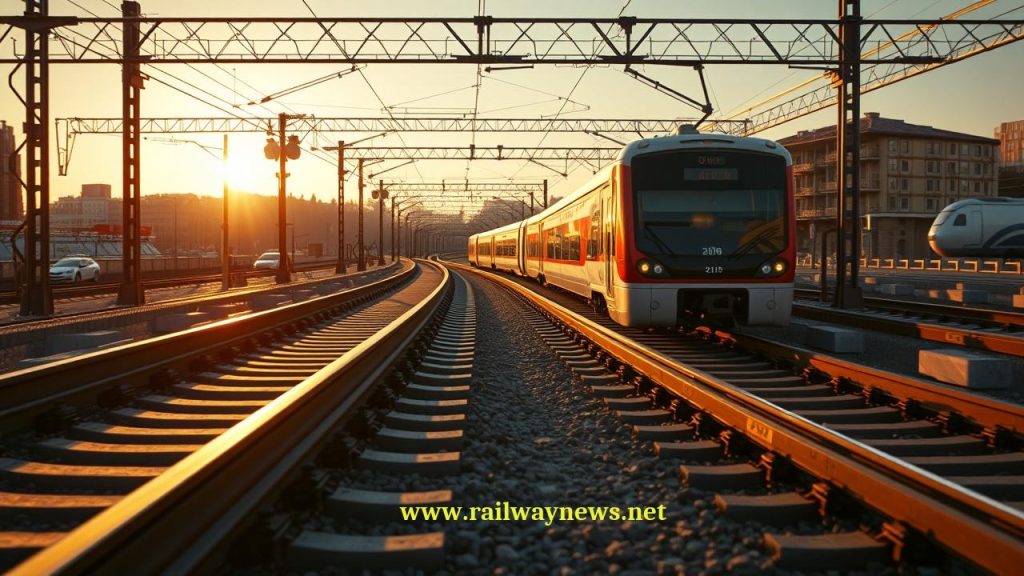
Modern technologies are revolutionizing rail operations. Advanced sensors, real-time data analytics, and precision control mechanisms are transforming maintenance scheduling and predictive maintenance. This proactive approach minimizes unplanned disruptions and maximizes the operational efficiency of the system. Intelligent transportation systems (ITS) enable the integration of various data sources to facilitate smoother train scheduling, passenger flow optimization, and route adjustments. Implementing these technologies leads to reduced delays, improved punctuality, and a heightened level of passenger satisfaction.
Crew Training and Operational Protocols: Enhancing Safety and Efficiency
Well-trained and competent staff are crucial for a reliable and efficient rail system. Comprehensive training programs for all personnel, encompassing various operational procedures, safety protocols, and emergency response mechanisms are essential. Maintaining a high level of professionalism through thorough training is paramount for minimizing risks and maximizing efficiency. Strict adherence to operational protocols and emergency response procedures plays a key role in mitigating potential hazards. The use of standardized operating procedures and adherence to regulations are also vital in ensuring operational safety, reliability, and efficiency.
Maximizing Passenger Experience and Accessibility: A Holistic Approach
A user-friendly experience is pivotal for attracting and retaining customers. Accessibility features, such as ramps and elevators, make the system inclusive for people with disabilities. This enhanced accessibility also benefits passengers and contributes to a more positive overall travel experience. Clear and user-friendly signage, efficient ticketing systems, and comfortable waiting areas are other crucial elements in improving passenger experience. Implementing these enhancements fosters customer loyalty and promotes sustainable growth for the rail system. Furthermore, integrating modern payment systems and streamlined information channels are critical for providing a smooth and convenient travel experience.
Conclusion: Shaping the Future of Rail Systems
Optimizing rail systems involves a multi-faceted approach that encompasses infrastructure upgrades, technological advancements, effective crew training, and a customer-centric focus. By prioritizing these areas, rail authorities can significantly enhance the reliability, efficiency, and overall performance of their systems. The integration of advanced technologies allows for predictive maintenance and improved operational efficiencies, minimizing disruptions and maximizing the use of available resources. Properly trained personnel and robust operational protocols mitigate risks and contribute to the safety of passengers and workers. Prioritizing the passenger experience, through accessibility features and user-friendly amenities, boosts customer satisfaction and encourages usage. This holistic approach not only leads to a more reliable and efficient transportation network but also positions rail systems as a cornerstone of sustainable urban and regional mobility, meeting contemporary demands and fostering future development. In the context of the evolving needs of modern society, rail systems that are well-maintained and efficient are critical for continued success. Investing in these key components and incorporating modern technology provides significant returns, improving the experience for both passengers and employees.
The MTA subway maintenance procedures, for example, are a critical aspect of this strategy. A robust system of maintenance and inspection is crucial to prevent delays, enhance safety, and optimize the performance of these critical urban transit systems.
You might be interested in:
Last April 2019, we published an article about India’s railway electrification. Click here to read – ADB’s $750M Loan: Electrifying Indian Railways
RELATED POSTS
March 5, 2026 7:57 pm
Banedanmark launched battery train operations on Denmark's 67 km Skjern–Holstebro...
March 4, 2026 10:12 am
Amtrak and Siemens deploy 8 Airo trains for the U.S....
March 4, 2026 2:06 pm
Alstom commissioned 76 Flexity LRVs and CBTC signaling for Toronto,...
March 5, 2026 1:38 pm
Wabtec finalized its acquisition of Sweden's Dellner Couplers on February...
Ukraliznytsia launched its first dual-gauge semi-trailer intermodal service, linking Ukraine's...
March 9, 2026 5:45 pm
ÖBB and Wiener Linien launch Vienna S-Bahn 13 km main...