
Optimizing Global Rail Infrastructure for Passenger Experience
Optimize your railway infrastructure for a superior passenger experience. Modern technology and staff training are key to a smooth, safe, and enjoyable journey. Discover how!

Optimizing Railway Infrastructure for Enhanced Passenger Experience
Modern railway systems are complex networks requiring meticulous planning and execution to ensure efficiency and passenger satisfaction. This article delves into the key factors influencing the passenger experience within a railway system, from the initial planning stages to the daily operation. We will explore the importance of infrastructure optimization, the impact of train technology, and the vital role of staff training and customer service protocols in creating a seamless and enjoyable travel experience. Furthermore, we will examine the challenges and opportunities presented by technological advancements, particularly in the realm of advanced train design and the integration of smart technologies into rail operations. This analysis will focus on strategies for enhancing passenger comfort, safety, and overall satisfaction, ultimately aiming to propel the railway industry towards a future of superior travel experiences.
Infrastructure Optimization for Efficiency
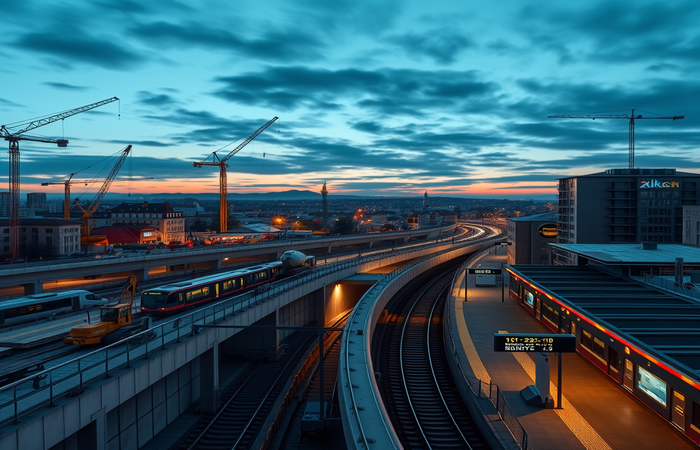
Optimized infrastructure plays a crucial role in maximizing railway efficiency and enhancing the passenger experience. A well-designed track network, incorporating factors such as gradient, curvature, and alignment, minimizes operational challenges. Regular maintenance schedules for tracks, signaling systems, and stations are essential for safety and reliability. Strategic station design, including ample waiting areas, accessible facilities, and clear signage, significantly enhances the passenger journey. Furthermore, the integration of intelligent transportation systems (ITS) technologies, such as advanced traffic management systems and real-time passenger information displays, promotes smooth operations and a user-friendly environment. Ultimately, investments in infrastructure optimization translate to a superior passenger experience characterized by punctuality, comfort, and safety.
Impact of Train Technology on Passenger Comfort and Safety
The evolution of train technology has dramatically altered the passenger experience, increasing levels of comfort and safety. Modern trains feature innovative designs, including spacious interiors with comfortable seating arrangements, onboard entertainment systems, and convenient amenities. Advanced safety systems, such as automatic train protection (ATP) and enhanced braking systems, significantly reduce the risk of accidents. The adoption of high-speed rail technologies allows for faster travel times, further contributing to a more efficient and appealing journey. The development of greener technologies, such as electric locomotives, also aligns with sustainability efforts while providing a quieter and more environmentally friendly traveling experience. The use of new materials and technologies in train construction is key, promoting cost effectiveness, performance and enhancing the passenger experience. For example, the Stadler FLIRT (Flexible Intercity and Regional Train) platform offers a great example in this area with its ability to adapt to various needs and routes.
Staff Training and Customer Service Protocols: The Human Element
Train operators, station staff, and customer service representatives are the face of the railway system, directly impacting the passenger experience. Thorough training programs equip staff with the necessary skills and knowledge to provide efficient and courteous service. Effective communication and problem-solving skills are crucial in addressing passenger needs promptly and effectively. A well-trained and motivated workforce can foster a positive and welcoming environment, enhancing overall satisfaction. This includes handling potential emergencies professionally and providing assistance to travelers with special needs. Moreover, continuous training and performance evaluations for staff are essential to maintain a high standard of service.
Conclusion: A Holistic Approach to Optimizing the Railway Experience
The optimization of railway infrastructure hinges on a comprehensive approach, encompassing meticulous planning, advanced technologies, and well-trained personnel. Efficient infrastructure, crucial for reliable operations, must be complemented by state-of-the-art train technology to offer passengers a comfortable and safe journey. Furthermore, a skilled and customer-centric workforce is indispensable in ensuring smooth transitions and a positive overall experience. The integration of smart technologies, coupled with a focus on sustainability and safety, will become increasingly important in shaping the future of rail travel, allowing for flexible and efficient routes, reducing environmental impact, and providing passengers with a truly modern and enjoyable experience. The success of a railway system is intrinsically tied to the seamless integration of these key elements. A commitment to continuous improvement, exemplified by ongoing technological advancements and rigorous staff training initiatives, will be crucial in maintaining a competitive edge in the evolving transportation landscape. The introduction of innovations like the Stadler FLIRT further showcases the ongoing effort to cater to diverse passenger needs and optimize the overall travel experience. Ultimately, by addressing these key facets, railway systems can not only enhance passenger satisfaction but also bolster their role as essential components of a robust and sustainable transportation network.
You might be interested in:
Last November 2018, we published an article about Morocco’s high-speed rail. Click here to read – Morocco’s High-Speed Rail: A Modern Marvel
RELATED POSTS
June 11, 2025 10:00 am
Sweco wins contract for Munich S-Bahn expansion, boosting rail capacity...

September 6, 2025 4:25 am
Alstom awarded €450M contract to modernize Bucharest-Giurgiu railway line, upgrading...
February 27, 2018 8:36 pm
Berlin's U-Bahn undergoes major upgrades, including rolling stock modernization and...
March 29, 2017 6:30 pm
The LIRR's Ronkonkoma Double Track project, now in its second...
August 15, 2019 7:30 am
Recent Developments in the Global Railway Industry: Financing, Infrastructure Projects,...
November 19, 2022 3:30 am
This article explores the intersection of public art and urban...