
Optimizing Global Rail Infrastructure: Efficiency & Passenger Experience
Optimize your railway infrastructure for unmatched efficiency and passenger experience. Discover how modern track maintenance, signaling, and station design are key to a thriving railway network.

Optimizing Railway Infrastructure for Enhanced Efficiency and Passenger Experience
The global railway industry is undergoing a period of significant transformation, driven by increasing demand for efficient and sustainable transportation solutions. This article delves into crucial aspects of optimizing railway infrastructure to enhance operational efficiency, improve passenger experience, and address the challenges posed by technological advancements and environmental concerns. We will explore crucial elements of track maintenance, signaling systems, station design, and integrated ticketing systems, highlighting their impact on the overall performance of the railway network. The discussion will include considerations for technological integration and sustainable practices to create a comprehensive framework for future railway development. This analysis will focus on maximizing the capacity and safety of railway lines while prioritizing passenger comfort and minimizing environmental impact.
Track Maintenance and Infrastructure Renewal
Maintaining the integrity of railway tracks is paramount for safety and efficiency. Regular track inspections, employing advanced technologies like laser scanning and sensor-based monitoring, are crucial for identifying potential issues early on. This proactive approach reduces the risk of derailments and costly repairs. Strategic infrastructure renewal projects, including the replacement of aging components and the implementation of more durable materials, contribute significantly to long-term cost savings. Proper ballast management and drainage systems are essential to prevent water damage and maintain track stability. This chapter focuses on the best practices for ensuring the safety and longevity of railway tracks. Prioritizing a preventive maintenance schedule is key to avoid potential disruptions and minimize costly downtime for repairs.
Modernizing Signaling and Control Systems
Upgrading signaling and control systems is essential for enhancing safety and capacity on railway lines. The implementation of advanced communication technologies like digital signaling systems and wireless communication networks allows for greater precision in train control, reducing the risk of collisions and optimizing track capacity. Modernizing these systems improves the overall efficiency of train operations, allowing for higher train frequencies and reduced delays. Integration of automatic train control (ATC) and the use of advanced technologies that improve communication between control systems and locomotives are vital improvements to railway efficiency. Furthermore, the ability to adapt to evolving traffic patterns will become critical.
Passenger-Centric Station Design and Amenities
Passenger experience plays a critical role in shaping the perception of a railway system. Modern station designs should prioritize ease of navigation, comfortable waiting areas, and readily available amenities for passengers, including information kiosks, charging stations, and accessible facilities. Integrated ticketing and information systems, seamlessly connecting digital platforms with real-time train updates, provide a convenient and user-friendly experience. The focus should be on minimizing wait times and enhancing the overall comfort and convenience for passengers. The design of stations should also consider accessibility for passengers with disabilities, ensuring that all users can access services with ease and comfort. The experience for passengers is fundamental in the success of a railway system.
Implementing Sustainable Practices and Future-Proofing Infrastructure
Sustainability is no longer an optional feature but a critical aspect of railway development. Utilizing environmentally friendly materials in construction, adopting energy-efficient technologies, and reducing carbon emissions through alternative power sources are vital steps towards a sustainable future. The integration of renewable energy sources, such as solar and wind power, can significantly reduce the environmental footprint of railway operations. The implementation of efficient energy-management systems across the entire network is also a crucial step to maximize sustainability. Furthermore, the incorporation of advanced technologies, such as automated systems and digital solutions, to optimize railway operations are crucial. This will reduce environmental impact and allow for significant cost savings over time. Ultimately, incorporating these practices will not only improve the environmental footprint but also maximize the longevity and effectiveness of the infrastructure and the efficiency of operations for the future.
Conclusions
Optimizing railway infrastructure involves a multifaceted approach addressing various elements critical to passenger experience, operational efficiency, and sustainability. Effective track maintenance, coupled with modernization of signaling systems, is essential for enhancing safety and capacity. Modernizing station design, incorporating a passenger-centric approach to the design and operation, and implementing integrated ticketing systems enhance passenger experience. Integrating sustainable practices and future-proofing infrastructure are crucial components for long-term success and environmental responsibility. By implementing advanced technologies, such as automation and digital solutions, optimized energy management systems, and a proactive maintenance schedule, railways can improve the efficiency of operations, reduce costs, and promote a sustainable approach. The integration of sustainable strategies is paramount to ensure the longevity and effectiveness of railway infrastructure. The future of railways, including the upcoming SMILE train, hinges on the ability to seamlessly integrate advanced technologies, prioritize passenger comfort, and adopt sustainable practices throughout the entire network. By focusing on these key elements, railways can become vital components of modern transportation networks, ensuring efficient, safe, and sustainable mobility for the future.
You might be interested in:
Last December 2018, we published an article about a major high-speed rail contract win. Click here to read – Bombardier Sifang: $453M China High-Speed Rail Win
RELATED POSTS
May 28, 2025 9:00 pm
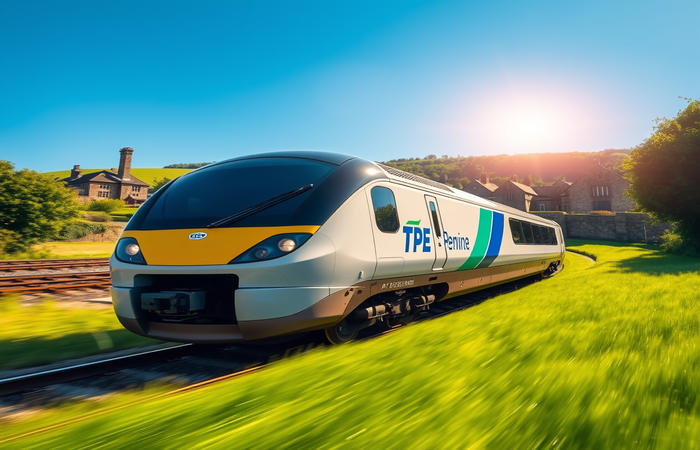
TransPennine Express Transformation: A Success Story in Public Ownership The...
November 1, 2018 12:36 am
Experience the Bombardier MOVIA C30: Sustainable, integrated metro technology,...

July 11, 2007 7:45 pm
Siemens Transportation Systems and China Railway Signal & Communications Corporation...
November 12, 2017 4:42 am
Optimize your railway infrastructure for sustainable mobility. Learn how...

July 26, 2011 11:11 am
Morocco has inaugurated the Rabat-Salé tramway in the capital, which...

November 6, 2015 6:54 am
German transport technology company Vossloh has signed a contract to...