
Optimizing Global Freight Rail: Efficiency & Safety Trends
Optimize freight rail operations for safety and efficiency. Leverage technology, optimize scheduling, and prioritize safety protocols. Discover how!

Optimizing Freight Rail Operations for Efficiency and Safety
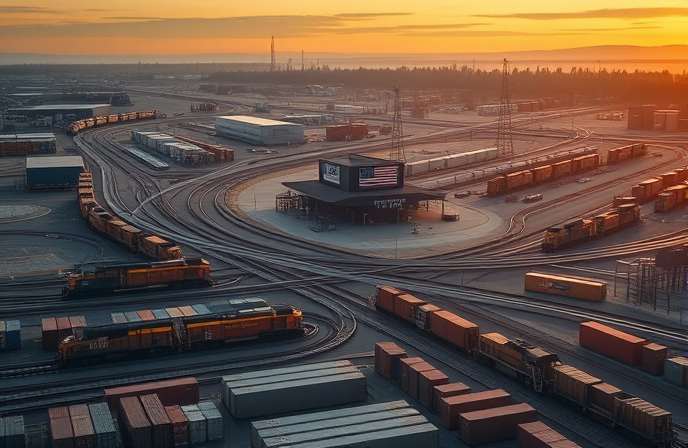
The modern freight rail industry faces a complex interplay of factors affecting its efficiency and safety. This article delves into critical aspects of freight rail operations, examining the challenges and opportunities for improvements. From optimizing train scheduling and routing to leveraging advanced technologies and adhering to stringent safety regulations, we explore strategies to enhance the performance and reliability of freight rail networks. This analysis considers the need for increased sustainability within the freight rail industry, examining innovations in energy efficiency and environmental impact reduction. Ultimately, the goal is to create a safer, more efficient, and environmentally responsible freight rail system for the future.
The Importance of Precise Scheduling and Routing
Effective train scheduling and routing are fundamental to optimizing freight rail operations. A well-defined schedule minimizes delays, maximizing the utilization of rail infrastructure and equipment. Factors like track capacity, signal systems, and terminal handling times must be carefully considered. Dynamic scheduling algorithms, incorporating real-time data on traffic conditions, weather patterns, and equipment availability, can significantly enhance the efficiency and predictability of freight rail operations. Routing optimization, considering the shortest and most efficient routes while adhering to regulatory guidelines, is crucial to minimize transit times and costs. The integration of GIS (Geographic Information System) technology can help visualize and analyze different routes, optimize train paths, and minimize disruptions.
Technological Advancements in Freight Rail
Technological advancements have profound implications for enhancing freight rail operations. Advanced signaling systems, such as CBTC (Communication-Based Train Control) and ATP (Automatic Train Protection), provide enhanced safety and reduce delays. These systems automate train control, reacting dynamically to changing conditions to optimize speed and spacing, potentially decreasing the need for human intervention. The deployment of GPS tracking systems, combined with predictive maintenance models, allows for real-time monitoring of train location, speed, and condition. This data-driven approach can facilitate proactive maintenance schedules, reducing unplanned downtime and increasing the reliability of equipment. Furthermore, the use of IoT (Internet of Things) devices can track the status of cargo and its environment throughout the transport chain, providing real-time updates and enhancing visibility.
Adherence to Safety Regulations and Standards: A Critical Factor
The safety of freight rail operations is paramount. Strict adherence to regulatory guidelines, such as those established by the Federal Railroad Administration (FRA) in the USA or equivalent bodies in other countries, is mandatory. Regular inspections of rail infrastructure, rolling stock, and equipment, combined with comprehensive maintenance programs, are vital in mitigating risks. Crew training programs emphasizing safety protocols and emergency response procedures are crucial. Implementing robust safety management systems (SMS) can be an effective approach for prioritizing safety, fostering a safety-conscious culture, and consistently improving operational safety standards. The use of *DOT-117 railcars* in certain types of freight transport adds a dimension of standardization and safety. These are specifically designed to meet stringent safety requirements.
Conclusions: Fortifying the Future of Freight Rail
The freight rail industry is poised for transformation as it incorporates advanced technologies, optimized scheduling, and a commitment to safety. The careful integration of sophisticated software systems, improved route planning, and rigorous adherence to safety protocols are essential for enhancing efficiency, reducing costs, and mitigating risks. Real-time data analysis and the incorporation of GIS technologies provide invaluable insights for optimizing operations and making informed decisions. Investing in advanced signalling and control systems, such as CBTC and ATP, translates into increased safety and operational efficiency, reducing delays and accidents. Moreover, fostering a culture of safety through comprehensive training and rigorous maintenance procedures is critical to mitigating risks and preventing incidents. The adoption of *DOT-117 railcars* standardizes and enhances safety aspects in specific applications. By proactively addressing these key elements, the freight rail industry can achieve substantial improvements in safety, efficiency, and sustainability in the long term. Further advancement requires collaboration between industry stakeholders, regulatory bodies, and research institutions to drive innovation and development of new solutions, fostering a more modern and reliable freight rail transportation system.
You might be interested in:
Last December 2018, we published an article about Stadler’s electric trains modernizing Ferrovie Nord Milano’s rail network. Click here to read – Stadler’s Electric Trains: Modernizing FNM’s Rail Network
RELATED POSTS

April 30, 2008 11:42 pm
India is to help Iran build a crucial freight rail...
April 24, 2022 11:02 pm
This article explores the significant refurbishment of Glasgow Queen Street...
February 25, 2012 6:06 am
Porto Alegre Metro expands, adding a 9.3km extension to Novo...
July 6, 2023 1:35 am
This article explores the strengthening partnership between Pandrol, a leading...
May 26, 2018 4:57 pm
TMH and Hitachi's joint venture produces high-performance traction inverters, revolutionizing...
July 18, 2025 10:33 pm
Union Pacific and Norfolk Southern are in merger talks, sparking...