
Optimize Light Rail: X-Trapolis & Rail Innovations
Maximize light rail efficiency! Optimize your network with advanced signaling, predictive maintenance, and data-driven insights. Discover how!

Optimizing Light Rail Systems: A Holistic Approach
The efficiency and effectiveness of light rail transit (LRT) systems are paramount for the smooth functioning of modern cities. This article delves into the multifaceted aspects of optimizing light rail operations, exploring key areas that significantly impact performance and passenger experience. We will examine the crucial role of rolling stock maintenance, the importance of sophisticated signaling and control systems, the impact of network planning and infrastructure upgrades, and finally, the influence of integrated data analysis and predictive modeling for proactive decision-making. Understanding and addressing these elements is essential for building robust, reliable, and cost-effective LRT networks that meet the evolving needs of urban populations. We will explore how strategic investments in technology and infrastructure can lead to increased ridership, reduced operational costs, and improved overall service quality, creating a more sustainable and efficient transportation solution for urban centers.
Rolling Stock Maintenance and Lifecycle Management
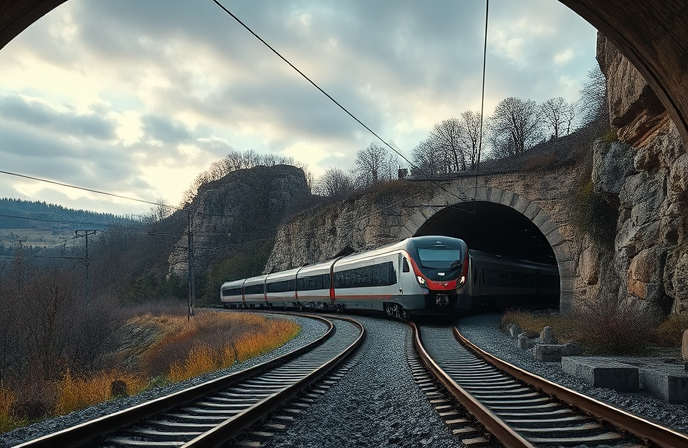
The heart of any efficient light rail system lies in its rolling stock. Regular and preventative maintenance of X-Trapolis trains and other light rail vehicles (LRVs) is crucial for maximizing their operational lifespan and minimizing disruptions. This includes scheduled inspections, component replacements, and proactive repairs to prevent major failures. A well-defined maintenance schedule, incorporating predictive analytics based on real-time data from onboard diagnostics, allows for timely interventions, preventing costly breakdowns and ensuring high availability. Implementing a comprehensive lifecycle management strategy, from procurement to eventual decommissioning, is essential for managing costs and optimizing the overall value derived from the fleet. This includes considering factors like refurbishment options to extend the lifespan of LRVs and efficient disposal methods to minimize environmental impact.
Advanced Signaling and Control Systems
Modern signaling systems are fundamental to ensuring safe and efficient train operations. Advanced signaling technologies, such as Automatic Train Protection (ATP) and Communication-Based Train Control (CBTC), enhance safety by preventing collisions and enforcing speed limits. These systems also enable optimized train scheduling and headway management, maximizing line capacity and minimizing delays. Integration with other systems, such as passenger information systems, allows for real-time updates on train schedules and potential disruptions, enhancing the passenger experience. Investing in robust and future-proof signaling infrastructure is essential for adapting to increasing ridership and maintaining operational efficiency in the long term. Regular updates and upgrades are also vital to keep the system compatible with advancing technological developments.
Network Planning and Infrastructure Enhancements
Efficient network planning plays a crucial role in maximizing the utilization of the light rail system. This involves analyzing ridership patterns, identifying potential bottlenecks, and strategically planning expansions or upgrades to accommodate future growth. Factors such as station placement, track geometry, and integration with other modes of transportation should be carefully considered. Regular assessments of infrastructure condition and proactive maintenance are also crucial for preventing disruptions and ensuring the longevity of the system. Investing in sustainable infrastructure, such as using environmentally friendly materials and adopting energy-efficient technologies, can also contribute to long-term cost savings and reduce the environmental footprint of the railway.
Data Analytics and Predictive Modeling
The increasing availability of data from various sources, including onboard diagnostics, passenger counters, and signaling systems, presents a tremendous opportunity to optimize light rail operations. Advanced data analytics techniques can be employed to identify patterns, predict potential issues, and support proactive decision-making. Predictive modeling can forecast ridership demand, optimize scheduling, and identify potential maintenance needs before they lead to disruptions. This data-driven approach allows for more efficient resource allocation and proactive interventions, reducing operational costs and improving overall service reliability. The integration of these data-driven approaches with the other systems and strategies discussed above creates a truly holistic approach to optimization.
Conclusion
Optimizing light rail systems requires a holistic approach that considers various interconnected factors. From meticulous rolling stock maintenance and lifecycle management to the implementation of cutting-edge signaling and control systems, efficient network planning and infrastructure enhancements are all crucial components. Furthermore, the integration of advanced data analytics and predictive modeling capabilities enables proactive decision-making, further enhancing efficiency and reliability. By strategically investing in these areas, light rail operators can significantly improve service quality, increase ridership, reduce operational costs, and create a more sustainable and efficient urban transportation solution. The successful implementation of these strategies relies on a commitment to continuous improvement, leveraging technological advancements, and a strong focus on data-driven insights. This integrated approach ensures the long-term success and sustainability of light rail networks, providing reliable and efficient transport for communities worldwide. The use of modern rolling stock, such as X-Trapolis trains, which often incorporate advanced technologies for monitoring and maintenance, further enhances the potential for optimization and improved performance within the light rail system.
You might be interested in:
Last May 2019, we published an article about optimizing light rail fleet management. Click here to read – Copenhagen’s Ring 3: IVU.suite Optimizes Light Rail
RELATED POSTS
December 27, 2020 12:37 am
Khaf-Herat railway, a crucial railway sector news item, connects Iran...

October 15, 2009 8:52 pm
Saudi Arabia’s Islamic Development Bank has agreed to finance the...
September 30, 2019 10:04 am
This article explores the implementation of the European Train Control...
October 3, 2017 9:36 pm
Outdated rail infrastructure hinders safety and efficiency. Upgrade your...
July 21, 2025 7:33 pm
Czech Railways introduces ComfortJet trains on the Prague-Berlin route, enhancing...
April 11, 2019 5:18 am
Queensland's New Generation Rollingstock (NGR) is getting a massive upgrade!...