
Ohio Rail Upgrade: NDW Track Rehab, Safety & Efficiency
Here’s the rewritten news article:
Rail Infrastructure Upgrade in Northwest Ohio
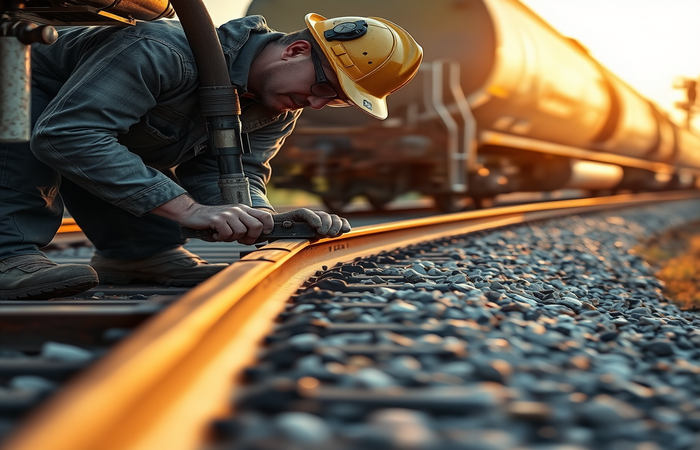
The Ohio Rail Development Commission (ORDC) has recently greenlit a significant investment in the Napoleon, Defiance & Western Railway (NDW), signaling a commitment to bolstering rail infrastructure in Northwest Ohio. This project, encompassing the replacement of critical components like railway ties and the broader rehabilitation of the track, underscores the importance of maintaining a robust and efficient rail network. This article will delve into the specifics of the ORDC grant, the scope of the NDW’s track rehabilitation project, and its impact on the region’s rail transportation capabilities. Furthermore, it will briefly highlight another ORDC-approved project, providing context to the ongoing efforts to enhance safety and efficiency across Ohio’s rail system. The improvements aim to not only extend the lifespan of the infrastructure but also to improve the safety and capacity of the railway, facilitating smoother and more reliable freight transportation, which is essential for economic growth and regional connectivity.
Track Rehabilitation: A Critical Investment
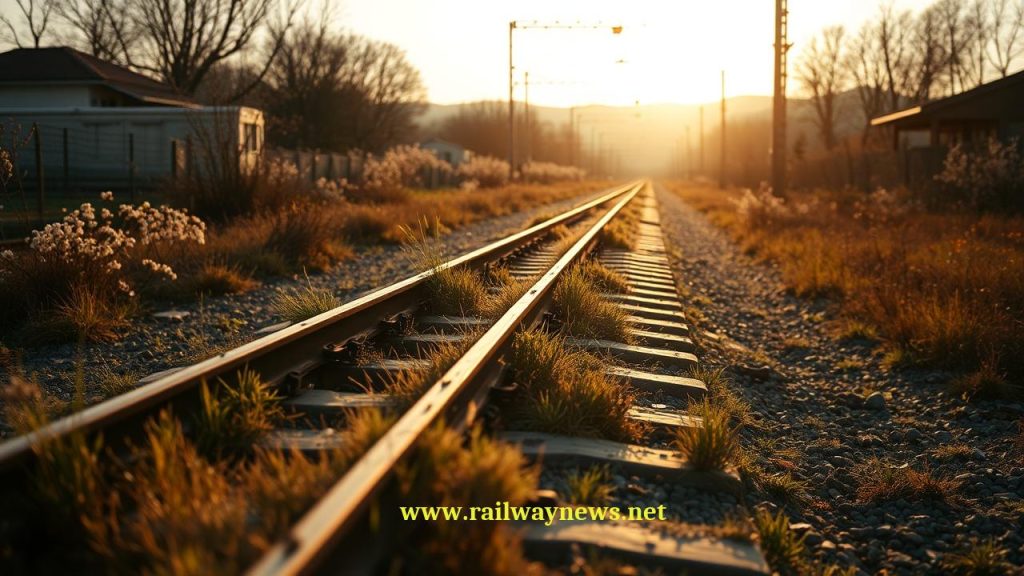
The ORDC has approved a substantial grant of $491,700 for the NDW. This funding is earmarked for the replacement of 7,000 railway ties along the line connecting Defiance and Napoleon, Ohio. The total cost of the project is estimated at $983,400, with the ORDC grant covering a significant portion of the expenses. The NDW, currently managed by Patriot Rail Co., operates a 43-mile stretch of track running from Woodburn, Indiana, to the outskirts of Napoleon, Ohio.
Under the management of Patriot Rail Co., the NDW has prioritized the modernization of the rail line. The recent focus on rail rehabilitation is a direct response to the previous lag in regular maintenance. The upgrade is critical because ties are a key component in the safe and efficient operation of a rail line. Over time, these ties deteriorate from weather, heavy use, and age, which can lead to track geometry issues that negatively affect the performance of trains. Replacing them improves the track’s ability to handle the weight of passing trains, reducing the chances of derailment and track degradation.
Enhancing Safety and Efficiency
Beyond the tie replacement initiative, the NDW is also benefiting from a recently awarded federal grant. This additional funding will be used to replace rail sections along the same segment of the track. This integrated approach, combining both tie and rail replacement, ensures a comprehensive upgrade. Rail replacement improves the track’s ability to handle the weight of passing trains, reducing the chances of derailment and track degradation. Rail replacement can involve the use of continuously welded rail (CWR), reducing the number of joints and thus providing a smoother ride.
Furthermore, the installation of updated signaling systems and the implementation of advanced track inspection technologies contribute significantly to enhanced safety. The combination of these elements not only contributes to the safety of the operations, but also enhances the railway’s capacity. Modernized rail infrastructure enables increased train speeds, shorter travel times, and the ability to handle heavier freight loads, resulting in improved operational efficiency.
Additional ORDC Investments
Alongside the NDW project, the ORDC has also approved a $450,000 grant to Willoway Nurseries Inc. in Ceylon, Ohio. This grant will facilitate the installation of essential safety features at a railway crossing located on the company’s property. This initiative involves the installation of lights and gates, enhancing the safety of the crossing. These safety improvements are designed to prevent collisions between trains and vehicles by providing adequate warning signals and physical barriers.
The installation of lights and gates is crucial because it signals to vehicles that a train is approaching or present on the tracks. These measures make it safer for the employees, visitors, and the public.
Conclusion
The recent investments by the ORDC highlight a proactive approach to enhancing Ohio’s rail infrastructure. The grant to the NDW represents a critical step in modernizing the rail line, ensuring its continued functionality and supporting the regional economy. The comprehensive approach, encompassing both tie and rail replacement, will improve operational efficiency. The ORDC’s commitment to rail safety, demonstrated by the grant to Willoway Nurseries Inc., further underscores the importance of maintaining a secure and reliable rail network. These efforts collectively contribute to the overall economic development of the region. The modernization of rail infrastructure supports a robust and efficient freight transportation system, which is vital for business, trade, and connectivity across Ohio. These investments reflect a strategic vision for the future of rail in Ohio, demonstrating a commitment to its efficiency, safety, and sustainability. The commitment to this work reflects a forward-thinking approach that aims to improve the safety, efficiency, and capacity of the rail network.
RELATED POSTS

April 7, 2026 4:33 pm
From HS2's $137bn to California's $126bn rail disaster — discover...
April 1, 2026 6:21 pm
Federal Transit Administration awarded $20.6 billion in formula-based apportionments to...
April 1, 2026 8:40 pm
BNSF Railway expands Galesburg, Illinois, yard capacity, with second hump...
April 1, 2026 12:10 pm
Alstom secured a €410 million contract from CFR SA to...
April 6, 2026 4:18 pm
Japan approved a strategic rail pivot from FY1996–2025, expanding 1,156...
April 7, 2026 2:00 am
Northern Indiana Commuter Transportation District opened its 8-mile South Shore...