
OCTA’s Coastal Rail Resiliency: Climate Resilience & Rail Infrastructure

OCTA Launches Public Meetings to Fortify Coastal Rail Corridor Against Climate Threats
Southern California’s vital coastal rail corridor is facing mounting pressure from rising sea levels and unstable terrain, prompting a proactive response from the Orange County Transportation Authority (OCTA). In July, OCTA will host a series of public meetings, inviting community input on long-term strategies to safeguard approximately seven miles of track between Dana Point and the San Diego County line. This initiative, part of the Coastal Rail Resiliency Study (CRRS), aims to address the ongoing risks of erosion and slope instability that have disrupted passenger and freight rail operations in recent years. These meetings represent a critical step in the multi-year project to protect a critical infrastructure asset, essential to both passenger and freight movements, from the effects of climate change. The goal is to develop comprehensive solutions, the findings of which will be published by 2026, to ensure the long-term viability of this essential transportation link.
The Vulnerable LOSSAN Corridor
The coastal rail line in question is part of the Los Angeles-San Diego-San Luis Obispo (LOSSAN) Corridor, a 351-mile stretch that is the second-busiest intercity passenger rail route in the United States. This strategic railway carries significant freight, handling over USD 1 billion in annual shipments. Furthermore, the U.S. Department of Defense recognizes the corridor as a Strategic Rail Corridor Network (STRACNET) asset due to its crucial role in supporting military bases and port operations. The repeated closures of sections of the line in recent years—particularly in San Clemente—due to storm damage and shifting ground demonstrate the urgent need for both immediate and long-range interventions. The CRRS, separate from ongoing emergency repairs, is strategically focused on the long-term protection of this crucial segment of the LOSSAN Corridor.
Emergency Stabilization Works Underway
Simultaneous to the CRRS, OCTA and Metrolink are leading emergency stabilization efforts at specific priority locations along the affected rail line. Since late April, these works have included the placement of 5,900 tons of riprap, a protective layer of large stones, to mitigate further erosion of the track bed. Crews are also repositioning existing materials and are preparing to construct a 1,400-foot retaining wall. This retaining wall, supported by approximately 240,000 cubic yards of sand, is designed to reinforce the rail bed from the coastal side, providing immediate stabilization to sections of the track facing the most imminent risks. These short-term measures are essential in mitigating immediate hazards, but they do not address the underlying, long-term challenges posed by coastal erosion and climate change.
CRRS: A Long-Term Vision
The CRRS represents a forward-thinking approach, extending beyond the immediate emergency fixes. The study’s scope encompasses a broad assessment of long-term alternatives to maintain continuous rail service along the coastal line. This includes a thorough evaluation of the evolving threats associated with climate change, including sea level rise, extreme weather events, and land movement along the coastline. The public meetings, held in July, are a vital element of the CRRS, designed to gather input from residents and stakeholders to inform the development of draft alternatives. This collaborative approach ensures that the solutions developed are tailored to the specific needs of the community and effectively address the unique challenges of this sensitive coastal environment. The final feasibility report is expected in 2026, representing a comprehensive blueprint for long-term resilience.
The Role of Public Feedback
Public input is a critical element in the success of the CRRS. Feedback from the July meetings will directly inform the development and evaluation of proposed solutions, ensuring that community concerns and expertise are incorporated into the planning process. OCTA emphasizes the importance of public engagement in shaping the future of this vital rail corridor. The gathered data will be used to help shape the final recommendations of the CRRS.
Conclusion
OCTA’s proactive approach to protecting the coastal rail corridor highlights the increasing importance of resilience planning in the face of climate change. The CRRS, coupled with ongoing emergency repairs, demonstrates a comprehensive strategy for addressing both immediate vulnerabilities and long-term sustainability. The project has significant implications for the broader rail industry, underscoring the need for proactive infrastructure investment and community engagement in vulnerable coastal regions. The finalization of the CRRS in 2026 will provide a roadmap for safeguarding a crucial transportation link, ensuring the continuity of passenger and freight services. It is a significant investment to the national defense system and should be followed by similar actions by the other agencies.
RELATED POSTS

April 12, 2025 12:57 am
AI-Powered Wildlife Detection Systems for Enhanced Railway Safety The increasing...

April 9, 2025 8:46 pm
This article delves into the significant contract awarded to Alstom...
December 22, 2021 3:23 am
Modernization of the Madrid-Seville High-Speed Rail Line: A Technological Upgrade...
June 2, 2025 4:00 pm
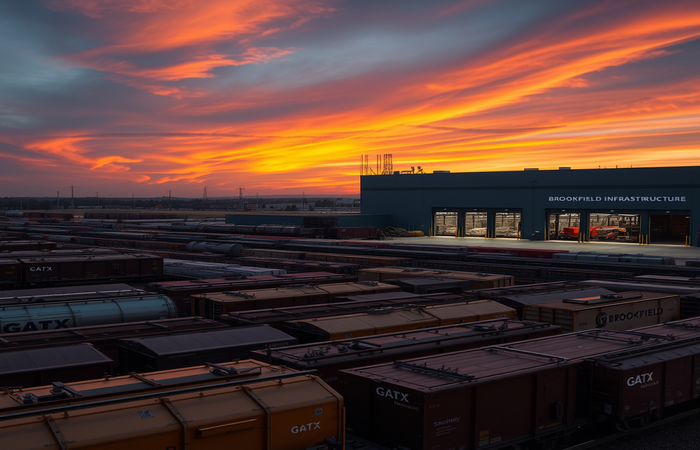
GATX and Brookfield Infrastructure are acquiring Wells Fargo's rail assets...

October 4, 2024 12:25 pm
RailPulse Launches National Railcar Telematics Platform to Boost Freight Efficiency...
March 13, 2021 10:02 pm
The Integration of UV-C Technology for Enhanced Hygiene in Rail...