
NYC Subway’s R211 Revolution: Modernization & Upgrade
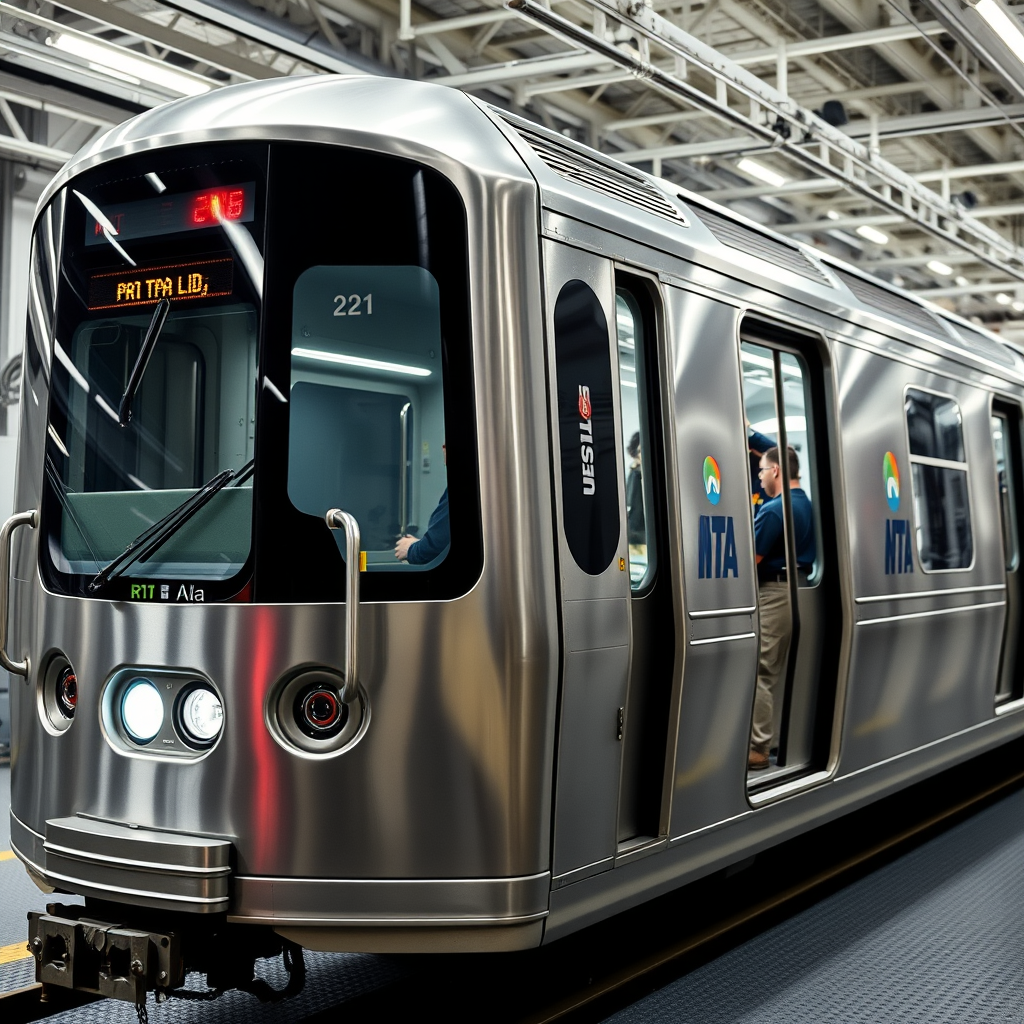
Modernizing the New York City Subway: The R211 Subway Car Acquisition
The Metropolitan Transportation Authority (MTA) is undertaking a significant modernization of its New York City subway system, a crucial initiative given the aging infrastructure and the increasing demands of a growing population. This article will delve into the recent MTA announcement regarding the acquisition of 435 additional R211 subway cars, examining the significance of this purchase within the broader context of the MTA’s fleet renewal strategy. We will explore the technological advancements incorporated into the R211 design, the economic implications of such a large-scale purchase, and the impact this will have on the overall passenger experience and the reliability of the subway system. The discussion will further examine the strategic replacement of older rolling stock, the phased approach to modernization, and the long-term benefits this investment represents for commuters and the city’s infrastructure. The article will also briefly touch upon other modernization efforts within the MTA network.
The R211 Subway Car: Technological Advancements and Improved Passenger Experience
The R211 subway car represents a significant leap forward in subway technology. Compared to the aging R44s, R46s, and R68s it is set to replace, the R211 boasts several key improvements. These include enhanced accessibility features such as wider doors and designated accessible seating, improving ease of access for passengers with disabilities. The inclusion of security cameras and improved lighting significantly enhances passenger safety and security. The design also incorporates advanced diagnostics and predictive maintenance capabilities, minimizing downtime and increasing the overall reliability of the fleet. The introduction of 80 open-gangway cars also represents a notable step toward improving passenger flow and reducing congestion during peak hours.
Strategic Fleet Replacement and Phased Modernization
The MTA’s approach to fleet modernization is strategic and phased. The acquisition of the 435 R211 cars (building on previous orders of 535 and 640 cars) is not an isolated event, but a crucial step in a larger, long-term plan to replace outdated rolling stock across the entire subway system. The prioritization of lines and the systematic replacement of older cars are crucial factors. The plan acknowledges the need to maintain service while upgrading the fleet, minimizing disruption to daily commutes. The phased approach minimizes operational challenges and allows for efficient resource allocation.
Economic Considerations and Funding
The estimated cost of $1.27 billion for this acquisition highlights the significant financial investment required for large-scale infrastructure modernization. This investment underscores the MTA’s commitment to upgrading its infrastructure, even with the inherent financial burden. Securing funding for such projects requires careful planning and strategic resource allocation. It also necessitates engaging with local, state, and potentially federal agencies to obtain the necessary funding. The long-term economic benefits, including improved reliability, increased ridership, and reduced maintenance costs, must be considered alongside the upfront investment costs.
Broader Modernization Efforts within the MTA
The R211 acquisition is part of a much wider effort by the MTA to modernize its entire network. Recent announcements include the introduction of new open-gangway trains on the G line and the procurement of new 4,200hp locomotives for the Metro-North Railroad. These projects, in conjunction with the R211 rollout, demonstrate the MTA’s commitment to improving the overall reliability, safety, and passenger experience across its entire system. These combined investments showcase a comprehensive strategy targeting efficiency, sustainability, and enhanced accessibility across various transportation modes within the MTA network. The modernization initiatives extend beyond just rolling stock; they also include infrastructure upgrades, signal system improvements, and station renovations. A holistic approach to infrastructure renewal is necessary to meet the current and future demands of the transportation system.
Conclusions
The MTA’s decision to acquire an additional 435 R211 subway cars represents a critical step in its ongoing modernization strategy. The acquisition is not merely about purchasing new trains; it is a statement of commitment to improving the reliability, safety, and overall passenger experience of the New York City subway system. The R211 cars, with their advanced features and improved accessibility, offer a significant upgrade compared to the older models they will replace. The phased approach to fleet replacement minimizes disruption and allows for effective resource management. While the financial investment is substantial, the long-term economic benefits – including increased ridership, reduced maintenance costs, and improved operational efficiency – will outweigh the initial expenditure. The strategic integration of this purchase with other modernization initiatives across the broader MTA network signifies a holistic and comprehensive commitment to revitalizing the city’s crucial transportation infrastructure. This continuous investment in modern rolling stock, coupled with upgrades to signaling and track systems, promises a more reliable, efficient, and passenger-friendly subway experience for millions of New Yorkers for decades to come. The long-term impact on the city’s economy and social fabric should not be underestimated; reliable public transportation is crucial to a thriving urban environment.
RELATED POSTS
April 1, 2026 6:21 pm
Federal Transit Administration awarded $20.6 billion in formula-based apportionments to...
April 1, 2026 8:40 pm
BNSF Railway expands Galesburg, Illinois, yard capacity, with second hump...
April 1, 2026 12:10 pm
Alstom secured a €410 million contract from CFR SA to...
April 1, 2026 4:31 pm
Network Rail upgraded Berrylands station platforms for £6 million, replacing...
April 2, 2026 8:35 am
Alstom secured a €22 million contract with Mazovia Railways for...
April 2, 2026 2:33 am
RTD Denver suspends D, H, L light-rail service from June...