
NYC L Train Upgrade: Bedford Ave Station Modernization

Modernizing New York City’s Transit Infrastructure: The Bedford Avenue L Train Station Upgrade
This article examines the recent upgrades to the Bedford Avenue L train station in Brooklyn, New York, as a case study in modernizing aging railway infrastructure. The project, part of the larger Canarsie Tunnel rehabilitation, highlights the complexities involved in balancing accessibility improvements, increased capacity needs, and the challenges of major construction within a densely populated urban environment. We will delve into the specifics of the Bedford Avenue station upgrades, exploring the integration of Americans with Disabilities Act (ADA) compliance, capacity enhancements, and the broader context of the Canarsie Tunnel rehabilitation project. Further, we will discuss the strategic importance of such upgrades within the wider framework of the Metropolitan Transportation Authority’s (MTA) capital plan and the implications for future transit infrastructure projects, focusing on innovation, cost-effectiveness, and the ongoing need for sustainable funding solutions.
Canarsie Tunnel Rehabilitation and its Impact on the L Train
The Bedford Avenue L train station improvements are intrinsically linked to the broader Canarsie Tunnel rehabilitation project. This project, necessitated in part by the damage inflicted by Superstorm Sandy in 2012, involved extensive repairs and upgrades to the tunnel infrastructure connecting Brooklyn and Manhattan. The scale of the undertaking demanded a comprehensive approach, extending beyond simple repairs to encompass improvements in capacity and accessibility. This project presented a unique opportunity to not only restore the tunnel’s functionality but also to enhance the overall passenger experience and address long-standing accessibility issues within the L train system.
ADA Compliance and Accessibility Enhancements
A key component of the Bedford Avenue station upgrade was the implementation of ADA (Americans with Disabilities Act) compliance. This involved the installation of new elevators and ramps, ensuring seamless access for passengers with disabilities. The incorporation of ADA compliance underscores a shift towards a more inclusive and equitable transit system, emphasizing the importance of accessibility in modern railway design and operation. The successful integration of ADA features at Bedford Avenue sets a precedent for future station renovations across the MTA network.
Capacity Improvements and Operational Efficiency
Beyond accessibility upgrades, the project focused on expanding the station’s capacity to handle increased passenger loads. This involved the refurbishment of existing platforms and potentially the implementation of improved signaling and train control systems (though specifics aren’t detailed in the provided text). Increased capacity is crucial for mitigating overcrowding during peak hours and ensuring a smoother, more efficient passenger flow. Furthermore, the construction of new electrical substations—one in Manhattan and two in Brooklyn—will boost the operational capacity of the L train line by allowing for 10% more trains during peak hours, directly addressing the issue of capacity constraints within the system.
Financial Sustainability and Future Planning
The MTA’s president highlighted the importance of a fully funded Capital Plan to sustain progress on vital infrastructure projects. The Bedford Avenue station upgrade serves as a testament to the potential of innovative construction methods and technologies to deliver projects efficiently. However, the success of such initiatives hinges on securing adequate funding. The call for federal funding emphasizes the crucial role of government investment in ensuring the long-term viability of the nation’s public transit infrastructure. Continuous investment in upgrades and modernization efforts is not merely a matter of maintaining existing services but also of adapting to the evolving needs of a growing population and striving for a more efficient and inclusive transportation system.
Conclusions
The Bedford Avenue L train station upgrade exemplifies a multifaceted approach to modernizing railway infrastructure. The project successfully integrated ADA accessibility features, expanded station capacity, and contributed to the broader Canarsie Tunnel rehabilitation, demonstrating how large-scale infrastructure projects can address multiple challenges simultaneously. The successful completion of this project, despite the challenges posed by Superstorm Sandy and the COVID-19 pandemic, highlights the MTA’s ability to leverage innovative construction techniques to deliver complex projects effectively. However, the ongoing need for substantial federal funding underscores the financial realities inherent in large-scale public transit improvements. The success of the Bedford Avenue station upgrade, and similar projects, depends not only on efficient execution but also on the securing of long-term, sustainable funding to continue modernizing and enhancing New York City’s vital transit network. The implications extend far beyond a single station, shaping the future of public transportation in a major metropolitan area and setting a precedent for other cities facing similar infrastructural challenges. The project’s emphasis on accessibility, efficiency, and sustainable practices provides a valuable model for future transit improvements worldwide. Continuous investment in infrastructure, coupled with innovative solutions and robust financial planning, is essential for creating resilient and equitable transportation systems capable of meeting the demands of a growing and evolving urban landscape.
RELATED POSTS

September 23, 2008 3:51 pm
Alcatel-Lucent and Thales have announced that they have signed two...

April 25, 2013 11:24 am
Thales has received a contract from Delhi Metro Rail Corporation...
August 17, 2018 4:57 am
ScotRail's new Rambus mobile ticketing system streamlines operations and enhances...

July 3, 2025 5:33 am
Spain's Adif boosts high-speed rail capacity on the Palencia-León line,...
March 27, 2025 6:46 am
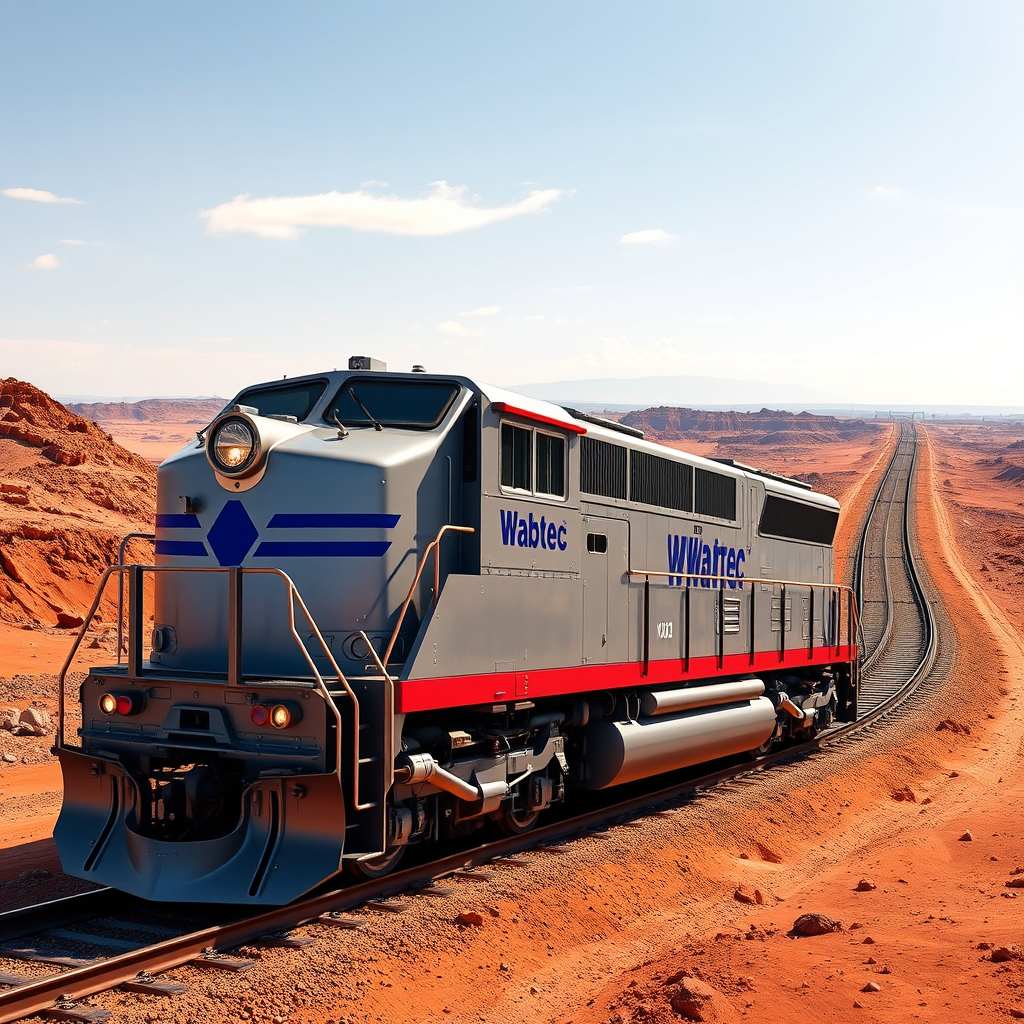
This article examines the significant contract awarded to Wabtec Corporation...
April 21, 2018 3:52 am
Balfour Beatty's £115 million contract with Network Rail delivers 13...