
Nurminen Logistics Expands: Essinge Rail Acquisition
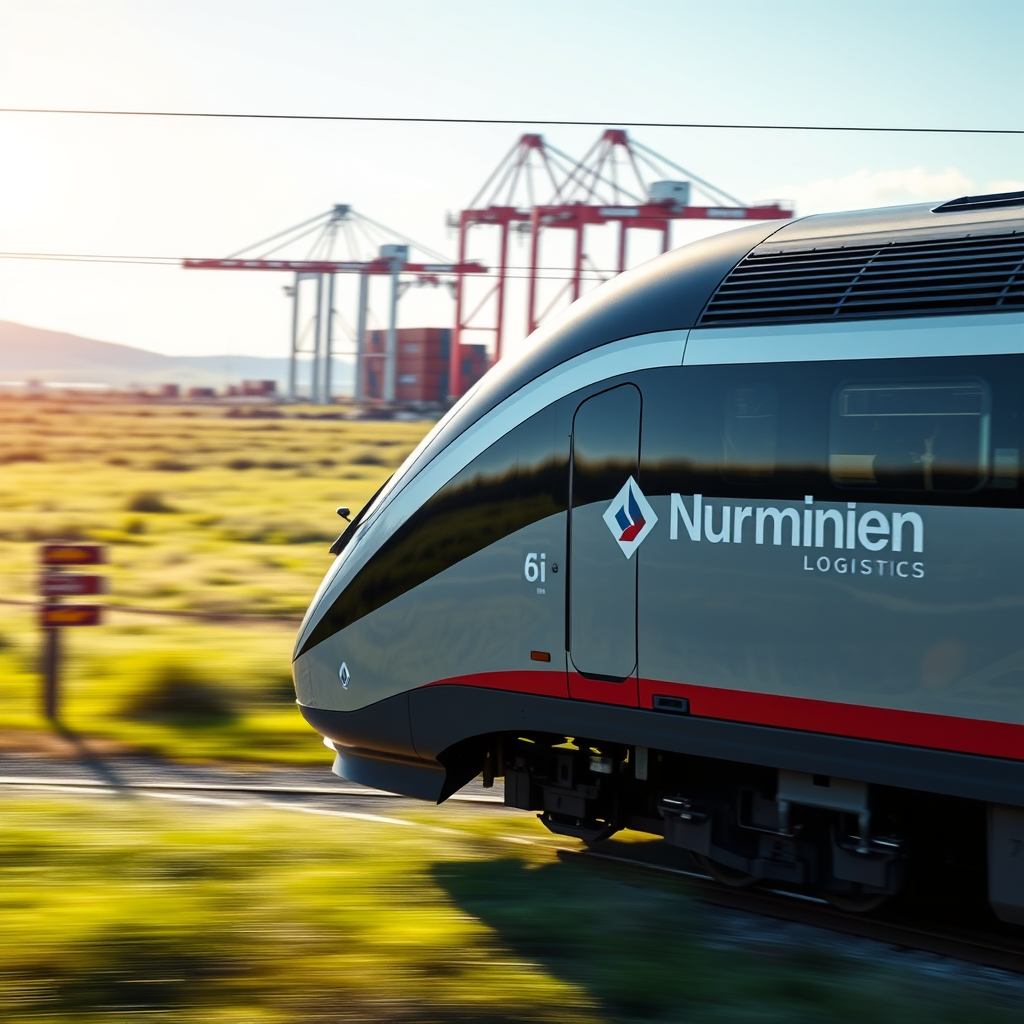
The acquisition of Essinge Rail by Nurminen Logistics represents a significant development in the European rail freight market. This strategic move expands Nurminen’s operational reach and service capabilities, solidifying its position as a leading provider of rail transport solutions across the Nordic and Continental European regions. This article will explore the implications of this acquisition, analyzing its impact on market competition, sustainability initiatives, and the broader shift towards environmentally conscious freight transportation. We will examine the specific synergies between the two companies, the competitive landscape, and the long-term strategic goals driving this merger, while also considering the broader context of the evolving European freight transportation market. The increasing demand for efficient and sustainable logistics solutions, coupled with growing environmental concerns and geopolitical instability, makes this acquisition a timely and important development within the rail industry.
Nurminen’s Strategic Expansion in European Rail Freight
Nurminen Logistics’ acquisition of Essinge Rail significantly enhances its presence within the European rail freight sector. The acquisition provides access to Essinge Rail’s established network and expertise, particularly its extensive Less than Container Load (LCL) services. LCL refers to the transportation of goods that do not constitute a full container load. This acquisition allows Nurminen to offer a more comprehensive suite of services, catering to a wider range of clients, from large industrial players to smaller importers and exporters. This strategic move strengthens Nurminen’s position in both the Swedish and Finnish markets while simultaneously providing access to new routes and opportunities across Central Europe. The integration of Essinge Rail’s network will allow Nurminen to offer more seamless and efficient transport solutions, boosting its competitive advantage within the increasingly competitive freight transport market.
Synergies and Competitive Advantages
The merger of Nurminen and Essinge Rail creates significant synergies. Essinge Rail’s expertise in LCL services complements Nurminen’s existing scheduled rail traffic, offering a complete solution for customers of all sizes. This expanded service portfolio provides a significant competitive advantage, enabling Nurminen to attract a broader customer base and strengthen its market share. The combined entity benefits from economies of scale, allowing for optimized resource allocation and operational efficiencies. Furthermore, the integration of Essinge Rail’s network expands Nurminen’s geographical reach, improving transit times and offering greater flexibility to its customers. This improved operational efficiency and wider geographic coverage gives Nurminen a substantial edge in the competitive landscape.
Sustainability and Environmental Responsibility
Both Nurminen and Essinge Rail share a strong commitment to environmental sustainability. Essinge Rail’s silver rating in the EcoVadis assessment underscores its dedication to responsible business practices. This alignment in values is crucial, given the growing importance of environmental considerations within the logistics industry. The shift towards low-emission transportation options is driven by increasing operational costs associated with fuel and stricter environmental regulations. By promoting rail transport, which boasts significantly lower emissions compared to road transport, Nurminen and Essinge Rail are positioning themselves at the forefront of a sustainable future for the industry. The emphasis on LCL services further supports this commitment by making sustainable rail transport more accessible to a wider range of businesses.
The Broader Market Context and Future Outlook
This acquisition takes place within a dynamic and evolving market. The global landscape is characterized by rising geopolitical uncertainty and increasing pressure to secure supply chains. The demand for reliable and efficient freight transport solutions is intensifying, with a strong emphasis on sustainability and resilience. The integration of Essinge Rail positions Nurminen to capitalize on these market trends, offering clients not only efficient services but also the peace of mind that comes with robust and sustainable supply chain solutions. The combined entity is well-positioned to navigate the complexities of the modern logistics industry, leveraging its expanded network, enhanced service offerings, and commitment to environmental sustainability to achieve continued growth and success.
Conclusions
The acquisition of Essinge Rail by Nurminen Logistics represents a significant strategic move with far-reaching implications for the European rail freight market. By combining their strengths and expertise, the merged entity creates a powerful force capable of capitalizing on growing market demands for efficient, sustainable, and resilient supply chain solutions. The synergistic combination of Nurminen’s existing network and scheduled services with Essinge Rail’s LCL expertise creates a comprehensive service offering capable of attracting a broad range of customers. This broadened service portfolio strengthens Nurminen’s competitive position within the Nordic and Continental European markets, allowing it to offer a wider range of transport options and cater to the evolving needs of businesses across various sectors. The shared commitment to environmental sustainability, highlighted by Essinge Rail’s EcoVadis silver rating, further positions the company as a leader in the drive towards low-emission freight transport. The integration of Essinge Rail’s network expands Nurminen’s geographical reach, enabling more efficient operations and improved transit times, providing significant competitive advantages. In conclusion, this acquisition signifies a major step towards consolidating market power and establishing a leading provider of sustainable rail freight solutions in Europe, effectively addressing the evolving needs of businesses and the increasing demands for environmentally responsible logistics operations. The long-term implications are positive, suggesting a future where rail transportation plays a more significant role in securing efficient and environmentally conscious supply chains across Europe.