
NRC Group’s Nordic Rail Acquisition: Future Trends
NRC Group’s acquisition of VR Track reshapes the Nordic rail infrastructure landscape, creating a major player. Discover how this merger impacts the future of rail!
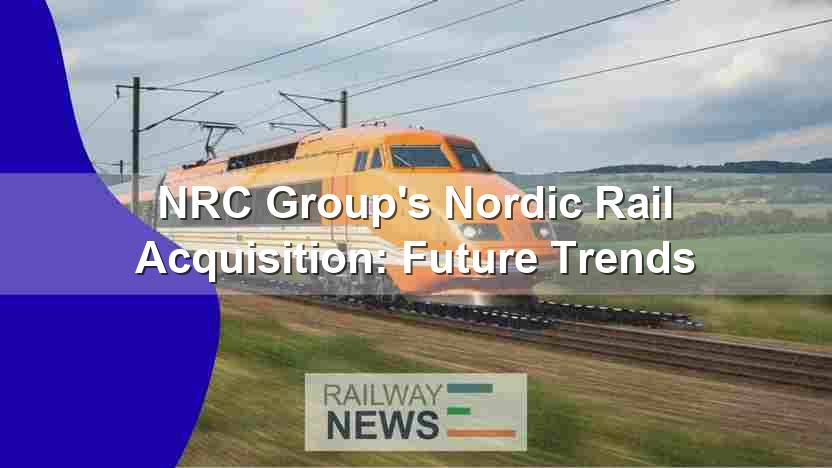
This article analyzes the strategic acquisition of VR Track, a Finnish subsidiary of VR Group (the Finnish State Railways), by NRC Group, a Norwegian infrastructure company. The transaction, valued at €225 million, signifies a significant shift in the Nordic rail infrastructure market, creating a larger, more integrated entity with enhanced capabilities and market reach. We will explore the rationale behind the acquisition, the resulting synergies, the impact on the competitive landscape, and the potential future implications for rail infrastructure development in Finland, Sweden, and Norway. This in-depth analysis will examine the financial structure of the deal, the combined operational strengths of the merged entity, and the strategic positioning of the new company within the broader context of European rail infrastructure modernization.
Strategic Rationale and Synergies
The acquisition of VR Track by NRC Group is driven by strategic imperatives for both companies. For NRC Group, the deal represents a substantial expansion of its geographic footprint and service portfolio. The acquisition of VR Track’s expertise in track maintenance, construction, and signaling expands NRC Group’s market reach into Finland, a significant addition to their existing presence in Norway and Sweden. The combined entity benefits from economies of scale, increased market share, and access to a wider pool of skilled labor. For VR Group, the sale allows them to focus on their core railway operations, streamlining their business and improving overall efficiency. The cash and equity received in the transaction provides VR Group with capital for reinvestment in other areas of their business, while their retained equity stake in NRC Group secures a long-term strategic partnership.
Market Consolidation and Competitive Dynamics
The merger of VR Track and NRC Group results in a significant consolidation of the Nordic rail infrastructure market. The newly formed entity, with over 2,450 employees, becomes a dominant player in the region, capable of undertaking large-scale projects and offering a detailed range of services. This consolidation impacts the competitive landscape by increasing the bargaining power of the combined entity with clients, subcontractors, and suppliers. The increased scale and scope of operations also provide a platform for innovation and the development of new technologies and service offerings within the rail infrastructure sector. This could lead to improved efficiency, reduced costs, and enhanced quality of rail services across the region.
Financial Structure and Implications
The transaction’s financial structure is noteworthy. The €225 million purchase price is split between cash (65%) and NRC Group shares (35%), valuing the shares at NOK 75.31 per share. This structure offers VR Group both immediate liquidity and long-term participation in the success of the merged entity. VR Group becomes the largest shareholder in NRC Group, demonstrating confidence in the future prospects of the combined business. This blended payment structure mitigates risk for both parties, allowing for a smooth transition and minimizing disruption to ongoing operations.
Regulatory Approvals and Future Outlook
The successful completion of the acquisition hinges on regulatory approvals and the satisfaction of other closing conditions. Securing these approvals may involve demonstrating compliance with antitrust regulations and addressing any potential concerns about market dominance. Once the deal is finalized (expected in January), VR Track will operate as a subsidiary of NRC Group. This integration will be a critical phase, requiring careful management to ensure seamless operational transitions and the retention of key personnel. The long-term success of this merger depends on efficient integration, effective management of the combined workforce, and a proactive approach to addressing potential challenges.
Conclusion
The acquisition of VR Track by NRC Group represents a significant development in the Nordic rail infrastructure market. This strategic move combines the strengths of two established players, creating a larger, more competitive entity capable of delivering a detailed range of services across Finland, Sweden, and Norway. The deal’s financial structure reflects a balanced approach, providing VR Group with both immediate liquidity and long-term investment in the success of the new company. The integration of VR Track into NRC Group will present opportunities for economies of scale, innovation, and market expansion, but also requires careful planning and execution to overcome potential challenges related to regulatory approvals, operational integration, and cultural differences. The long-term implications for rail infrastructure development in the Nordic region will depend on the effectiveness of this integration and the ability of the merged entity to deliver on its promised synergies and market leadership. The success of this merger will serve as a benchmark for future consolidation within the European rail infrastructure sector, highlighting the importance of strategic partnerships and efficient integration in driving innovation and improving the overall quality and efficiency of rail transportation.

Transport and railway industry editor covering global rail infrastructure, sustainable mobility, urban transit systems and next-generation railway technologies with a focus on accessible and industry-focused reporting.
RELATED POSTS

September 6, 2026 5:19 am
Hitachi delivered Taiwan's first N700ST high-speed train from Japan in...

September 6, 2026 4:12 am
Alstom delivered the first of 100 new G Class trams...

September 6, 2026 1:17 am
Hitachi Toshiba Supreme Consortium confirmed the first of 12 N700ST...
September 6, 2026 12:20 pm
Indian Railways ordered a probe after a fire destroyed 2...
September 5, 2026 10:14 pm
MTA confirmed $600M in annual savings to balance New York's...
September 7, 2026 4:11 am
ÖBB Rail Cargo Group leased 500 Eanos-y scrap-metal wagons from...