
Norway’s Rail Modernization: Lessons Learned
Norway’s railway modernization, including tilting train technology, faced challenges but ultimately improved speed and capacity. Railway sector news highlights lessons learned for future projects.
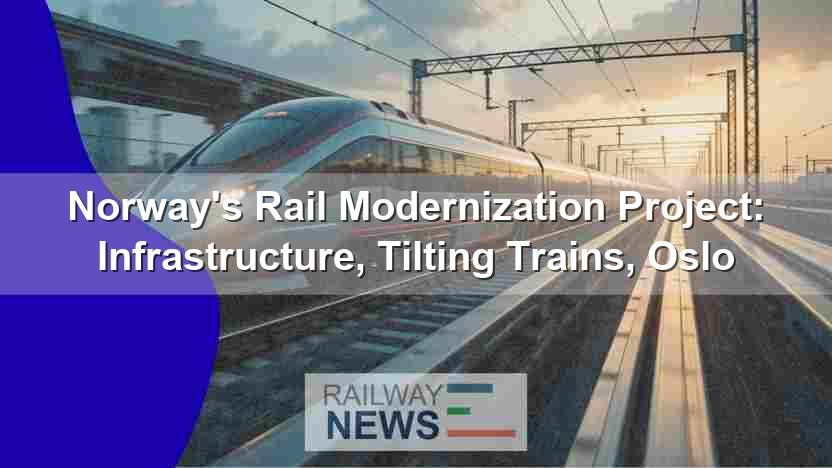
This article examines the modernization efforts undertaken by the Norwegian State Railways (NSB) (now Vy) and the challenges encountered in upgrading Norway’s rail network, focusing particularly on the introduction of tilting train technology. The project aimed to significantly improve passenger rail services throughout the country, increasing capacity, speed, and overall ridership. This involved a multifaceted approach encompassing infrastructure improvements, procurement of new rolling stock, and the implementation of modernized signaling systems. The project’s success hinges on the effective integration of these components to deliver a seamless and efficient passenger experience, ultimately impacting the national transportation landscape and boosting the appeal of rail travel within Norway. The evaluation will analyze the technological choices, operational successes and failures, and the lasting impact on the national rail network. The analysis will further provide insights into the complexities involved in large-scale railway modernization projects, offering valuable lessons for other nations undertaking similar initiatives.
Infrastructure Upgrades and Investment
The Norwegian Railway Plan (1998-2007) allocated significant funding (Nkr1.6 billion) to upgrade three key long-distance rail corridors. These improvements focused on increasing line speeds and enhancing overall capacity. This involved track upgrades, signaling system modernization (including the implementation of transmission-based signaling and Automatic Train Protection (ATP)), and station renovations in major hubs. The upgrades aimed to create a foundation for the efficient operation of the new high-speed and tilting train sets, maximizing the benefits of the new rolling stock investment. This phased approach, implementing infrastructure improvements alongside new rolling stock deployment, aimed to minimize disruption and ensure a smooth transition for passengers.
New Rolling Stock: A Mixed Bag of Successes and Failures
NSB’s modernization involved ordering new rolling stock for short-, medium-, and long-distance services. The procurement included electric multiple units (EMUs), diesel multiple units (DMUs), and high-speed trains. While some acquisitions proved successful, others encountered significant operational problems. The BM72 EMUs (36 four-car 160 km/h units from Ansaldobreda) performed relatively well in local services. However, the BM73 tilting trains (16 four-car units), intended for long-distance services, suffered from axle design flaws and unreliable tilt mechanisms, leading to reduced operating speeds and temporary withdrawals from service. This highlighted the challenges in adapting rolling stock designed for other networks to the unique conditions of the Norwegian rail system.
The BM93 ‘Talent’ DMUs (11 two-car units from Bombardier), employed on medium-distance non-electrified routes, proved better suited to the terrain and weather conditions. The use of tilt technology on the BM93s, unlike many ‘Talent’ variants, reduced journey times on the curving lines typical of the Norwegian rail network. However, their suitability for longer distances was questioned, pointing to the importance of aligning rolling stock specifications to operational requirements. The BM71 EMUs (ADtranz/Bombardier) were specifically built for the ‘Flytoget’ airport shuttle service and operated independently of NSB.
Operational Challenges and Service Rebranding
Initially, NSB attempted to rebrand its passenger services into three distinct categories: ‘Signatur’ (inter-city), ‘Agenda’ (regional), and ‘Puls’ (suburban). This initiative aimed to boost ridership by 15%. However, the rebranding proved ineffective, largely due to operational problems with the new trains and subsequent customer confusion. The failure of this rebranding campaign emphasizes the importance of aligning marketing strategies with the reliable and efficient provision of services. A robust and dependable service forms the bedrock of successful marketing efforts within the railway industry.
Technological Advancements and Future Prospects
The introduction of advanced signaling systems, such as transmission-based signaling and ATP, was a crucial aspect of the modernization effort. Although initial implementation faced some challenges, these systems ultimately improved journey times and service frequency. In-cab signaling displays further enhanced operational efficiency and safety. The significant improvements in journey times – between 50 minutes and one hour – achieved through the introduction of higher-speed trains and signaling system upgrades, proved a considerable success of the modernization plan. Moreover, the refurbishment program for older rolling stock, as seen in the €64m contract awarded to Bombardier for the overhaul of 56 Class 5 coaches, demonstrates a commitment to maintaining a balanced approach of introducing new technology while extending the lifespan of existing assets, representing good value for money. The ongoing integration of local and regional authorities within the ticketing systems further improved the seamlessness of passenger travel.
Project Summary
| Project Details | Description |
|---|---|
| Project Name | Norway’s Railway Modernization |
| Project Duration | 1998-2007 (and ongoing refurbishment) |
| Budget (Approximate) | Nkr1.6 billion (Infrastructure) + Additional costs for rolling stock |
| Type of Project | Infrastructure upgrades, new rolling stock procurement, signaling system modernization |
| Connection of Cities | Oslo to Kristiansand, Stavanger, Trondheim, and Bergen (and other regional lines) |
| Number of Stations Upgraded | Major stations on the key corridors were upgraded as part of a joint venture |
| New Rolling Stock (Examples) | BM71 (Flytoget), BM72 (Local), BM73 (Long-distance), BM93 (Regional) |
Conclusions
Norway’s ambitious rail modernization program, while encountering significant challenges, ultimately achieved considerable progress in improving its rail network. The introduction of new rolling stock, coupled with substantial infrastructure upgrades, led to significant reductions in journey times and enhanced overall capacity. However, the experience underscored the critical importance of thorough testing and rigorous compatibility assessment of new rolling stock within the unique operational context of the Norwegian rail system. The problems encountered with the BM73 tilting trains serve as a cautionary tale emphasizing the need for meticulous planning and a detailed understanding of local conditions before large-scale procurement. The project also highlighted the challenges in successfully implementing rebranding strategies without a robust underlying service. Successful modernization requires not just technological upgrades, but also a holistic approach encompassing operational efficiency, effective marketing, and collaboration with local authorities.
Looking ahead, continued investment in infrastructure and rolling stock, coupled with ongoing refinements to signaling systems and operational procedures, will be crucial to sustaining the momentum and maximizing the benefits of the modernization effort. Further focus should be placed on robust testing and validation of new technologies to ensure seamless integration and long-term reliability. The lessons learned from this project offer invaluable insights for other countries undertaking similar large-scale railway modernization programs, highlighting the need for integrated planning, meticulous implementation, and a continuous commitment to operational excellence.
A continued focus on passenger experience, encompassing comfortable, reliable, and efficient services, will remain critical to attracting and retaining customers. The success of the railway modernization in Norway ultimately rests on its ability to adapt to future challenges, embrace technological innovation, and consistently strive to deliver a high-quality rail experience that meets the needs of passengers and the broader transportation network.
Company Information:
- NSB (Now Vy): The Norwegian State Railways, now operating as Vy, is the primary passenger rail operator in Norway.
- Jernbaneverket (Now Bane NOR): The Norwegian national rail infrastructure authority, now known as Bane NOR, is responsible for the maintenance and development of the country’s railway infrastructure.
- Ansaldobreda: An Italian rolling stock manufacturer (now part of Hitachi Rail).
- Bombardier Transportation: A multinational rolling stock manufacturer.
- ADtranz: A former rolling stock manufacturer (later acquired by Bombardier).

Railway infrastructure, rolling stock and transport technologies specialist focused on global rail industry developments, high-speed rail systems, signaling technologies and freight transportation. Covering railway investments, public transport modernization, rail operations and international mobility projects across Europe, Asia and North America.