
North America: Railroad Traffic Surge & Infrastructure Challenges
Record railroad traffic strains North American rail networks, demanding infrastructure investment and operational improvements.
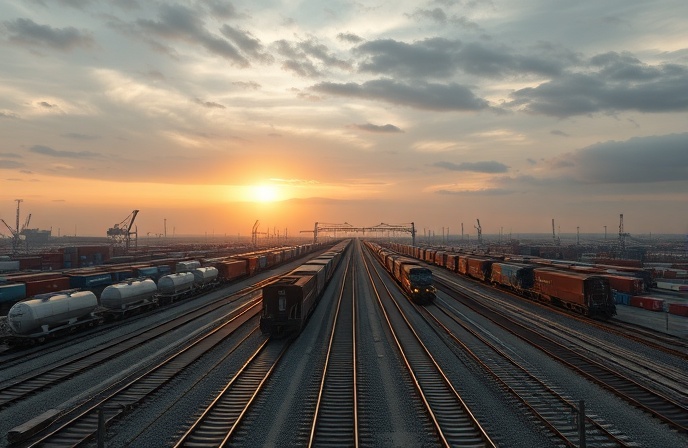
Record-Breaking Railroad Traffic Strains Capacity, Sparks Industry Debate
Railway networks across North America are experiencing unprecedented railroad traffic volumes, prompting critical discussions about infrastructure investment, operational efficiency, and the future of freight transportation. The surge in demand, driven by economic recovery and evolving supply chains, has placed immense pressure on existing systems. This article analyzes the factors contributing to the heightened activity, examines the operational challenges that have emerged, and explores potential solutions to accommodate the growing demands and ensure the efficient movement of goods and materials across the continent. The rise in railroad traffic presents both opportunities and significant challenges for railway operators, infrastructure providers, and supply chain stakeholders alike. Our focus will be on understanding the underlying causes, the impacts, and the proactive strategies that can be employed to navigate this evolving landscape.
Soaring Freight Demand Fuels Record Railroad Traffic
Several key drivers have fueled the recent surge in railroad traffic. The reshoring of manufacturing and the increased utilization of intermodal transportation, particularly for consumer goods and automotive parts, have dramatically increased the volume of freight moved by rail. Furthermore, the robust demand for commodities, including agricultural products, energy resources, and construction materials, has further amplified the load on existing lines. The economic rebound following the pandemic, coupled with supply chain disruptions in other transportation modes, has compelled shippers to seek alternative, more reliable options. This shift has significantly increased the pressure on the railway network, requiring railway operators to handle significantly larger volumes of freight, often at locations with existing infrastructure limitations.
Operational Bottlenecks and Infrastructure Limitations
The surge in railroad traffic has exposed critical bottlenecks within the existing infrastructure. Capacity constraints at key terminals and choke points, such as major rail yards and congested port connections, are leading to delays and increased dwell times. The current track infrastructure, in certain sections, is unable to fully accommodate the increased volume. This includes the need for additional sidings, improved signaling systems, and upgraded track maintenance protocols. Moreover, the availability of qualified personnel, from train crews to maintenance teams, has also become a limiting factor. The resulting congestion disrupts schedules, elevates operational costs, and potentially affects on-time deliveries. Railroads are exploring strategies such as improved capacity management and precision scheduled railroading to mitigate these issues.
Technological Advancements and Investment Strategies for Efficiency
In response to the challenges, railway operators are investing heavily in technology and infrastructure upgrades. Advanced signaling systems, such as Positive Train Control (PTC), are being enhanced to optimize train movement and increase safety. Predictive maintenance programs, utilizing data analytics and sensor technology, are designed to minimize downtime and improve asset utilization. Investment in expanding capacity through building new tracks, adding sidings, and upgrading terminals is also critical. These investments are meant to increase capacity and improve the overall flow of railroad traffic. Furthermore, many railways are exploring the benefits of automation to streamline operations, improve fuel efficiency, and reduce the risk of human error. Effective adoption of these advancements is critical for the railroads to be able to handle the current levels of traffic and to prepare for future growth.
Collaboration and the Future of Freight Transportation
Addressing the challenges presented by record railroad traffic requires a collaborative approach. This involves close coordination between railway operators, port authorities, shippers, and governmental bodies. Shared data platforms and real-time visibility tools are essential for facilitating efficient coordination across the supply chain. Increased investment in infrastructure, coupled with regulatory streamlining and supportive policies, will play a crucial role in facilitating the sustainable growth of freight transportation. The future of rail freight relies on a concerted effort to embrace innovation, improve efficiency, and invest in long-term capacity improvements. Strategic partnerships and forward-thinking policies are essential to ensure that the rail network remains a vital component of the nation’s transportation infrastructure, capable of handling escalating demands and maintaining its competitive advantage.
Conclusion
The current surge in railroad traffic is a powerful indicator of economic growth and the continuing importance of rail as a mode of freight transportation. The challenges posed by increased demand, including infrastructure bottlenecks and operational constraints, are significant. However, by implementing innovative technologies, investing in capacity expansion, and fostering collaboration between industry stakeholders, the railway sector can overcome these challenges and position itself for continued growth. The ability to efficiently and reliably manage railroad traffic will be crucial for supporting economic activity and maintaining the competitiveness of the North American supply chain in the coming years. Looking ahead, we anticipate further advancements in automation, the adoption of alternative fuels, and an increased emphasis on sustainability, all of which will further shape the landscape of freight transportation and the future of the railways.
RELATED POSTS

January 17, 2017 10:36 pm
Denver's RTD is enhancing rail safety with a new $49...
August 13, 2025 7:33 am
DB's new ICE L train boosts long-distance rail, enhancing passenger...

May 29, 2025 4:01 am
Revitalizing Rail: Opole Connection and the Kolej+ Programme Revitalizing Rail:...
Capitol Corridor achieved impressive FY2025 ridership, exceeding 1.14 million passengers!...

September 18, 2025 6:55 pm
ORR monitors GB rail industry's safety improvements, following recommendations. ...
April 30, 2018 3:44 pm
Witness the rigorous testing of the new Caledonian Sleeper trains,...