
Norfolk Southern Q2 2025: Rail Revenue, East Palestine Impact
Norfolk Southern’s Q2 2025 railway earnings show revenue growth, but East Palestine incident impacts results. Strong volume gains offset by recovery costs.
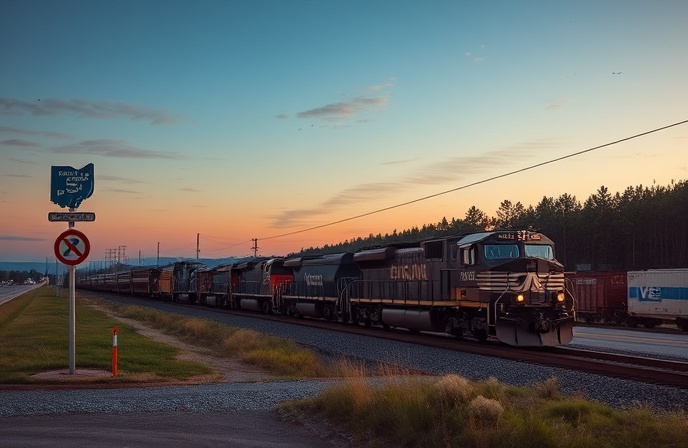
Norfolk Southern Reports Solid Q2 2025 Results, Overshadowed by East Palestine Recoveries
Norfolk Southern Corporation (NS), a major player in the North American freight rail network, announced its second-quarter 2025 financial results today. The report reveals a mixed bag of successes, underscored by robust revenue growth but also highlighting the lingering financial impact of the 2023 East Palestine, Ohio, train derailment. The announcement, made public today, details a quarter marked by increased revenue, driven by volume gains, and continued efforts to manage the aftermath of the significant incident. The report shows solid financial performance, with underlying improvements in operational efficiency. This article will delve into the specifics of NS’s Q2 2025 results, analyzing key financial figures, discussing the influence of the East Palestine incident, and exploring the implications for the company’s future.
Revenue and Operational Highlights
In the second quarter of 2025, Norfolk Southern generated $3.1 billion in revenue. This revenue was supported by a 3% increase in volume, demonstrating the railroad’s ability to move goods despite ongoing challenges. Excluding the effect of fuel surcharge revenue, railway operating revenue reached $2.9 billion, up $122 million or 4% versus the adjusted Q2 2024 results. This indicates organic growth and a solid base for continued expansion. The income from railway operations reached $1.2 billion. These positive results are a reflection of the railway’s ability to manage its operations, even amidst significant external challenges.
Impact of East Palestine Incident and Adjusted Results
The East Palestine incident continues to have a notable influence on NS’s financial statements. The company’s press release indicated that recoveries related to the incident exceeded incremental costs during the quarter. After adjusting the results to exclude restructuring and other charges, as well as the impact of the East Palestine incident, the adjusted income from railway operations was $1.1 billion. The operating ratio (OR), a key performance indicator (KPI) in the railway industry, was 63.4% for the adjusted quarter. This ratio measures operating expenses as a percentage of revenue, with a lower percentage reflecting higher efficiency. These adjusted results demonstrate the underlying strength of the railway’s operational performance, even with the incident’s burdens.
Financial Performance Metrics: Earnings and Efficiency
The report showed diluted earnings per share (EPS) of $3.41 for Q2 2025. However, when accounting for the previously mentioned adjustments, including those related to the East Palestine incident, the adjusted diluted earnings per share were $3.29. These figures highlight the complexities of interpreting financial results in periods impacted by extraordinary events. The fluctuation in both income and earnings per share demonstrates the need to examine adjusted figures to gain a clear view of operational progress, alongside insights into incident-related costs. Continued focus on operational efficiency is vital for sustained growth.
Conclusion
Norfolk Southern’s Q2 2025 results paint a picture of a railroad navigating both opportunities and significant challenges. While revenue and volume experienced growth, the lingering financial impacts of the East Palestine derailment continue to shape the company’s performance. The solid underlying operational performance, reflected in the adjusted figures, provides a positive outlook for future growth. As NS continues to manage the incident’s aftermath and focus on operational efficiency, its ability to leverage volume gains will be critical. The improvement in the operating ratio, even with external factors, signifies positive operational changes. The railway industry will be watching how NS manages its commitments to its stakeholders, addressing both financial performance and community impact in East Palestine. The company’s ability to balance recovery efforts with continued investment in its network will be key to its future success in the dynamic freight rail sector. The focus on volume and efficiency will be critical for shareholder value, while resolving all East Palestine-related issues will require continued commitment.
RELATED POSTS

August 25, 2018 8:09 am
Bordeaux Métropole expands its Citadis tram network, showcasing a successful...
December 15, 2024 2:02 am
EN 13481-5 defines critical performance and testing for slab track...
September 16, 2025 7:55 pm
Rail Baltica secures €1.77B contract for major Baltic electrification project,...

December 15, 2024 2:02 am
EN 50155 is the definitive standard for railway electronics, ensuring...
Stadler Polska marks a milestone: 1,000th rail vehicle, a next-gen...

December 28, 2015 4:44 pm
Hitachi Rail Italy to manufacture AT300 trains at its facility...