
Niš Railway Bypass: Modernizing Serbia’s Rail Network
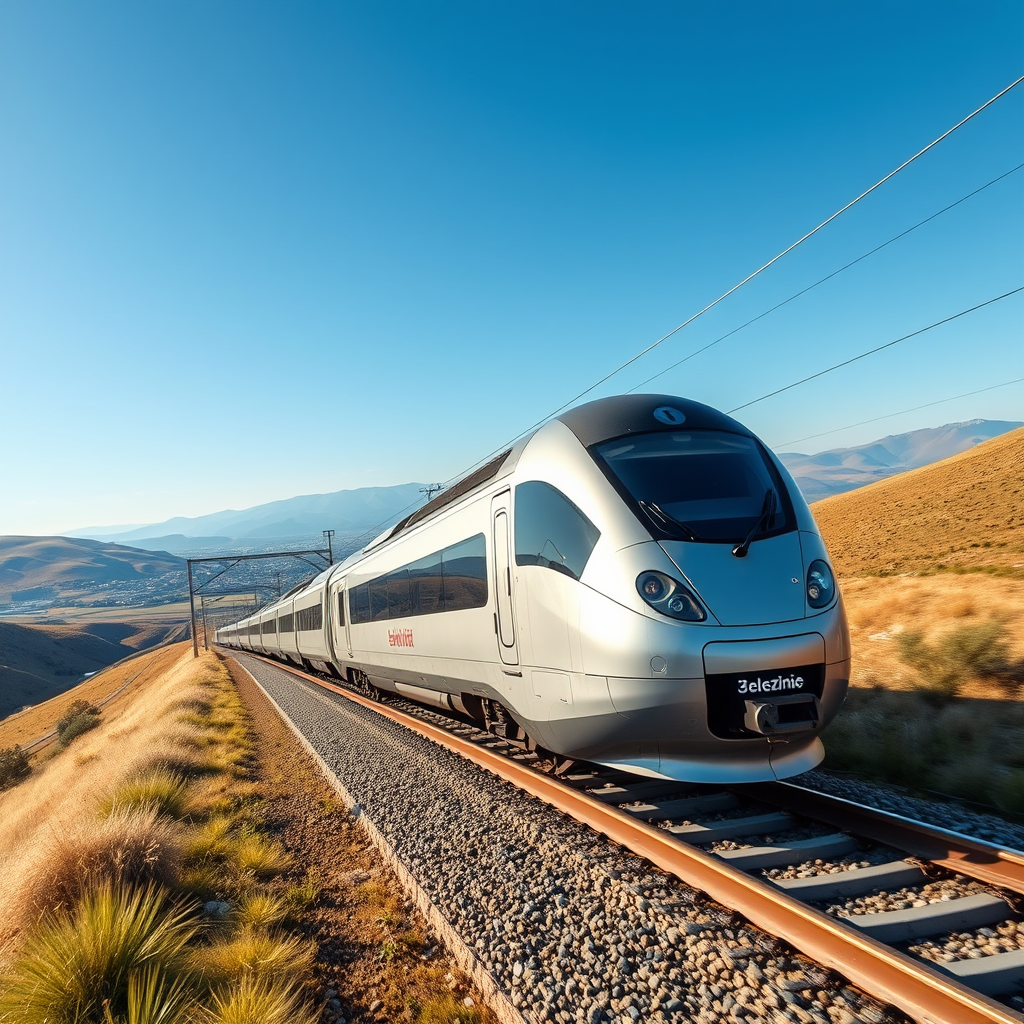
The Niš Railway Bypass: A Case Study in Modern Rail Infrastructure Development
This article examines the construction of a new €153.6 million ($166.2 million) railway bypass around Niš, Serbia, highlighting its significance within the broader context of European rail network modernization. The project, a key component of Corridor X (a Pan-European transport corridor connecting Austria and Greece), showcases a multifaceted approach to upgrading rail infrastructure, encompassing not only physical construction but also the integration of modern technologies and international collaboration. The bypass, a 22km single-track electrified line, aims to drastically improve transit times and efficiency for freight and passenger rail traffic through Niš, Serbia’s third-largest city. This initiative underscores Serbia’s commitment to enhancing its national rail network and its active participation in broader European transportation strategies. We will explore the technical aspects of the project, its funding mechanisms, and its potential impact on regional connectivity and economic development.
Project Scope and Technical Specifications
The Niš bypass project involves the construction of a new 22km single-track, electrified railway line circumventing the city center. This bypass will connect the Niš-Ranžirna station (a marshalling yard) to the Sićevo station, enabling trains to bypass the congested urban area. The project also includes the electrification of the Crveni Krst section of the existing line, which connects to the new bypass. The planned operational speed on the bypass is 120 km/h, a significant increase compared to the speeds currently achievable within the city limits. The construction is being undertaken by a consortium consisting of Extra Auto Transport and the China Road and Bridge Corporation (CRBC), with a projected completion date of May 7, 2027. The successful execution of this project requires meticulous planning, precise engineering, and effective management of resources, particularly considering the integration of new technologies and the interaction with existing infrastructure.
Funding and International Collaboration
The project’s €153.6 million budget reflects a significant investment in Serbia’s rail infrastructure. The European Union (EU) is providing substantial financial support, contributing €35 million specifically to the bypass construction and an additional €80 million towards the overall modernization of the Niš-Dimitrovgrad railway line. This financial partnership underlines the EU’s commitment to improving transportation connectivity within its broader sphere of influence and demonstrates the importance of Corridor X in the EU’s transportation policy. The collaboration between Serbian authorities, the EU, and the Chinese construction company, CRBC, highlights the increasingly global nature of large-scale infrastructure projects. This international collaboration fosters technology transfer, expertise sharing, and contributes to the overall success of the project.
Corridor X and Regional Connectivity
The Niš bypass project is not an isolated endeavor but an integral component of Corridor X, a crucial Pan-European transport corridor extending from Austria to Greece. Its improvement significantly enhances regional connectivity, facilitating smoother movement of goods and passengers between these countries. This aligns with broader European objectives to modernize and integrate its transport networks. The Niš bypass, by reducing travel times and improving efficiency, significantly contributes to the overall effectiveness of Corridor X and positions Serbia strategically within the wider European transportation landscape. Further integration with neighboring countries, such as the recently announced rail crossing to North Macedonia, solidifies Serbia’s role as a key transit hub within the Balkan region.
Conclusion
The construction of the Niš railway bypass represents a substantial investment in Serbia’s rail infrastructure, significantly contributing to the modernization of the country’s transportation network. The project, funded in part by the EU and executed by an international consortium, is a prime example of effective international collaboration in infrastructure development. The bypass, a critical part of Corridor X (a major Pan-European transport corridor), will markedly reduce travel times and improve efficiency for both passenger and freight traffic, enhancing connectivity within Serbia and across the Balkan region. The project’s success depends not only on the timely and efficient completion of construction but also on the seamless integration of the new bypass into the existing rail network, and the effective application of Intelligent Transportation Systems (ITS) for optimal operational efficiency. The anticipated increase in speed to 120 km/h will significantly impact the economic viability of the region by facilitating faster and more cost-effective transport of goods and people. The long-term effects of this investment will extend beyond improved transport capabilities, potentially stimulating economic growth and bolstering Serbia’s position within the European transportation network. The project serves as a compelling case study for future rail infrastructure development, demonstrating the potential of international cooperation and strategic investment to drive economic progress and regional connectivity.
RELATED POSTS

March 8, 2025 12:21 pm
A Global Transportation Crisis: The Ripple Effect of a Software...
August 18, 2025 9:51 pm
Network Rail upgrades Lea Green station's signalling system, boosting reliability...

April 21, 2025 2:24 am
Sweden’s Nationwide Public Transport Booking Revolution: A Case Study in...

November 14, 2021 11:14 am
The Canadian Pacific-Kansas City Southern Merger: Reshaping North American Rail...
September 21, 2023 9:55 am
This article explores the significant modernization of the Cork Area...
May 2, 2025 7:54 am
This article examines the modernization of San Francisco’s Muni Railway...