
NextGen Acela: Shaping US High-Speed Rail’s Future – NEC Insights
Amtrak’s NextGen Acela high-speed rail project, featuring new Alstom trains, boosts capacity and speed on the Northeast Corridor.
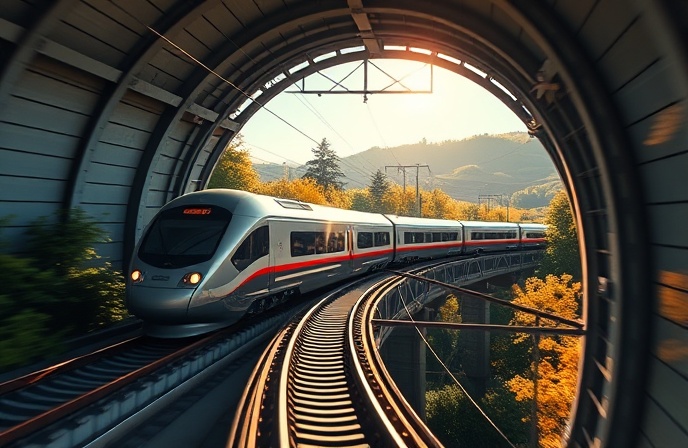
NextGen Acela: Redefining High-Speed Rail in North America
The launch of the NextGen Acela represents a pivotal moment for high-speed rail in the United States. This initiative, led by Amtrak, marks a significant investment in modernizing passenger rail travel along the Northeast Corridor (NEC). What is NextGen Acela? It’s a brand-new fleet of trains, designed for higher speeds and increased passenger capacity, poised to reshape the travel experience between Washington D.C. and Boston. Why now? Demand for passenger rail is growing, and the current Acela fleet is nearing the end of its operational lifespan. This article will delve into the key features, technological advancements, and the broader industry implications of this ambitious project. The primary aim is to provide railway professionals with a comprehensive overview of the *NextGen Acela*’s impact on the future of rail in North America.
Boosting Capacity and Performance: The NextGen Acela Fleet Overview
The new NextGen Acela trains are designed to offer substantial improvements over the existing fleet. Manufactured by Alstom, each trainset will consist of nine cars, offering approximately 25% more seating capacity than the current seven-car trains. This increased capacity is crucial to accommodating the rising ridership on the NEC. A key performance enhancement is the ability of the new trains to operate at higher speeds – up to 160 mph on certain segments of the route, an increase over the current 150 mph top speed. The trains are also equipped with advanced traction systems and improved suspension to deliver a smoother and more comfortable ride. Furthermore, the new fleet incorporates features like active tilting technology to enhance stability when navigating curves at higher speeds, contributing to the overall efficiency and reduced travel times along the NEC.
Technological Advancements Driving the NextGen Acela Revolution
The NextGen Acela project integrates cutting-edge technology throughout its design. These advancements range from the trains’ propulsion systems to the passenger experience. The trains will feature advanced signaling and train control systems, including the implementation of Positive Train Control (PTC). PTC is a safety system that automatically slows or stops a train to prevent accidents caused by human error. Furthermore, the new trains boast improved energy efficiency, incorporating features like regenerative braking, which captures and reuses energy during deceleration. This design improves energy conservation and reduces the overall environmental impact. Inside the trains, passengers will benefit from upgraded amenities, including enhanced Wi-Fi connectivity, power outlets at every seat, and larger windows for optimized views. This focus on both operational efficiency and passenger comfort positions the *NextGen Acela* as a benchmark in rail technology.
Infrastructure Imperatives: Adapting the NEC for Higher Speeds
The successful operation of the NextGen Acela fleet hinges on significant infrastructure improvements along the Northeast Corridor. Amtrak is investing in track upgrades, including the replacement of aging track sections, improving curves, and enhancing the electrification system. These improvements are essential to enabling the trains to reach their designed top speeds and to ensure operational reliability. Station modernization projects are also underway, focusing on platform upgrades, improved accessibility, and the integration of modern passenger facilities. These station improvements are a critical component for providing a streamlined and user-friendly travel experience. In addition, advanced maintenance facilities are required to accommodate the new rolling stock. These facilities will be equipped with the latest diagnostics and repair technologies to ensure optimal train performance and reduced downtime. The *NextGen Acela* project is a holistic approach, with both new trains and infrastructure upgrades.
The Future of Rail: Industry Implications of the NextGen Acela
The launch of the NextGen Acela represents a bold step forward for the US rail industry and holds wide-ranging implications. The successful deployment of this new fleet will increase the appeal of passenger rail travel, providing a more efficient and environmentally friendly alternative to air travel and driving. It is hoped this success will encourage further investments in high-speed rail projects across the country, and could also serve as a catalyst for the revitalization of the domestic railway manufacturing sector. The project sets a new standard for passenger comfort, safety, and efficiency, creating a ripple effect by encouraging advancements in signaling, track maintenance, and passenger experience. The impact extends beyond the NEC, influencing national and international trends in railway construction and operation. These improvements will make traveling along the Northeast Corridor faster, more comfortable, and an even more viable option for commuters and travelers. The *NextGen Acela* exemplifies the potential for continued innovation in rail transportation.
Conclusion
The NextGen Acela project marks a significant leap forward for high-speed rail in the United States. The new fleet, with its enhanced capacity, advanced technology, and focus on passenger comfort, is poised to transform the travel experience along the Northeast Corridor. This endeavor underscores the vital role of infrastructure investment and modernization in the success of railway projects. The project’s implications extend far beyond the immediate route, serving as a benchmark for future high-speed rail developments across North America. By focusing on efficiency, passenger experience, and sustainability, *NextGen Acela* is setting a new standard for the industry. Looking ahead, we can anticipate further advancements in rail technology, signaling, and train control systems, paving the way for even faster, safer, and more sustainable rail networks in the future. The widespread acceptance and success of the *NextGen Acela* will inspire innovation and encourage investments, solidifying the role of rail in the future.
RELATED POSTS
July 23, 2025 11:33 pm
Go Rail briefed Indiana lawmakers on freight rail's role in...

June 5, 2019 5:36 am
India's railway electrification gets a $750 million boost! This...
June 28, 2025 12:33 am
SWR uses real-time tech to boost passenger assistance, reducing delays...

November 27, 2014 8:25 am
Siemens is in a consortium with the French technology business...
September 13, 2025 4:49 am
LIRR strike looms, potentially starting September 18th, due to union...
September 20, 2025 1:55 am
ORR and Network Rail bolster railway safety with new tools...