
Newark AirTrain: $3.5B Upgrade, Challenges, & Vision
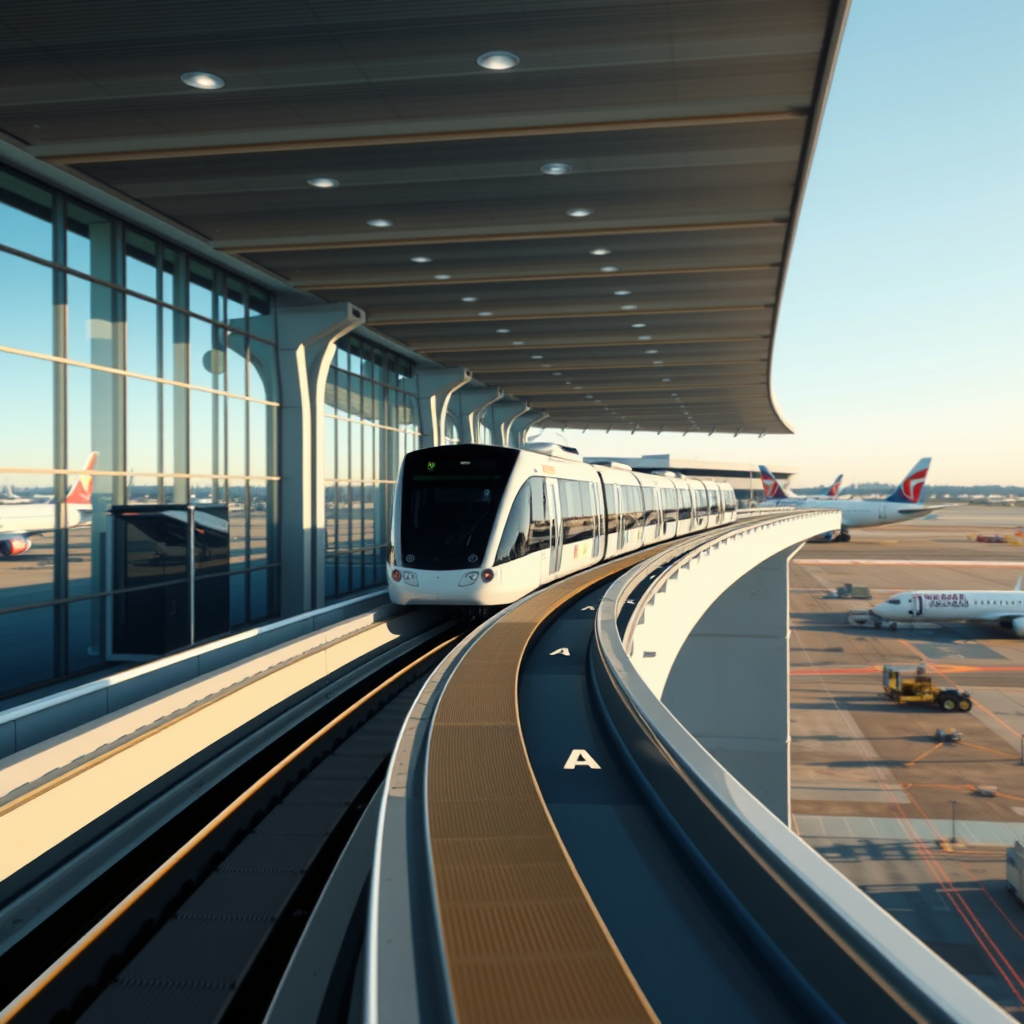
This article examines the significant upgrade underway at Newark Liberty International Airport (EWR), focusing on the replacement of its aging AirTrain system with a state-of-the-art, $3.5 billion facility. The project encompasses the design and construction of a 2.5-mile elevated guideway, three new stations, and a modern maintenance facility, representing a substantial investment in improving passenger transit and supporting the overall modernization of the airport. The project’s complexities, including the multi-phased procurement process, the involvement of multiple contractors (such as Tutor Perini/O&G Industries, Doppelmayr, and Stantec), and the challenges posed by inflation and pandemic-related delays, will be analyzed. The long-term impact of this investment on passenger experience, airport efficiency, and regional transportation networks will also be discussed. The strategic decision-making processes involved, including budgeting and cost escalations, will be explored within the context of the broader EWR Vision Plan.
The Need for a Modernized AirTrain System
The existing AirTrain Newark, operational since 1996, has become increasingly inadequate to handle the surging passenger volumes at EWR, especially since the opening of the new Terminal A in 2023. Its outdated infrastructure and limited capacity were leading to significant congestion and delays, impacting both passenger experience and the overall efficiency of the airport. The new AirTrain is crucial for alleviating these issues and ensuring seamless passenger flow within the airport complex. This modernization is not simply a replacement, but a fundamental shift towards a higher-capacity, more reliable, and technologically advanced transportation system. The new system’s design prioritizes increased passenger comfort and capacity to meet projected future demand.
Multi-Phased Procurement and Contractor Involvement
The project’s magnitude necessitates a multi-phased procurement strategy. Tutor Perini/O&G Industries (a joint venture) has been awarded the primary contract for the design and construction of the elevated guideway and the three new stations. This represents a significant investment and underscores the scale of the undertaking. Other key players include Doppelmayr, responsible for the Automated People Mover (APM) system and its vehicles, and Stantec, focused on the design of the maintenance facility and pedestrian connectors. This division of labor allows for specialized expertise and efficient project management, though it also necessitates careful coordination to ensure seamless integration of the various components.
Budgetary Considerations and Cost Overruns
The project’s budget has experienced a significant increase, rising from $2.05 billion to $3.5 billion. This escalation can be attributed to several factors, including the impact of the COVID-19 pandemic, which caused delays and disruptions to the construction industry, inflation, and inherent instability in the construction market. While the increased cost presents a challenge, the Port Authority has planned to offset this by deferring spending from other projects, such as the PATH rail extension. This highlights the complex financial considerations involved in large-scale infrastructure projects and the need for adaptable budgeting strategies.
The EWR Vision Plan and Regional Connectivity
The new AirTrain is a key component of the broader EWR Vision Plan, which aims to transform Newark Liberty International Airport into a world-class facility. The plan incorporates not only the AirTrain upgrade but also enhancements to terminals, roadways, and taxiways. This holistic approach seeks to improve not just passenger experience but also operational efficiency and overall airport capacity. The improved accessibility to the Newark Airport Rail Link station, as part of this plan, will benefit the local community, further demonstrating the project’s far-reaching impact on regional connectivity.
Conclusions
The replacement of the AirTrain Newark system represents a significant investment in the future of Newark Liberty International Airport and the surrounding region. The $3.5 billion project, involving a multi-phased procurement process and several key contractors, demonstrates the commitment to upgrading outdated infrastructure and improving passenger experience. While the project’s cost has increased due to unforeseen circumstances like the COVID-19 pandemic and inflation, the long-term benefits outweigh the increased expenditure. The integrated nature of this project, as a crucial component of the EWR Vision Plan, ensures synergy with other upgrades, leading to enhanced airport operations and regional connectivity. The new AirTrain system, expected to be operational by 2030, promises to be a substantial improvement, setting a new standard for airport transit systems, effectively addressing current capacity limitations and preparing for future growth. The strategic use of a multi-phased approach, combined with leveraging specialized contractors’ expertise, showcases a more effective and efficient way of managing complex large-scale infrastructural projects. The project’s success will not only enhance the airport’s appeal to passengers and airlines but also reinforce Newark’s position as a major transportation hub, fostering economic growth in the region. The lessons learned from the complexities of this endeavor, particularly in navigating unexpected cost escalations and delays, will be valuable in future large-scale transportation infrastructure projects worldwide.
RELATED POSTS

August 6, 2025 8:33 pm
CSX designates Kentucky site for industrial growth, attracting $43M investment....

September 18, 2019 4:04 am
This article explores the significant investment by the European Union...
November 22, 2019 6:06 am
Deutsche Bahn’s Significant Investment in High-Speed Rail Expansion This article...

June 21, 2025 6:59 am
Metra Secures $104 Million in Grants for Key Infrastructure Upgrades...

July 19, 2016 1:19 am
On July 15, at the Vreoci station First Vice-President of...
December 25, 2020 3:52 pm
Modernization of the S-Bahn Stuttgart Fleet: Enhancing Passenger Experience and...