
Network Rail’s UK Rail Upgrades: Impact & Insights
Network Rail’s August bank holiday upgrades: £84 million invested in 400+ projects, improving the network but causing disruption. Discover how we balanced improvement with passenger needs!
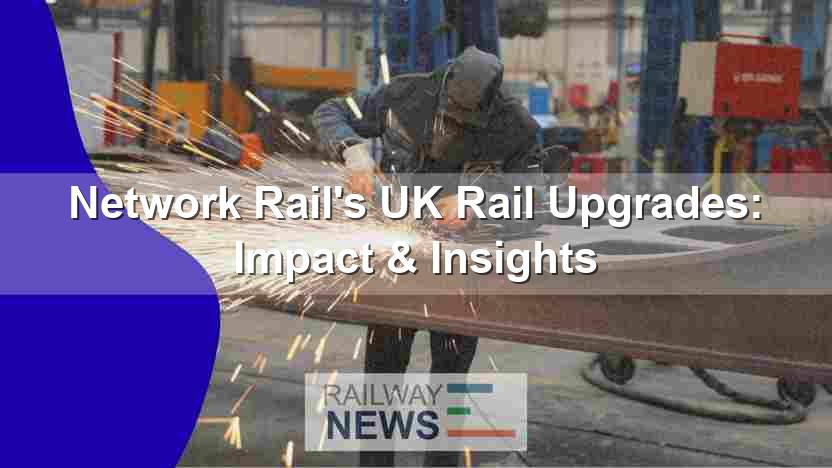
This article analyzes the planned rail infrastructure upgrades undertaken by Network Rail (NR) during the August bank holiday weekend and their consequent impact on passenger services. The extensive engineering works, part of a larger £50 billion railway upgrade plan, aimed to improve the network’s capacity, speed, and reliability. However, this crucial maintenance inevitably led to significant disruption for passengers, highlighting the inherent tension between necessary infrastructure improvements and the immediate needs of rail users. We will explore the scope of the projects, their projected benefits, the resulting service disruptions, and the communication strategies employed by Network Rail and the Rail Delivery Group (RDG) to manage passenger expectations and mitigate inconvenience.
The Scale of the August Bank Holiday Upgrade
Network Rail’s August bank holiday engineering program involved over 400 projects across the UK, representing a substantial investment of £84 million. This investment, a component of NR’s five-year plan, mobilized approximately 9,600 employees working continuously from August 25th to 27th. The projects encompassed a range of improvements, from track and signaling upgrades to station refurbishments and enhancements to overall railway infrastructure. The sheer scale of the undertaking underscores the ongoing need for substantial investment in the UK’s aging rail network to meet the demands of a growing passenger base and maintain operational efficiency. The concentration of this work over a bank holiday weekend reflects a strategic decision to minimize disruption during weekdays while maximizing the window of opportunity for complex engineering tasks. This is common practice for major railway infrastructure maintenance programs across the globe.
Key Projects and Their Impact
Several high-impact projects significantly affected passenger journeys. The closure of London Euston station at North Wembley for the replacement of a nearby junction caused widespread disruption. This closure extended beyond the bank holiday weekend, affecting services between September 1st and 2nd. Simultaneously, major track and signaling improvements near Derby, funded by a £200 million investment, reached their peak activity, affecting Midland Main Line services between Sheffield, Derby, Nottingham, and London. These improvements, part of the largest upgrade to the Midland Main Line to date, are expected to yield significant long-term benefits but caused considerable short-term disruption. Further track replacements near Coventry also affected services, with passengers travelling to and from Birmingham International Airport advised to utilize bus services as a viable alternative.
Communication and Passenger Management
Network Rail and the RDG collaborated on pre-emptive communication strategies to inform passengers about potential disruptions. The warning issued well in advance of the bank holiday weekend urged passengers to check their journey details and plan alternative arrangements where necessary. The strategy involved coordinated messaging across various platforms including websites, social media, and the national press. This proactive communication aimed to minimize last-minute travel chaos and prevent passenger frustration. While proactive communication is crucial, the complex nature of interdependent railway systems makes it extremely difficult to convey the exact ramifications of the various works to all affected passengers. Any alteration of service requires detailed planning and communication to minimize impact.
Balancing Improvement and Disruption
The August bank holiday engineering works present a classic case study in the inherent conflict between necessary infrastructure upgrades and the unavoidable disruption to passenger services. While the extensive projects delivered substantial improvements in terms of capacity, speed, and reliability of the rail network, they also caused significant short-term inconvenience for a large number of passengers. This underlines the importance of meticulous planning, efficient project management, and clear, consistent communication to minimize the negative impact of crucial maintenance on the traveling public. Effective strategies must encompass the detailed analysis of potential impact, a detailed communication plan, and alternative travel options, where feasible. The ultimate success of such undertakings hinges on a balance between long-term network improvement and the immediate needs of rail users.
Conclusion
Network Rail’s August bank holiday engineering program, encompassing over 400 projects at a cost of £84 million, aimed to significantly improve the UK rail network. These upgrades, part of a larger £50 billion investment plan, addressed critical infrastructure deficiencies and aimed to increase capacity, speed, and reliability. The projects, however, resulted in considerable disruption to passenger services, particularly around London Euston, Derby, and Coventry. The closure of London Euston’s North Wembley section and the major works on the Midland Main Line highlight the significant challenges involved in balancing essential infrastructure improvements with the immediate needs of commuters. Network Rail and the RDG’s pre-emptive communication strategy, although vital, faced the inherent challenge of conveying the widespread impact of these interconnected projects. The success of future large-scale rail infrastructure upgrades hinges on meticulous planning, efficient project execution, clear communication, and the development of robust strategies to minimize disruption while maximizing the long-term benefits for both the railway system and its users. A greater emphasis on utilizing quieter periods, such as overnight or during less frequent service times for certain maintenance tasks, may prove vital in reducing future disruption.

Railway infrastructure, rolling stock and transport technologies specialist focused on global rail industry developments, high-speed rail systems, signaling technologies and freight transportation. Covering railway investments, public transport modernization, rail operations and international mobility projects across Europe, Asia and North America.
RELATED POSTS

October 8, 2026 1:15 pm
Alstom secured a €1bn contract to build 13 automated trains,...

October 1, 2026 7:09 am
United States regulators confirmed a September 30 deadline for the...

October 8, 2026 12:18 pm
Siemens Mobility signed an agreement with VinSpeed to supply 350...

October 4, 2026 5:14 pm
Alstom secured a CA$4.7 billion order from VIA Rail Canada...

October 5, 2026 6:12 pm
AECOM and Jacobs secured a contract in September 2026 to...

October 1, 2026 12:13 am
Illinois approved $1.5 billion annually for the Northern Illinois Transit...