
Network Rail’s PLPR: Revolutionizing Track Maintenance
Network Rail’s Plain Line Pattern Recognition (PLPR) revolutionizes track maintenance! Discover how this innovative technology boosts safety, efficiency, and reliability.
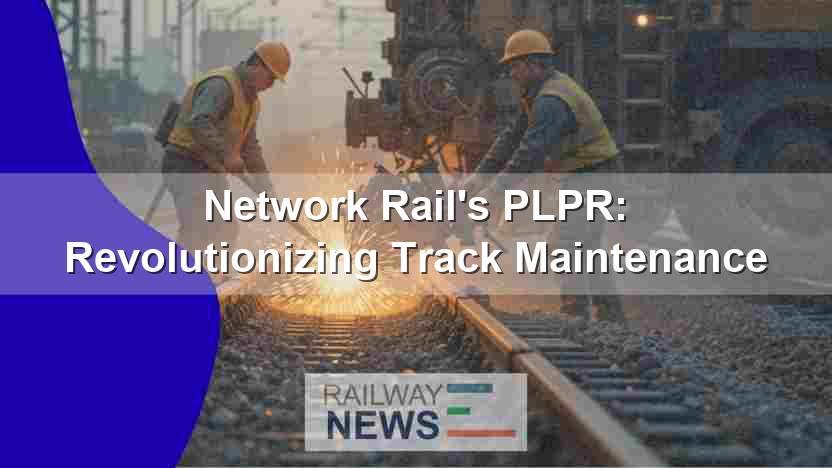
This article explores Network Rail’s (NR) strategic implementation of Plain Line Pattern Recognition (PLPR) technology to revolutionize its track maintenance operations. The widespread adoption of PLPR signifies a significant shift towards proactive, data-driven maintenance, moving away from traditional, labor-intensive inspection methods. This transition promises to enhance safety, efficiency, and overall network reliability. The core argument centers on how PLPR’s advanced capabilities for automated defect detection and precise data analysis enable NR to optimize resource allocation, minimize disruptions, and ultimately improve passenger experience. We will delve into the technological aspects of PLPR, its operational integration within NR’s existing infrastructure, the resulting improvements in maintenance efficiency, and the long-term strategic implications for the UK’s railway network.
The Technological Foundation of PLPR
PLPR technology represents a paradigm shift in track inspection. Unlike traditional manual inspections, which are time-consuming, prone to human error, and limited in coverage, PLPR employs high-resolution cameras mounted on specialized monitoring trains, such as the New Measurement Train (NMT). These cameras capture images of the track at incredibly high frequencies (up to 70,000 images per second) and resolutions (0.8mm intervals), even at speeds of 125 mph. This continuous data stream is then processed using sophisticated algorithms to identify deviations from the “plain line” pattern – indicating potential defects such as missing fasteners, excessive ballast, or ineffective rail clamps. The automated analysis of this vast amount of data significantly reduces the reliance on human visual inspection, leading to faster and more accurate defect detection.
Integrating PLPR into Network Rail’s Operations
The integration of PLPR into NR’s operational workflow is crucial for its success. The system involves several key stages: data acquisition by the monitoring trains, data transmission to processing facilities (like the two PLPR facilities in Derby), automated analysis and defect identification, and finally, relaying of this information to local track section managers for prompt remedial action. This streamlined process eliminates bottlenecks, minimizes delays, and ensures that critical defects are addressed efficiently. The expansion of PLPR coverage to an estimated 975,000 track miles during Control Period 6 (2019-2024) demonstrates NR’s commitment to making this technology a cornerstone of its maintenance strategy. The increased capacity and resilience afforded by the second Derby facility further reinforces this commitment.
Enhanced Efficiency and Safety through Proactive Maintenance
The benefits of PLPR extend beyond simply identifying defects. By enabling proactive maintenance, PLPR significantly reduces the risk of track-related incidents. Early detection of even minor defects prevents them from escalating into major problems that could lead to delays, derailments, or other safety hazards. The shift from reactive to proactive maintenance also optimizes resource allocation. Instead of responding to problems as they arise, NR can prioritize repairs based on the severity and location of detected defects, leading to more efficient use of personnel, equipment, and overall budget. This targeted approach ensures that maintenance efforts are focused where they are most needed, resulting in significant cost savings in the long run.
Strategic Implications for the Future of Rail Maintenance
The successful implementation of PLPR by Network Rail sets a precedent for the future of rail maintenance. The technology’s ability to automate critical inspection processes and provide accurate, real-time data analysis has transformative potential for rail operators worldwide. The increased efficiency, improved safety, and reduced costs associated with PLPR are compelling reasons for other rail networks to explore similar technological solutions. Further advancements in AI and machine learning could further refine the capabilities of PLPR, potentially allowing for predictive maintenance – anticipating and preventing failures before they even occur. This move towards intelligent, data-driven railway management ensures the long-term viability and resilience of rail networks, providing a safer and more efficient mode of transportation for the future.
Conclusion
Network Rail’s adoption of Plain Line Pattern Recognition (PLPR) technology marks a significant advancement in railway maintenance. The technology’s integration within NR’s operations represents a strategic shift towards data-driven, proactive maintenance. By utilizing high-resolution cameras on monitoring trains like the New Measurement Train (NMT) to capture images at 0.8mm intervals and up to 70,000 images per second, even at speeds of 125 mph, the PLPR system efficiently identifies track defects such as missing fasteners, excess ballast, and ineffective rail clamps. This automated process reduces reliance on manual inspections, improving speed and accuracy of detection. The two PLPR facilities in Derby further enhance the capacity and resilience of the system, enabling faster processing and analysis of the vast amount of data collected across the estimated 975,000 track miles covered during Control Period 6 (2019-2024). This proactive approach not only enhances safety by preventing potential failures but also optimizes resource allocation, leading to greater efficiency and cost savings. The successful implementation of PLPR by Network Rail highlights the transformative potential of advanced technologies in rail maintenance, setting a benchmark for other rail operators globally. The continued development and integration of AI and machine learning into such systems promise even greater advancements in predictive maintenance, ensuring the safe, efficient, and sustainable future of railway networks worldwide.

Railway infrastructure, rolling stock and transport technologies specialist focused on global rail industry developments, high-speed rail systems, signaling technologies and freight transportation. Covering railway investments, public transport modernization, rail operations and international mobility projects across Europe, Asia and North America.
RELATED POSTS

September 6, 2026 5:19 am
Hitachi delivered Taiwan's first N700ST high-speed train from Japan in...

September 5, 2026 4:19 pm
CPK launched formal tender talks with four consortia to design...

September 5, 2026 7:14 pm
HS2 Ltd signed renegotiated civils contracts with EKFB and Align...

September 6, 2026 4:12 am
Alstom delivered the first of 100 new G Class trams...

September 6, 2026 1:17 am
Hitachi Toshiba Supreme Consortium confirmed the first of 12 N700ST...

September 6, 2026 6:17 am
Hungary ordered a national ban on most freight trains from...