
Network Rail’s ECML Digitalisation: ETCS Advancements
Network Rail’s ECML digitalization, featuring ETCS, boosts safety, efficiency, and capacity. Discover how this transformative project is shaping the future of UK rail!
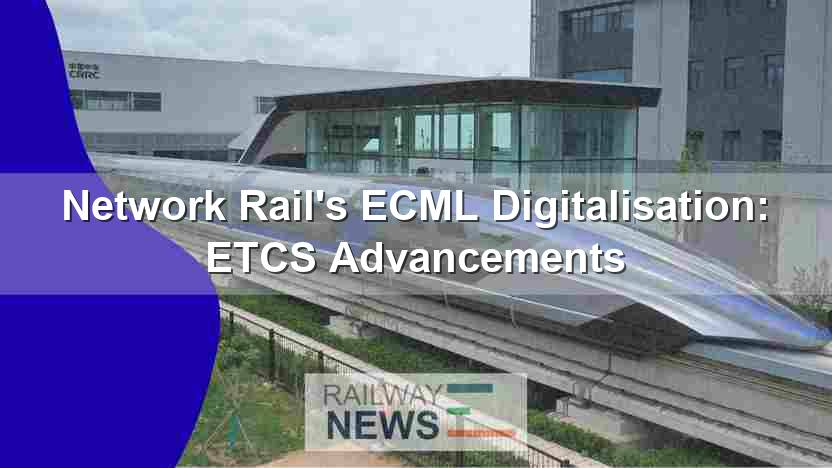
The East Coast Main Line (ECML), a vital artery of the UK’s railway network, is undergoing a transformative digitalisation project spearheaded by Network Rail. This initiative, far from a simple technological upgrade, represents a fundamental shift towards a more efficient, resilient, and safer railway system. This article explores the strategic decision behind this modernisation, examining the selection process for a technology partner, the technological aspects of the project focusing on the implementation of European Train Control System (ETCS), and the broader implications for the future of railway operations in the UK. The article will also analyze the anticipated benefits, including increased capacity, enhanced safety, and cost reduction, while highlighting the innovative procurement approach adopted by Network Rail to secure a long-term, collaborative partnership.
The Need for Modernisation
The ECML’s existing signalling system, dating back to the 1970s, has reached its operational limits. Increasing passenger demand and freight traffic necessitate a significant capacity upgrade to meet current and future needs. Additionally, the aging infrastructure presents challenges in terms of maintenance, reliability, and overall safety. The move to digitalise the line is not merely about replacing outdated technology; it’s about creating a future-proof system capable of handling exponentially increasing passenger and freight volumes, while simultaneously improving operational efficiency and safety.
Selecting the Right Partner: A Shift in Procurement Strategy
Network Rail’s approach to selecting a technology partner marks a departure from traditional procurement models. Instead of focusing solely on cost and individual deliverables, the organisation seeks a long-term collaborative relationship, emphasizing shared outcomes and mutual success. This strategic shift signifies a recognition that digital transformation requires a collaborative effort, leveraging the expertise and innovation of a committed partner throughout the entire lifecycle of the project. The selection process will likely involve rigorous evaluation of potential partners’ technical capabilities, their understanding of the specific challenges of the ECML, and their commitment to collaborative working relationships.
Implementing ETCS: Enhanced Safety and Operational Efficiency
At the heart of the ECML digitalisation lies the implementation of the European Train Control System (ETCS), an advanced in-cab signalling system. ETCS replaces traditional trackside signals with a sophisticated onboard system that continuously monitors train speed and location, ensuring adherence to safety limits and optimising train movements. This technology offers significant advantages over older systems, including enhanced safety through automated train protection, improved operational efficiency through optimised train spacing, and increased capacity by allowing for higher train speeds and frequencies. The phased rollout of ETCS, starting from the southern end of the line, is a strategic approach to minimise disruption and ensure a smooth transition to the new system.
Broader Implications and Future Outlook
The ECML digitalisation project is not an isolated initiative but a key component of the UK government’s broader digital railway strategy. The successful implementation of ETCS on the ECML will serve as a blueprint for future digitalisation projects across the national rail network. This project exemplifies a paradigm shift in railway operations, moving from a largely analogue system to a highly digitalised one, offering tangible benefits to passengers and freight operators alike. The increased capacity, enhanced safety, and improved operational efficiency will have a positive impact on the UK’s economy and the communities served by the ECML.
Conclusions
Network Rail’s ambitious digitalisation of the East Coast Main Line (ECML) signifies a pivotal moment in the evolution of the UK’s railway infrastructure. The selection of a technology partner, based on a collaborative, outcome-focused model, represents a progressive approach to large-scale infrastructure projects. The core of this transformation lies in the implementation of ETCS (European Train Control System), a modern in-cab signalling system that drastically improves safety, efficiency, and capacity. This upgrade will not only address the current limitations of the aging infrastructure but also lay the foundation for a more resilient and future-proof railway network. The phased rollout, beginning at the southern end of the ECML, demonstrates a practical approach to managing this complex project and minimizing disruption.
The benefits extend far beyond the ECML itself. The project’s success will serve as a template for future digitalisation efforts across the national railway network, demonstrating the transformative potential of modern technologies in enhancing operational efficiency, safety, and capacity. This strategy is crucial in meeting increasing passenger and freight demands while promoting sustainable and environmentally friendly railway operations. Beyond the technical advancements, the shift towards collaborative partnerships in procurement signifies a move toward a more integrated and innovative approach to infrastructure development. This paradigm shift will not only benefit the railway industry but also establish a new benchmark for large-scale infrastructure projects across various sectors.
To summarize, the ECML digitalisation project exemplifies Network Rail’s commitment to modernisation and represents a significant step towards building a truly modern, efficient, and safe railway network for the UK. The project’s success hinges not only on technological advancements but also on the strength of the collaborative partnership between Network Rail and its chosen technology provider, a testament to a forward-thinking approach to infrastructure development.

Railway infrastructure, rolling stock and transport technologies specialist focused on global rail industry developments, high-speed rail systems, signaling technologies and freight transportation. Covering railway investments, public transport modernization, rail operations and international mobility projects across Europe, Asia and North America.
RELATED POSTS
September 6, 2026 5:19 am
Hitachi delivered Taiwan's first N700ST high-speed train from Japan in...

September 5, 2026 4:19 pm
CPK launched formal tender talks with four consortia to design...

September 6, 2026 4:12 am
Alstom delivered the first of 100 new G Class trams...

September 5, 2026 7:14 pm
HS2 Ltd signed renegotiated civils contracts with EKFB and Align...
September 6, 2026 1:17 am
Hitachi Toshiba Supreme Consortium confirmed the first of 12 N700ST...
September 6, 2026 6:17 am
Hungary ordered a national ban on most freight trains from...