
Network Rail’s £1.46B Divestiture: UK Rail’s Future
Network Rail’s £1.46 billion commercial estate sale funded vital upgrades, but impacted tenants. Discover how this massive infrastructure project balanced modernization with community needs!
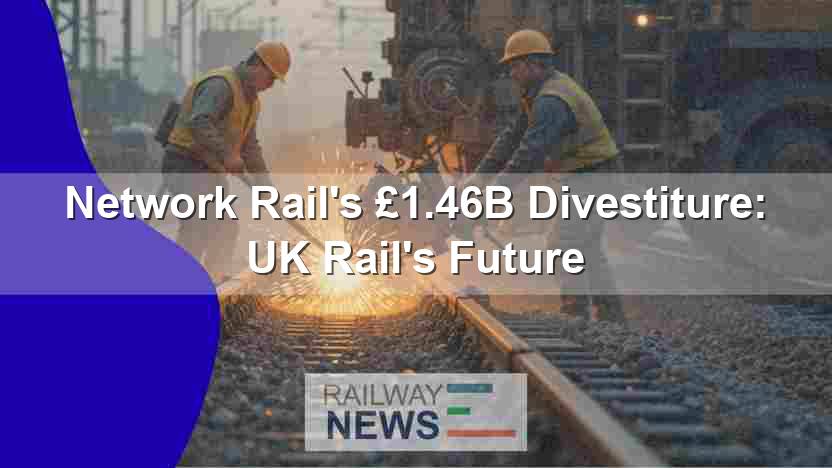
Network Rail (NR), the organization responsible for managing and maintaining Britain’s railway infrastructure, announced in 2018 a significant strategic decision: the sale of a substantial portion of its commercial property portfolio. This £1.46 billion transaction, involving approximately 5,200 properties including railway arches, to Telereal Trillium and Blackstone Property Partners, aimed to generate funds for crucial railway upgrades while simultaneously reducing the organization’s financial reliance on taxpayers. This article explores the implications of this divestment, examining its financial rationale, the perspectives of various stakeholders, and the long-term consequences for both the railway network and the businesses occupying the commercial properties. The sale, while seemingly beneficial in securing funding for vital infrastructure improvements, also raised concerns regarding the welfare of existing tenants and the potential disruption to local economies dependent on these businesses housed in Network Rail’s commercial estate.
Funding Railway Modernization
The primary motivation behind Network Rail’s decision was the urgent need for significant investment in the UK’s aging railway infrastructure. The sale of the commercial estate provided a substantial capital injection to fund modernization projects, improving passenger services, and enhancing overall network efficiency. This approach lessened the burden on the taxpayer, shifting some of the financial responsibility for improvements to the private sector. The strategy aimed to leverage the value of NR’s non-core assets to directly benefit core railway operations. This aligns with modern financial management principles, where organizations seek to optimize asset utilization and minimize reliance on public funding where possible.
Stakeholder Perspectives: A Balancing Act
The sale, however, was not without its controversies. While Network Rail emphasized the benefits for passengers and taxpayers, concerns arose regarding the impact on existing tenants operating within the sold properties. Many small businesses, including car mechanics, bakeries, and micro-breweries, relied on these railway arches for their operations. Groups like Guardians of the Arches (a tenant advocacy group) voiced apprehension about the potential for rent increases and lease disruptions under new ownership. Their concerns highlighted the need for a balanced approach, ensuring the benefits of the sale didn’t come at the expense of established local businesses and communities. The “tenants first” approach proposed by the new owners needs rigorous monitoring and enforcement to ensure its effective implementation.
Long-Term Implications for the Railway Network
The sale’s long-term impact on the railway network itself is multifaceted. While securing necessary funding for upgrades is undoubtedly positive, the loss of control over a significant asset base also presents potential drawbacks. Network Rail retained access rights for railway operations on the sold properties, but this necessitates ongoing negotiations and coordination with the new private owners. This could potentially introduce complexities and delays in future maintenance and expansion projects. Effective management of these access rights is crucial to ensuring the seamless operation of the railway network.
The Future of Railway Arch Businesses
The success of the transaction hinges significantly on the new owners’ ability to manage the transition and support the existing tenants. The long-term prosperity of the businesses operating within the railway arches is directly tied to the success of this management. While Telereal Trillium and Blackstone pledged a “tenants first” approach, only time will reveal the extent of their commitment to fostering a supportive environment for these enterprises. Transparency in rent and lease agreements, alongside open communication with tenants, will be essential in ensuring the continued economic viability of these businesses and the vitality of local communities.
Conclusions
Network Rail’s divestment of its commercial estate for £1.46 billion represents a significant strategic shift, aimed at modernizing the UK’s railway infrastructure while mitigating the financial burden on taxpayers. The sale provided vital funding for crucial upgrades, but it also sparked valid concerns regarding existing tenants and the potential disruption to local economies. The success of this initiative depends heavily on the responsible management of the sold properties by the new owners, Telereal Trillium and Blackstone Property Partners. Their commitment to a “tenants first” approach, coupled with transparent communication and fair lease agreements, will be key in determining whether the sale benefits all stakeholders – passengers, taxpayers, and businesses housed within the railway arches. A failure to effectively manage the transition and uphold the commitments made could lead to negative consequences for local economies and create potential long-term challenges for the seamless operation of the railway network itself. Effective ongoing monitoring of the situation, along with proactive engagement by all parties, is crucial to ensuring a positive outcome for all involved. This case highlights the complex interplay between financial prudence, infrastructure development, and the socio-economic well-being of communities. The long-term success of this endeavor will serve as a crucial case study in balancing the demands of large-scale infrastructure projects with the needs of the local businesses and the people who depend on them.

Railway infrastructure, rolling stock and transport technologies specialist focused on global rail industry developments, high-speed rail systems, signaling technologies and freight transportation. Covering railway investments, public transport modernization, rail operations and international mobility projects across Europe, Asia and North America.
RELATED POSTS
September 6, 2026 5:19 am
Hitachi delivered Taiwan's first N700ST high-speed train from Japan in...

September 5, 2026 4:19 pm
CPK launched formal tender talks with four consortia to design...

September 5, 2026 7:14 pm
HS2 Ltd signed renegotiated civils contracts with EKFB and Align...
September 6, 2026 4:12 am
Alstom delivered the first of 100 new G Class trams...
September 6, 2026 1:17 am
Hitachi Toshiba Supreme Consortium confirmed the first of 12 N700ST...
September 6, 2026 8:17 am
DB InfraGO reopened the Nuremberg-Regensburg line in Bavaria on 31...