
Network Rail CP6: £43B Investment & Challenges
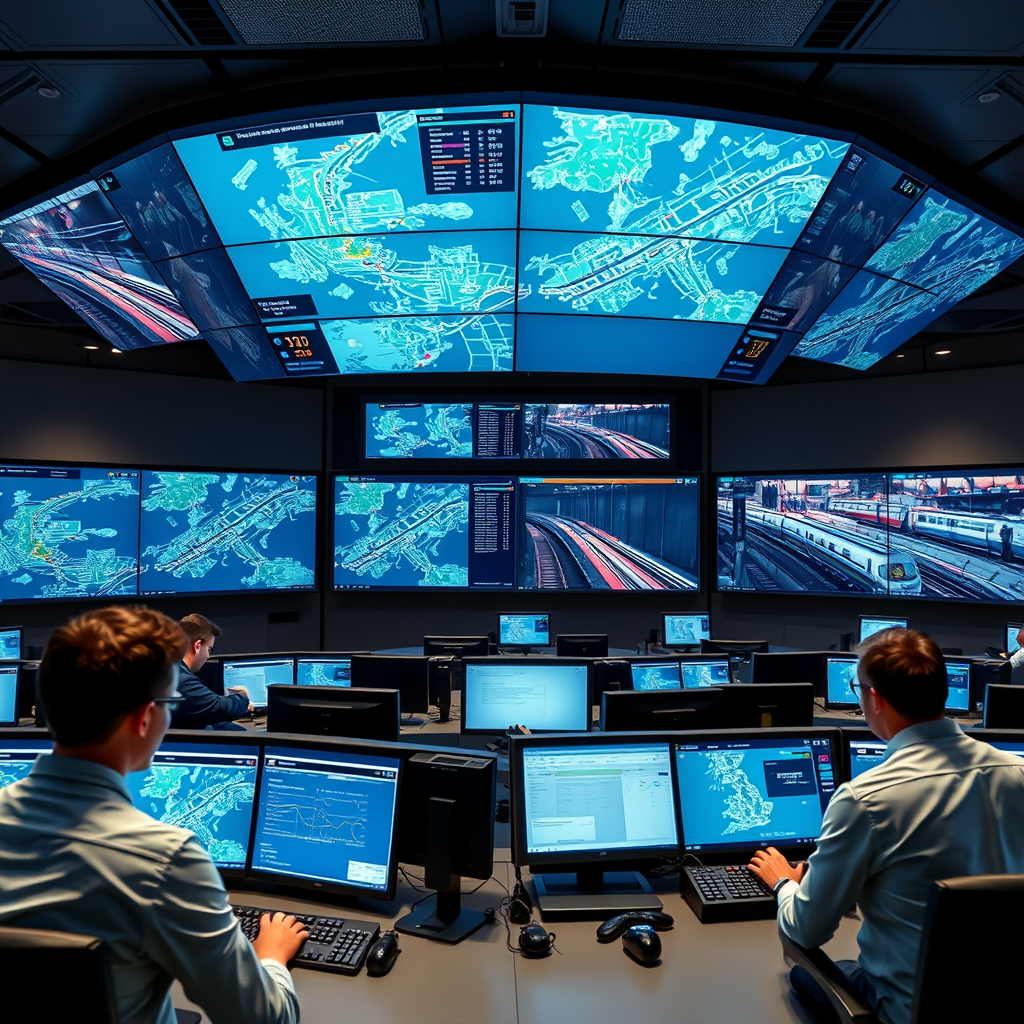
Network Rail’s Control Period 6: A Review of Investment and Challenges
This article analyzes Network Rail’s performance during Control Period 6 (CP6), a five-year funding cycle concluding in March 2024. The period was marked by significant investment in rail infrastructure upgrades and renewals, alongside unprecedented challenges stemming from the COVID-19 pandemic and the increasing urgency of addressing climate change. We will explore the financial aspects of CP6, examining the allocation of funds for renewals and enhancements, as well as the cost-saving measures implemented. Further, we delve into the operational changes undertaken, the major projects completed, and the significant challenges faced, including the transition towards a more sustainable and digitally advanced railway network. Finally, we will look ahead to Control Period 7 (CP7) and the anticipated complexities arising from the planned integration of Network Rail into Great British Railways (GBR).
Financial Performance and Investment
Network Rail reported a total investment of £18.7 billion in renewals and £11.6 billion in enhancements during CP6. This investment was supplemented by £8.6 billion from the UK Department for Transport for enhancements and a further £800 million from Transport Scotland. The organization also exceeded its cost-saving targets set by the Office of Rail and Road (ORR), achieving savings of £4 billion, £500 million more than projected. However, these savings have drawn criticism, particularly the reduction of approximately 500 roles in the Track Renewal Services arm, despite the ORR’s recommendation for increased investment of £600 million in that area. This highlights the tension between achieving budgetary targets and ensuring adequate resourcing for vital maintenance and renewal projects.
Operational Changes and Technological Advancements
CP6 witnessed significant operational changes within Network Rail. A notable achievement was a 99% reduction in the time spent on manual lookouts on live railway lines, a testament to increased automation and improved safety protocols. The period also saw the initiation of several crucial technological upgrades. The East Coast Digital Programme, costing £1.4 billion, aims to install digital signaling on the East Coast Main Line, enhancing efficiency and capacity. Furthermore, the £1.5 billion electrification project between London and Derby and the £700 million resignalling project in the West Midlands are major advancements towards a modernized railway network. These initiatives demonstrate a commitment to improving operational efficiency, safety, and capacity.
Challenges and Sustainability
Network Rail faced substantial challenges during CP6. The COVID-19 pandemic significantly impacted passenger numbers and operations, necessitating a swift adaptation to maintain essential freight and worker transport. Climate change emerged as another significant concern, prompting a focus on environmentally sustainable practices. The adoption of electric locomotives and a continued emphasis on reducing carbon emissions form key aspects of the organization’s sustainability strategy. These challenges underscore the complex interplay between operational resilience, environmental responsibility, and the need for continuous adaptation in the face of unforeseen circumstances.
Transition to CP7 and the Future of Network Rail
The transition to CP7 presents both opportunities and challenges. The approved £43 billion plan for CP7, while ambitious, faces potential complications due to the ongoing restructuring of the UK railway industry. The proposed integration of Network Rail into Great British Railways (GBR) introduces uncertainty, particularly concerning the timescale for its implementation. The delay in parliamentary consideration of the Rail Reform Bill, essential for establishing GBR, creates concerns about potential disruption and coordination difficulties. The success of CP7 will hinge on effective collaboration between Network Rail, the Department for Transport, and other stakeholders to navigate this transition smoothly while maintaining the momentum of investment and modernization.
Conclusion
Network Rail’s CP6 demonstrated significant investment in upgrading and modernizing the UK rail network, despite facing substantial challenges including the COVID-19 pandemic and the escalating urgency of climate change. The £18.7 billion spent on renewals and £11.6 billion on enhancements, alongside operational efficiencies, showcase a commitment to infrastructure improvement. However, concerns remain regarding the cost-cutting measures and their potential impact on long-term maintenance and operational capacity. The successful implementation of ambitious technological advancements, such as digital signaling and electrification projects, is vital for improving efficiency and sustainability. Looking ahead to CP7, the transition to GBR presents a significant organizational hurdle. The success of this transition and the overall achievement of CP7’s objectives will depend on effective collaboration, transparent communication, and a clear strategic vision for the future of the UK’s railway system. The continued prioritization of sustainability initiatives and addressing the challenges posed by climate change are crucial for ensuring a resilient and environmentally responsible railway for the future. The ability to balance financial constraints with the need for continued investment in infrastructure and workforce development will be key to the long-term success of the UK’s railway network. The effectiveness of the transition to GBR will be a significant factor in determining the overall success of the UK’s railway modernization efforts in the coming years.
RELATED POSTS

March 17, 2025 9:33 pm
This article explores the significant railway infrastructure project currently underway...

October 17, 2021 2:20 pm
This article examines Alstom’s significant contributions to Algeria’s expanding urban...
July 23, 2015 9:40 pm
IT will slice across Sydney’s suburban landscape for 4km and...
February 14, 2025 3:17 am
An in-depth analysis of the Auckland Light Rail cancellation. We...
August 26, 2018 10:03 am
Malaysia's halted East Coast Rail Link (ECRL) project highlights crucial...
July 16, 2025 11:33 pm
Ontario awards Timmins-Porcupine station contract to EllisDon, kickstarting Northlander train...