
MTA’s LIRR Signal Upgrade: East Side Access Enabled
Harold Interlocking’s modernized signal system boosts LIRR reliability and paves the way for East Side Access. Discover how this game-changing upgrade improves efficiency and capacity!
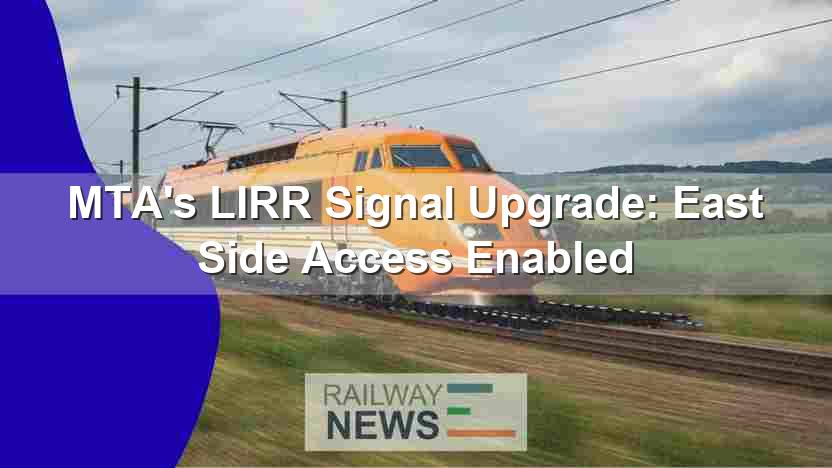
This article explores the recent completion of a significant signal system upgrade at Harold Interlocking in Sunnyside, Queens, by the Metropolitan Transportation Authority (MTA). This project, a crucial component of the larger East Side Access project, represents a substantial investment in modernizing the Long Island Rail Road (LIRR) infrastructure and significantly improving commuter rail service in the New York metropolitan area. The upgrade not only enhances operational reliability and efficiency but also paves the way for the full implementation of East Side Access, providing a much-needed alternative route into and out of Manhattan. The modernization involved replacing an outdated centralized system with a distributed, microprocessor-based design, thereby increasing resilience and reducing the impact of potential failures. This article will delve into the specifics of the upgrade, its benefits, and its wider implications for the LIRR and the regional rail network.
Harold Interlocking Modernization: A Distributed Approach
The previous signal system at Harold Interlocking relied on a single location to manage train routing across all switches and tracks. This centralized approach, while functional for a time, created a single point of failure. Any malfunction in the central system could paralyze the entire interlocking, resulting in significant delays and disruptions to LIRR service. The MTA’s upgrade addressed this vulnerability by implementing a distributed, microprocessor-based system. This modern architecture divides the control functions across multiple locations, ensuring that a failure in one area will not cascade and affect the entire system. This enhanced resilience is a critical improvement for the reliability and safety of LIRR operations.
Improved Connectivity and Capacity Enhancement
The upgrade also included strategic realignment of infrastructure. LIRR Main Line 4 was repositioned to optimize connectivity and improve traffic flow. This not only enhances efficiency but also contributes to the increased capacity of the interlocking, enabling the handling of a greater volume of trains. This capacity increase is vital in accommodating the anticipated growth in ridership following the completion of the East Side Access project. The project also involved the replacement of major railroad infrastructure for both Amtrak and LIRR, underlining a broader commitment to infrastructure modernization across the region. This commitment is critical in maintaining a reliable and efficient rail network, which plays a crucial role in the economic and social life of New York.
Enabling East Side Access: A Transformative Project
The Harold Interlocking upgrade is intrinsically linked to the completion of the East Side Access project. This ambitious undertaking will provide a much-needed alternative route for LIRR commuters into and out of Manhattan via Grand Central Terminal. This new access point will significantly alleviate congestion on existing lines and offer a more convenient commuting experience for thousands of passengers daily. Additionally, the new route will free up capacity on existing lines, which is critical for meeting future demand. The improved infrastructure allows for a more resilient and robust system to support this increased passenger volume.
Financial Investment and Long-Term Benefits
The Harold Interlocking upgrade represents a significant financial commitment. The approximately $1.5 billion investment underscores the MTA’s dedication to modernizing the region’s aging rail infrastructure. While substantial, this investment is justified by the long-term benefits. The increased efficiency, enhanced reliability, and vastly improved capacity will not only benefit current commuters but also help the LIRR accommodate future growth, contributing to the economic vitality of the region. The reduced downtime due to signal failures also translates to significant cost savings and improved passenger satisfaction.
Conclusion
The completion of the signal system upgrade at Harold Interlocking marks a crucial milestone in the modernization of the LIRR and the wider New York metropolitan rail network. The shift from a centralized to a distributed, microprocessor-based signal system significantly enhances operational resilience and reduces the impact of potential failures. The strategic repositioning of LIRR Main Line 4 further optimizes connectivity and increases capacity. Crucially, this upgrade directly supports the launch of East Side Access, providing a transformative new commuter route into and out of Manhattan, and offering relief to the existing rail infrastructure. The substantial investment made by the MTA underscores the long-term benefits of modernizing critical infrastructure and the commitment to providing reliable and efficient rail service to the millions of commuters who rely on the LIRR daily. The success of this project serves as a model for future infrastructure improvements, emphasizing the importance of proactive investment and forward-thinking design in ensuring a resilient and efficient transportation system.

Railway infrastructure, rolling stock and transport technologies specialist focused on global rail industry developments, high-speed rail systems, signaling technologies and freight transportation. Covering railway investments, public transport modernization, rail operations and international mobility projects across Europe, Asia and North America.
RELATED POSTS
September 6, 2026 5:19 am
Hitachi delivered Taiwan's first N700ST high-speed train from Japan in...
September 6, 2026 6:17 am
Hungary ordered a national ban on most freight trains from...
September 6, 2026 1:17 am
Hitachi Toshiba Supreme Consortium confirmed the first of 12 N700ST...

September 5, 2026 4:19 pm
CPK launched formal tender talks with four consortia to design...
September 7, 2026 8:16 am
Midea, Gree and TCL shipped air conditioners via China Railway...

September 6, 2026 4:12 am
Alstom delivered the first of 100 new G Class trams...