
MTA Climate Resilience: NYC’s Rail Infrastructure Roadmap Update
The MTA’s updated Climate Resilience Roadmap details progress in railway infrastructure resilience, spurred by climate change impacts. Enhanced collaboration is key for flood prevention.

“`html
Introduction
The New York Metropolitan Transportation Authority (MTA) has released an updated Climate Resilience Roadmap, detailing the agency’s advancements in addressing climate goals over the past year. This update is timed with the 13th anniversary of Hurricane Sandy in 2012, an event that spurred the MTA to initiate weather resiliency projects, which led to the development of the climate roadmap.
Background and Roadmap Origins
The original roadmap established the MTA’s approach to minimizing the impact of severe weather events and climate change on its infrastructure. The update reinforces the need for enhanced collaboration between the MTA and New York City’s departments of transportation and environmental protection.
Progress in Flood Prevention
The MTA has made strides in flood prevention within the New York City Transit subway system. These efforts include repairing potential leaks in tunnel walls, cleaning catch basins, and conducting pre-storm inspections.
Last June 2025, we published an article about Renfe’s cutting-edge Aranjuez maintenance hub. Click here to read – Future of Rail: Renfe’s Railway Technology Hub, Aranjuez: Essential Guide
Conclusion
The MTA’s updated Climate Resilience Roadmap reflects the agency’s ongoing efforts to enhance infrastructure resilience. The roadmap includes an emphasis on collaboration and specific actions taken to mitigate climate-related risks.
Company Summary
New York Metropolitan Transportation Authority (MTA): The MTA is responsible for public transportation in the New York City area, including subways, buses, and railroads. Its Climate Resilience Roadmap outlines strategies to address the impacts of climate change on its infrastructure.
“`
RELATED POSTS

April 12, 2019 3:57 am
Egypt's National Railways modernizes with six new Talgo high-speed trainsets,...
July 17, 2021 9:31 am
The Riga Airport Rail Baltica Station: A Multimodal Transportation Hub...
December 22, 2019 1:53 am
This article examines the Victorian government’s significant investment in level...
December 8, 2013 11:48 am
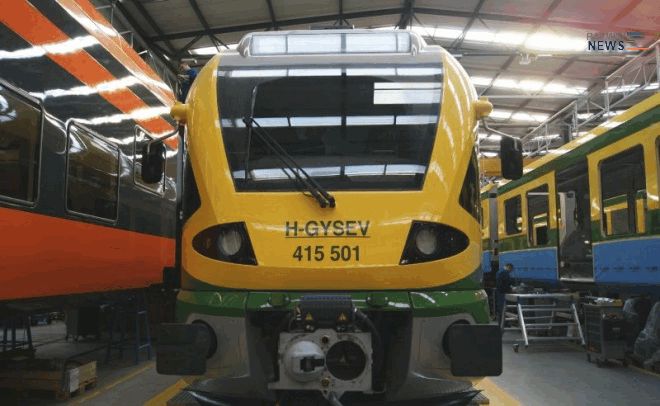
The first FLIRT train for Hungarian-Austrian railway operator GYSEV Zrt....
November 30, 2018 12:47 am
HS1's £7.6 million upgrade, powered by Telent, modernizes four key...
January 21, 2026 9:36 am
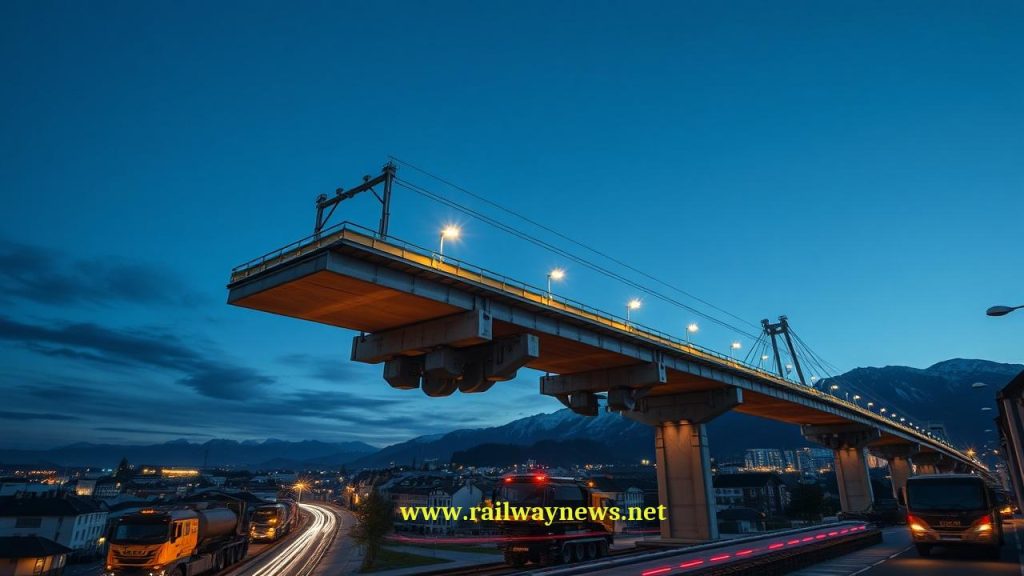
ÖBB expertly relocated the 1,400-ton Rauchmühle railway bridge in Innsbruck...