
Montreal Concerto: Modern Fare Collection & Rail Tech Advancements
Montreal’s transit modernizes with new fare system. ARTM partners with Masabi for cloud-based solution.
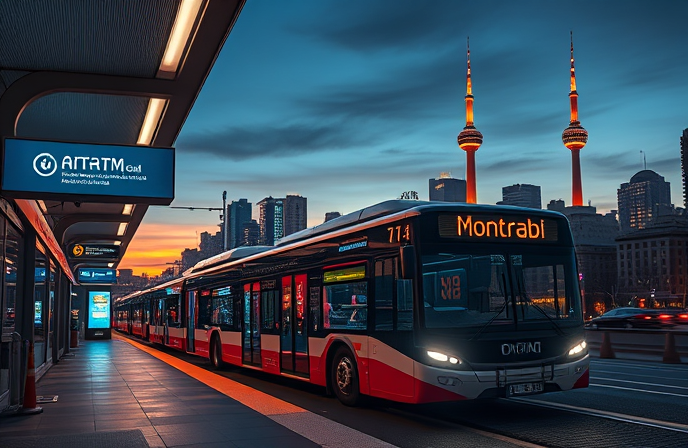
Montreal Gears Up for Next-Generation Fare Collection with Masabi Partnership
The Autorité régionale de transport métropolitain (ARTM) in Montreal is embarking on a significant modernization of its public transit infrastructure. On July 17, 2025, the ARTM announced a partnership with Masabi, a UK-based technology firm, to implement a new fare collection system across the Montreal metropolitan area. This initiative, a key component of the larger Concerto project, aims to revolutionize the user experience by leveraging cloud-native technology. The “Who” is ARTM and Masabi. The “What” is a new fare collection system. The “When” is July 17, 2025. The “Where” is Montreal. The “Why” is to modernize the transit experience, and “How” is through Masabi’s Justride platform. This article will delve into the specifics of this project, exploring its technical innovations, implementation strategies, and the broader impact on Montreal’s public transit landscape.
Modernizing Montreal’s Transit System with Cloud-Native Technology
The cornerstone of this modernization is Masabi’s Justride platform, a Software-as-a-Service (SaaS) solution designed to provide a flexible and scalable fare collection system. The Justride platform supports a variety of payment methods, including contactless bank cards, smartphones, smart cards, and mobile tickets. This versatility promises to streamline the passenger experience and reduce operational costs. This approach contrasts with the current, legacy OPUS system, which is nearing the end of its update capacity. The Concerto project will replace the aging system with the cloud-based Justride platform, offering a more adaptable and future-proof solution for Montreal’s transit network. The integration with other mobility services is a key element for enhancing the transit experience, allowing passengers to plan, pay for, and access various transportation modes seamlessly.
Phased Implementation and Technological Advancements
The Concerto project is being implemented in phases. The initial phase, which saw the introduction of mobile OPUS card reloading via the Chrono app in 2024, has already achieved significant success, with nearly half of all OPUS card purchases now made through this feature. The ARTM is also in the early stages of testing virtual fares on smartphones. The upcoming phase will include the introduction of credit and debit card payments, enabling direct payment using bank cards and mobile devices, which significantly improves convenience. This phased approach allows the ARTM to gradually integrate new technologies, ensuring a smooth transition and minimizing disruption to passenger services. The project encompasses over 12,000 pieces of equipment across five territories, involving key partners such as the Société de transport de Montréal (STM), the Réseau de transport de Longueuil (RTL), the Société de transport de Laval (STL), exo, and the City of Montreal.
Cost Efficiency and Strategic Planning
The Concerto project is progressing within its approved budget of C$146 million ($106.47 million), which includes contingency funds. This cost-effectiveness is a result of strategic planning and meticulous execution. The reuse of existing equipment, a rigorous negotiation process that saved $95 million, and the selection of a cost-effective, cloud-based solution contribute to the project’s financial viability. This approach also ensures that the new fare collection system can adapt and expand with new features without requiring a complete overhaul. The ARTM’s commitment to efficiency and forward-thinking solutions underscores its dedication to providing affordable and accessible public transit for all users.
Collaboration and Industry Expertise
Masabi is collaborating with WSP, a global engineering consultancy, to deliver the integrated fare system to the Greater Montreal area. This partnership leverages the expertise of both organizations, ensuring a successful implementation. WSP brings extensive experience in infrastructure projects, while Masabi provides cutting-edge technology. This collaborative effort is critical to integrating the new fare collection system with the existing transit infrastructure. The combination of Masabi’s technical prowess and WSP’s project management capabilities contributes to the success of the Concerto project.
Conclusion
The ARTM’s partnership with Masabi and the implementation of the Concerto project represent a significant step forward in modernizing Montreal’s public transit system. The adoption of cloud-native technology and flexible payment options will streamline the user experience and create a more efficient and attractive public transit network. This project, which is being delivered on time and within budget, demonstrates the ARTM’s commitment to providing value and convenience to its riders. The use of the Justride platform, with its ability to integrate with other mobility services, positions Montreal’s transit system at the forefront of transit innovation. The shift away from legacy systems to more adaptable SaaS models has implications for the industry, encouraging other transit agencies to embrace similar technologies to improve operations and customer satisfaction. The future of Montreal’s public transit looks promising, with ongoing enhancements and future expansions that prioritize the user experience and operational efficiency.
Company Summary
Masabi: A UK-based technology company, specializes in fare collection systems for public transit. Their cloud-native Justride platform is designed to facilitate digital ticketing, mobile payments, and comprehensive fare management solutions for various transit agencies globally. Masabi’s software-as-a-service (SaaS) approach enables transit agencies to modernize their fare systems rapidly and efficiently.
RELATED POSTS

February 13, 2026 2:14 pm
Q3 2025 data confirms UK rail demand shifted permanently, with...

June 12, 2007 6:45 pm
The Norwegian city of Oslo will soon start using specially...

October 15, 2025 3:54 am
**Cathcart Rail** appoints Scott Driggers as its new CEO, bringing...

September 22, 2025 12:55 pm
Alstom's hydrogen-powered shunting locomotive, a key decarbonization project, completes...

October 20, 2025 4:54 pm
DB ESG secures contract for independent **quality assurance** on TfL's...

October 10, 2012 1:47 pm
Amtrak has completed repairs and improvements along 190 miles of...